
How to Automatically Remove Hardcoded Text from Your Traditional Chinese Videos?
Effortlessly eliminate hardcoded subtitles and text from Traditional Chinese videos with Weydub using these 3 steps


-
01Upload/PasteUpload files (batch supported) or paste Traditional Chinese video URLs.
-
02SettingsSelect removal quality level. Optional: Add translation, etc.
-
03DownloadReview the cleaned video for leftover text and changes to the background, then download the result.
Hardcoded Subtitles in Traditional Chinese Videos Limit Global Reach.
Traditional Chinese subtitles can contain tightly packed strokes, thick outlines, and multiple caption lines. Include the full visible text area and check for residual strokes around the selection edges. Keep adjacent signs or graphics outside the region when they should remain. Compare repaired frames over motion and detailed scenery; stroke count alone does not predict the quality of background reconstruction.
Removing Hardcoded Texts from Traditional Chinese Videos is Difficult, but We Did It.
Hong Kong/Taiwan's rich, unique content (film, TV, variety) is hindered globally by hardcoded Traditional Chinese subs. On YouTube/TikTok, these impede understanding for non-Chinese speakers (incl. Simplified users) and block platform translation, affecting distribution. Professional Traditional Chinese hard subtitle removal tools are needed. Removing native subs and adding target language ones improves UX, accessibility, video SEO, and global reach.
Why Use Weydub for Erasing Traditional Chinese Video Subtitles & Text?
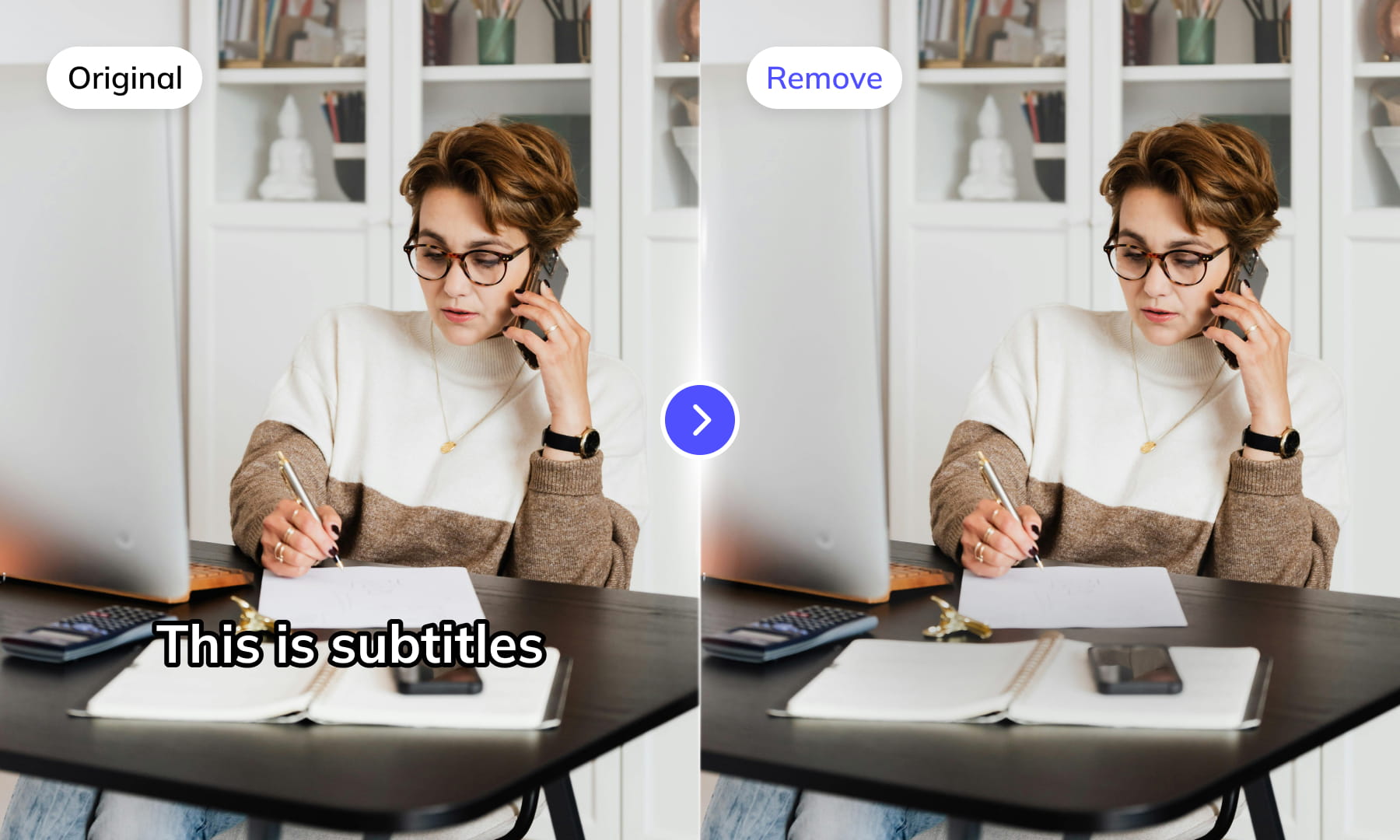
Use Weydub to remove selected subtitles and on-screen text from video. Review the repaired background and retained graphics before downloading the result for editing or localization.
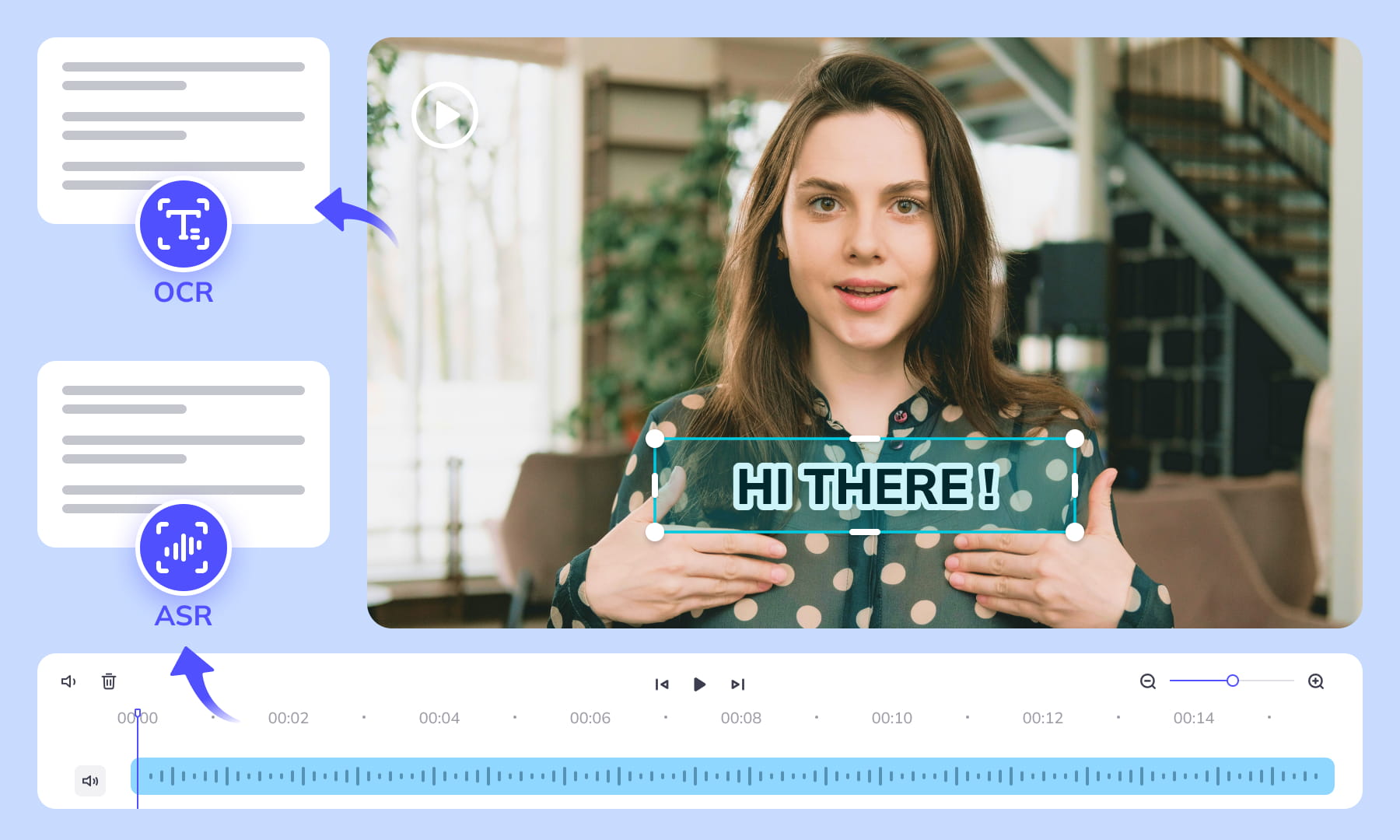
AI-Assisted Text Selection
Use AI-assisted text detection to prepare the cleanup. Review the selected regions and keep any text or graphics that should remain. Inspect the repaired video before moving it into the next workflow.
Background Repair and Review
AI repairs the area behind removed text. Results depend on the background, motion, and text placement. Compare repaired frames with the source, especially around faces, fine textures, and scene changes.
High-Volume Batch Capabilities & API Integration
Organize subtitle and text removal across multiple video files with batch workflows. Use the API for automated submissions, and check the settings and results for each source video.
Intelligent Multi-Language Support
Our system automatically identifies and removes text or subtitles in many languages. This is essential for repurposing content internationally and ensuring your AI video tools cater to a global audience, especially when working across multiple platforms.
Review Pricing Before Submission
Check the current Pricing page and the estimate shown for your task. Choose the processing options that fit the footage, and review the displayed cost before confirming.
Browser-Based Convenience
No downloads or installations necessary! Conveniently remove text from your Traditional Chinese videos online through our intuitive subtitle removal interface. Compatible across platforms (Windows, Mac) and mobile devices (iPhone, Android).
One-Stop AI Localization Workflow Effortlessly Globalize Your Videos
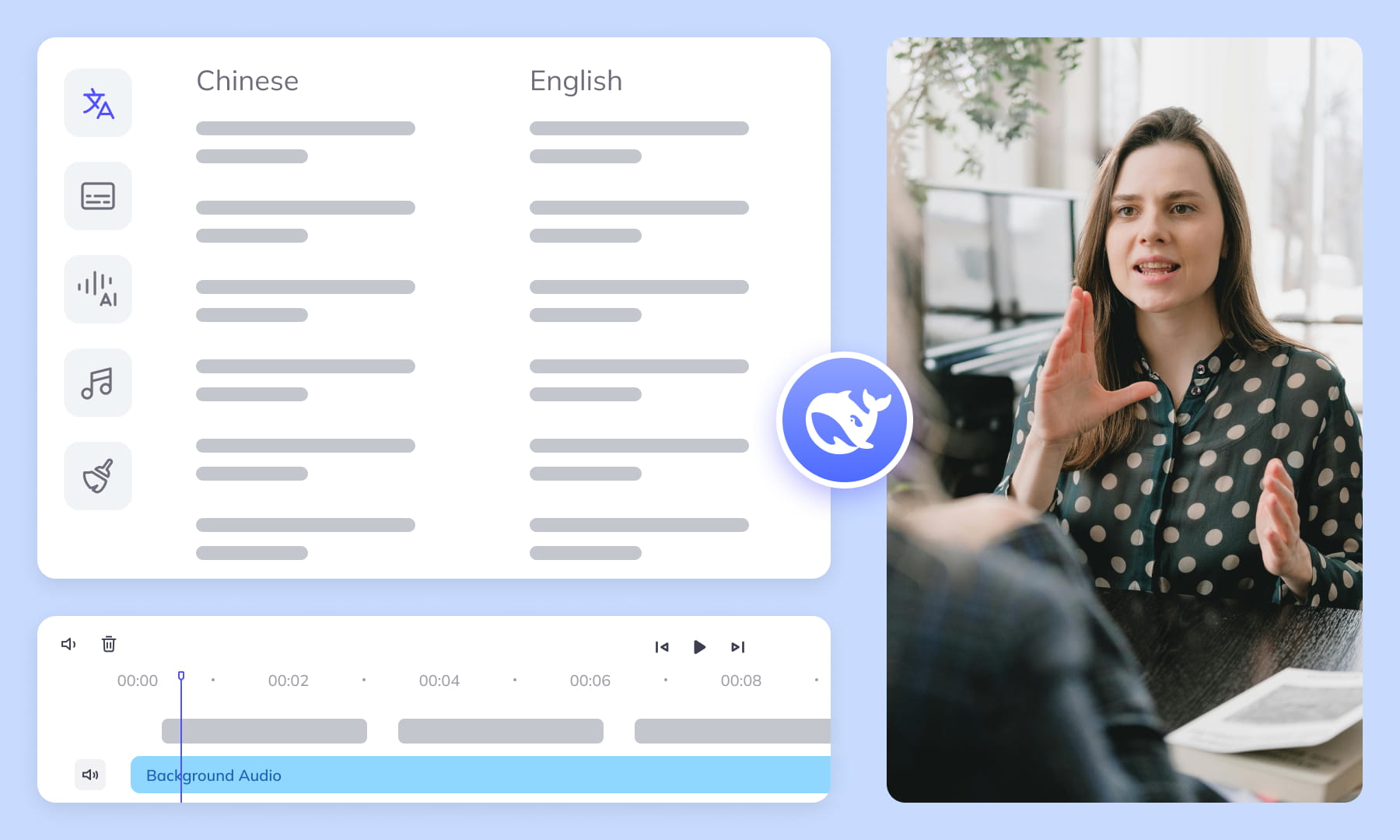
Weydub offers a revolutionary, all-in-one platform where every step, from subtitle generation to final rendering, seamlessly integrates.

Project Management
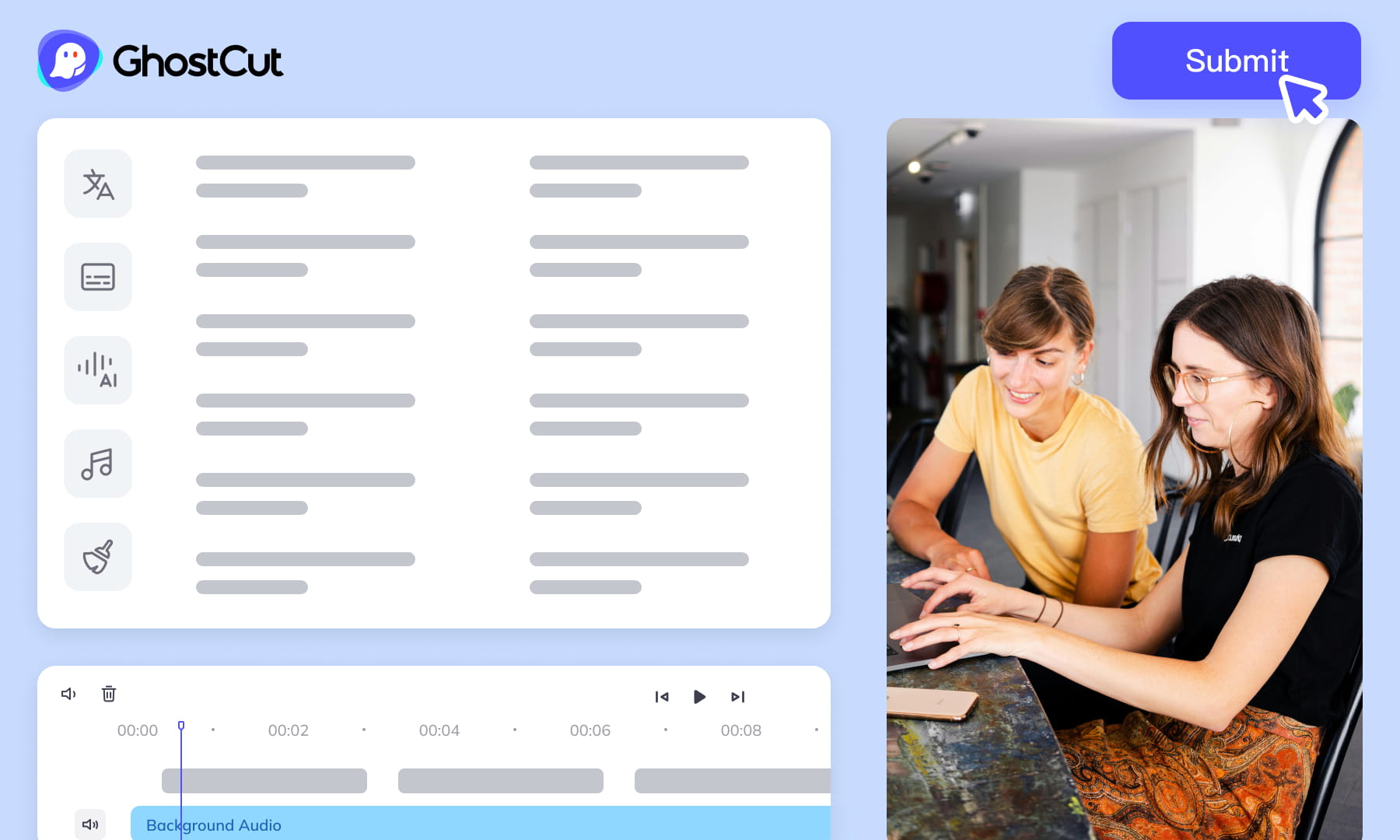
Organize projects and source assets for batch workflows. Review task settings and outputs for each video before delivery.


Export & Download
Review subtitle timing and any dubbed audio before delivery. Check the video and project export options available for the selected workflow.
Remove More Text from traditional chinese Videos for Easier Reuse


Frequently Asked Questions
Where can I check pricing and available trial credits?
Check the current Pricing page and your account balance before submitting a task. Available trial credits, paid options, and the cost shown for your selected workflow should guide your decision. Review the task settings and displayed estimate before confirming; this guide does not promise a fixed free allowance or a specific price.How best to remove subtitles/text from Traditional Chinese videos?
Upload the video and identify visible text regions for removal. Include fixed captions, corner labels, and outlined Traditional Chinese characters in the selection. Weydub repairs the exposed background, but moving shots, patterned surfaces, and changing lighting require careful inspection of repaired frames before downloading the result for reuse.How does Weydub's AI remove subtitles from Traditional Chinese videos?
The workflow analyzes visible lettering and reconstructs the area behind it after the text region is chosen or detected in the available workflow. Traditional Chinese captions may contain dense characters, full-width punctuation, and mixed Latin names. Check outlines, shadows, and nearby graphics for clean removal without damage to faces or scene details.Will subtitle removal affect video quality or cause blur?
Results depend on text size, motion, contrast, and the background beneath the lettering. Large Traditional Chinese captions over a plain wall differ from outlined text over hair, water, or a busy street. Review repaired frames throughout the clip for smears, repeated textures, or softened edges before treating the output as ready for delivery.Do I need professional video editing experience?
Start by choosing footage and identifying the text you want to remove. You do not need a full editing project, but you should compare the repaired frames with the original video before publishing. Moving backgrounds, overlapping graphics, and text near faces may require closer review and adjustments to the selected region.Is manual selection needed for text removal?
Use the current workflow controls to specify the text region when automatic detection does not match the scene. Select the complete Traditional Chinese caption, including its outline, shadow, punctuation, and adjacent Latin brand name. For scrolling text, check the full path across frames instead of selecting only its starting position.What types of text or elements can Weydub remove?
The removal workflow is intended for visible hardcoded subtitles and other on-screen text, including titles, logos, watermarks, and scrolling notices. Traditional Chinese videos may combine a caption, speaker label, and channel mark. Treat each layer as a separate region and inspect overlaps after background repair, especially when lettering crosses moving objects.What other languages/platforms are supported for removal?
Check the current upload requirements for compatible video files. Removal works on visible lettering rather than a selected speech language. With Traditional Chinese, dense strokes, full-width punctuation, and mixed scripts can affect region boundaries and review. For videos obtained from a platform, process the video file in Weydub; this workflow does not edit the platform account itself.Does Weydub support batch processing videos?
Batch submission can help when several videos contain recurring Traditional Chinese overlays, but each result still needs review. Compare repaired frames across clips for consistent treatment of fixed captions, scrolling text, logos, and complex backgrounds. Confirm that every intended text layer was removed before downloading the processed files for reuse.Can I use Weydub on mobile devices for video text removal?
You can open the web workflow where your device supports the required upload and review controls. For precise region selection, scrolling text, and checking repaired backgrounds, a larger desktop view is usually more practical. Verify the current browser workflow and inspect the downloaded output rather than relying only on a small preview.Can I combine subtitle removal with translation or other tools?
Treat removal and translation as separate checks in the workflow. Removing hardcoded Traditional Chinese pixels does not translate narration or create an equivalent subtitle track. If you later add localized text, review character forms, Taiwan or Hong Kong terminology, full-width punctuation, and line breaks so names remain intact and new overlays fit the repaired scene.What should I check before uploading private or licensed footage?
Use footage you are entitled to process and check the current privacy policy and service terms before uploading sensitive material. For client projects, confirm that the agreed handling of faces, voices, personal details, and licensed media permits this workflow. Ask support about any specific retention or processing requirement rather than assuming a promise from this guide.
Common Removal Review Scenarios
Review the repaired regions in context before you reuse or localize the video.