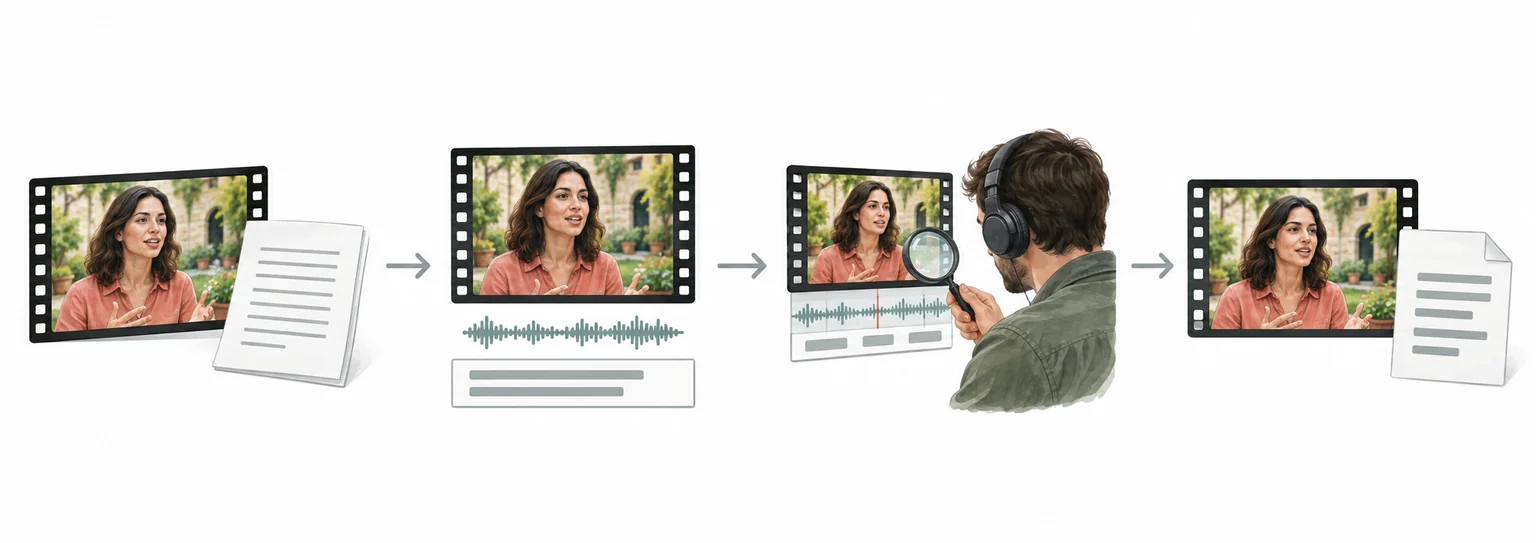
tutorial video translation and dubbing workflow
Tutorials to Korean: translate tutorial videos with subtitle review
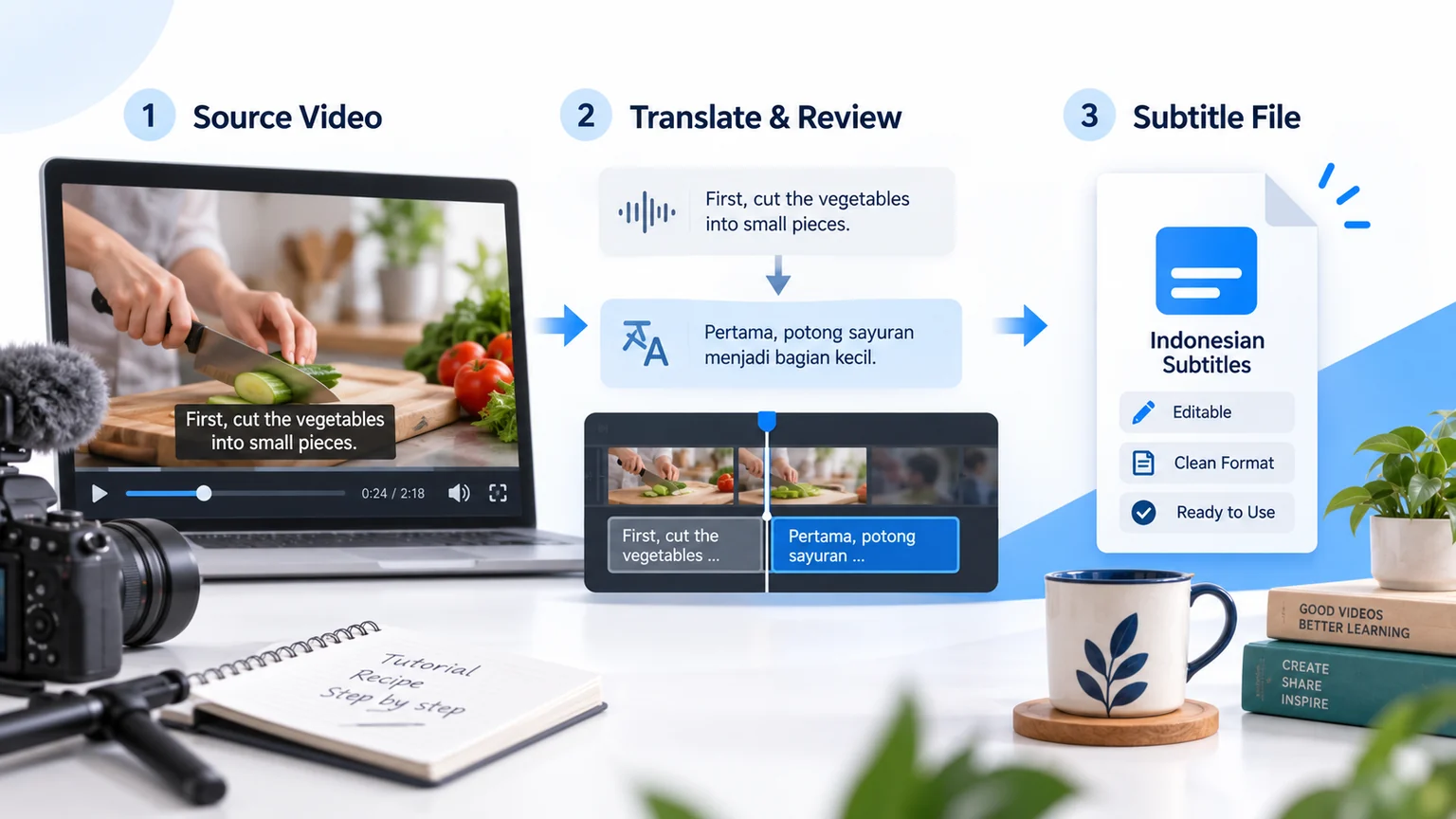
For tutorial videos, organize speech and on-screen text, review the translation and subtitle timing, then prepare Korean dubbing or subtitle files for the required delivery format.
- Upload the video and confirm speech, on-screen text, and delivery format
- Translate and review subtitles while preserving timing, terminology, and speakers
- Preview the result, check subtitles and audio, then export or continue in batch
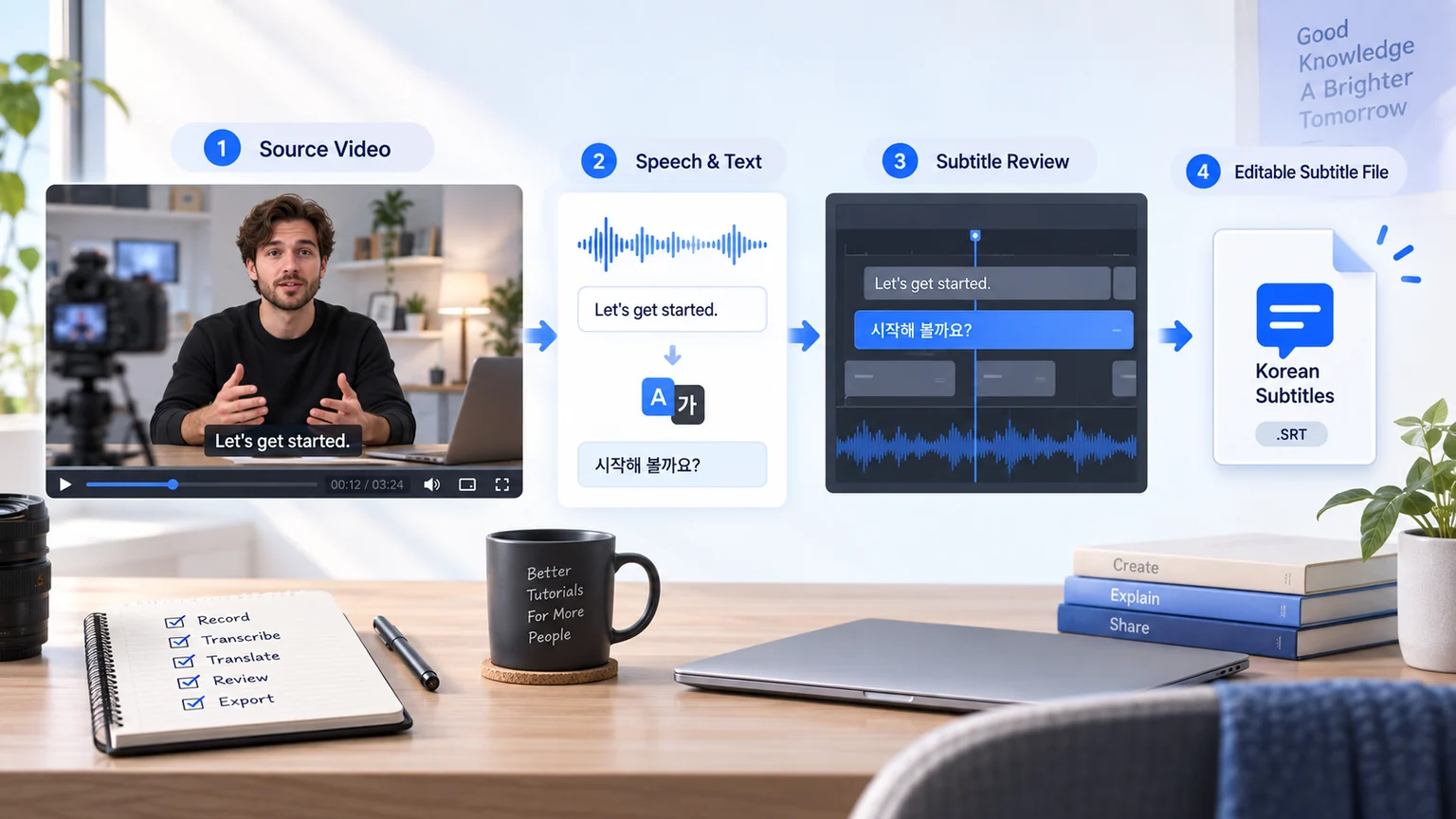
How to Translate Tutorials Videos to Korean?
Translate Tutorials Videos to Korean in 3 Easy Steps
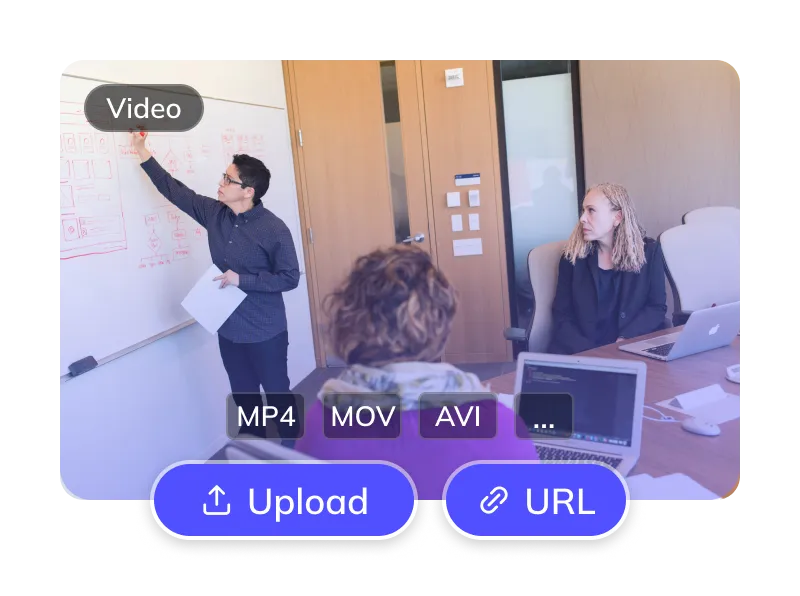
Upload Your Tutorials Video
- Upload files (MP4, MOV) or paste links from YouTube, TikTok, etc.
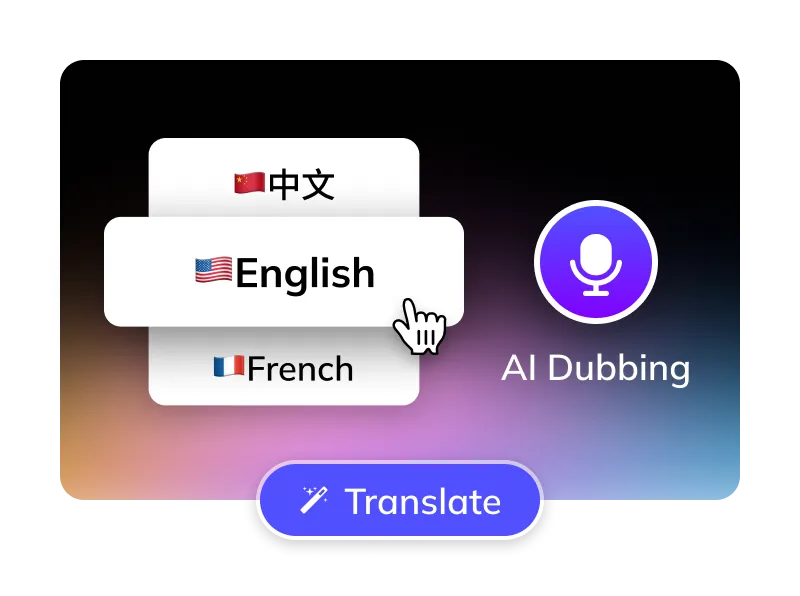
Select Options
- Select the language spoken in the source video. Target: Korean.
- Choose an available Korean voice and preview the result.
- Optional: Remove Tutorials subtitles, manage BGM.
Get Your Korean Video
- AI translates, dubs & syncs. Preview, edit subtitles, then download videos & SRTs.
For Global Creators and Businesses









Why Weydub for Your Video Translations?
Weydub is your all-in-one AI solution for translating Tutorials content into natural, engaging Korean.

Effortless Project Management
Manage Tutorials assets, subtitles, & Korean videos. Batch process projects efficiently.
Review Korean Translation
Review Korean names, terminology and idioms against the original Tutorial recording. Correct recognition errors before approving the translation.
Lifelike Korean AI Dubbing
Review the available Korean voices and choose one that suits the speaker and audience. Preview pronunciation, delivery and timing before publishing.
Flexible Tutorials Subtitle Options
Optionally erase original Tutorials hardsubs for a clean slate. Translate embedded Tutorials subtitles directly.
Review Multi-Speaker Attribution (Tutorial)
Review detected speakers in tutorial videos and check the Korean voice options available for your task. Compare recurring character names and voice assignments across episodes before export.
Efficient Batch Processing & API
Batch translate and dub multiple tutorial videos to Korean at once. Connect the workflow to your existing process through the API.
Versatile BGM Control
Check the available background-music options and listen for separation artifacts. Processing audio does not grant rights to music, effects or voices; confirm permissions before publishing.
Check Pricing
Check current pricing, your credit balance and the task estimate before submitting. Costs depend on the selected translation and dubbing options.
Easy Online Access
Translate Tutorials videos to Korean online without installing desktop software. Processing time depends on the video and selected options. Preview the result before downloading.
Review Picture, Subtitles and Dubbed Audio Together
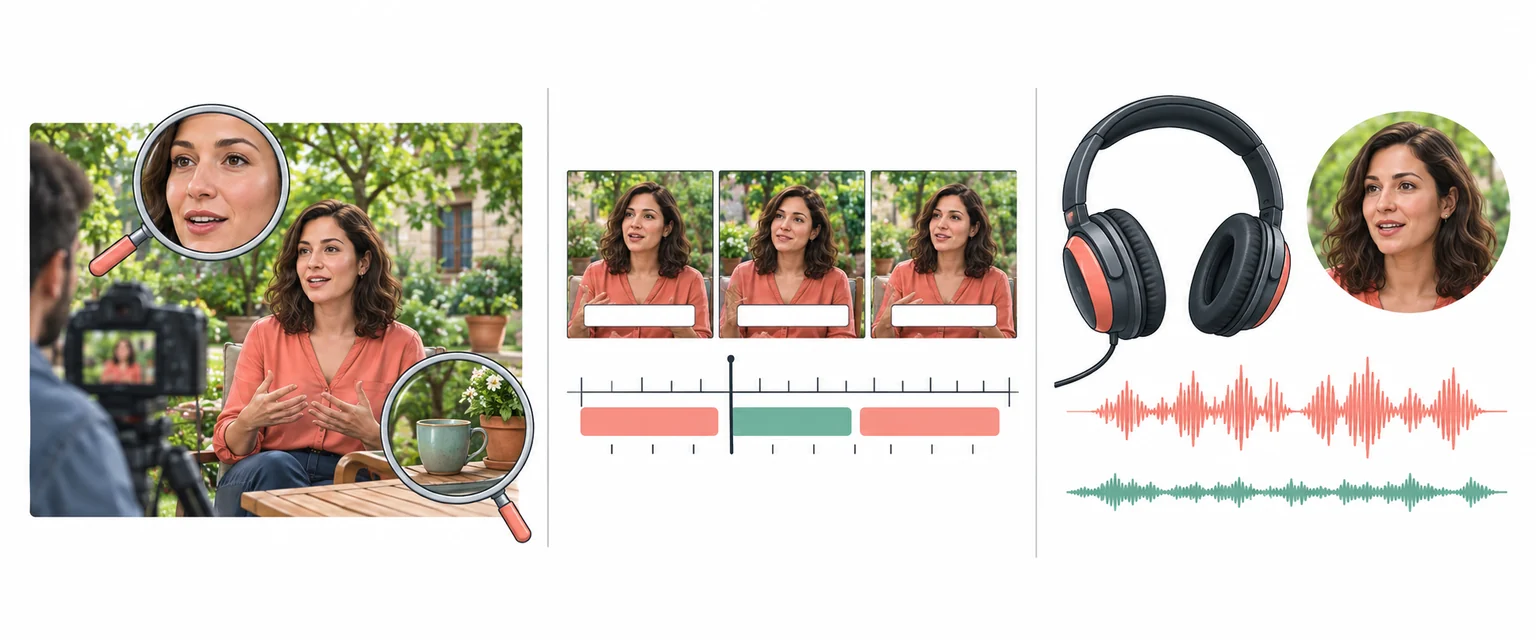
Every Algorithmic Optimization, Engineered for Quality Korean Video
Review Speakers in Tutorial Videos
Review detected speakers and available voice assignments in tutorial videos. Separate the demonstrator, narration and any quoted instructions. Listen to the exported Korean track and correct attribution or delivery before publication.
Translate Now
Review Korean Dubbing and Timing
A Korean translation can change phrase length. Keep each instruction aligned with the action or interface change shown. Matching audio timing does not by itself change visible mouth movements. Preview close-ups and the rendered result before publication.
Translate NowReview Subtitle Removal Before Export
If original subtitles overlap the Korean version, review whether removal is needed. Keep buttons, tool labels and the demonstrated operation visible. Check repaired backgrounds for artifacts and review the legibility of the replacement captions.
Translate Now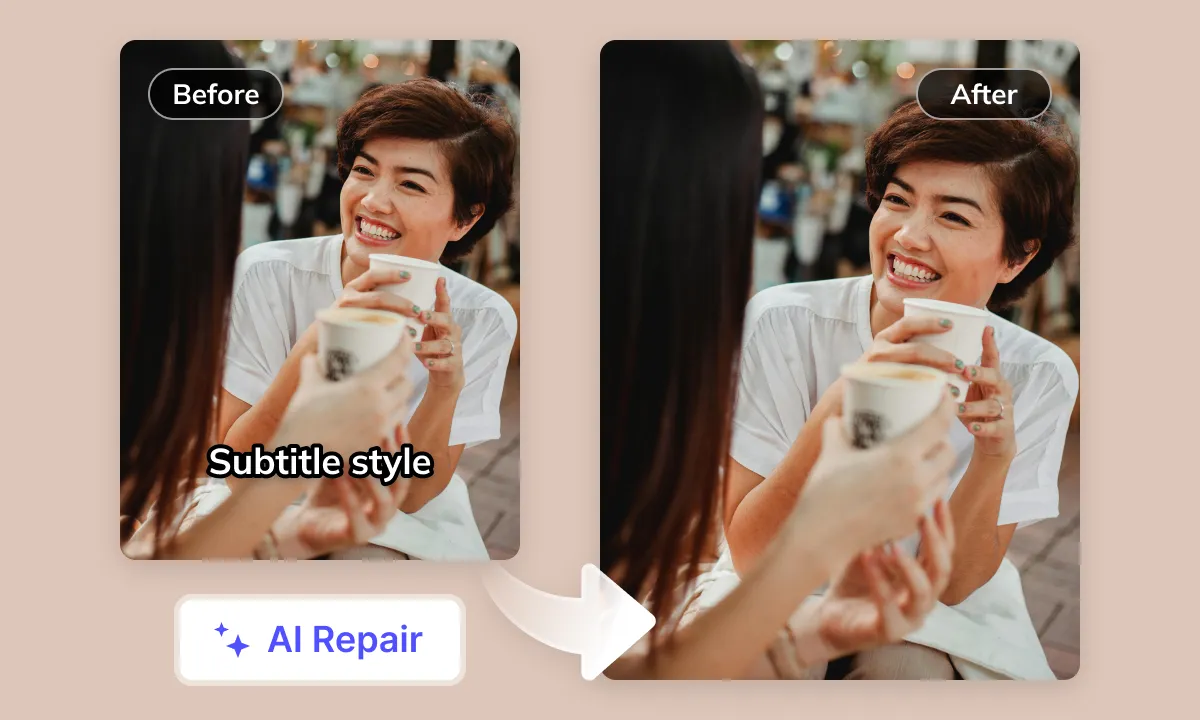

Review Audio and Publishing Rights
Review dialogue, music and sound effects together after generating the Korean version. Check instructions against demonstration sounds and background music. Audio separation can leave artifacts. Confirm licenses and publishing requirements separately from the translation task.
Translate NowYour Tutorials Deserve a Wider Korean Audience
Language barriers prevent your Chinese tutorials (professional skills, software, creative guidance) from reaching the vast Korean learning market. On knowledge platforms, a lack of quality Korean translation and dubbing severely hampers Korean learners' understanding and efficiency, hurting viewing experience, interaction, and global reach. Consequently, the market urgently demands professional, efficient AI video translation and dubbing solutions to effortlessly transform your Chinese tutorials into Korean, enabling universal knowledge sharing
tutorials video to korean
On-screen Overlap: Chinese Text and Visuals
Tutorial videos often feature Chinese text or graphics directly overlaid on the screen. This can hinder Korean viewers' comprehension or obscure the Korean translated content, necessitating meticulous handling of these overlays
Technical Terms, Structure, and Context Adaptation
Technical terms and operational instructions in tutorials vary significantly between Chinese and Korean. Korean sentence structure and honorifics also differ from Chinese, making direct translation difficult to ensure accuracy or maintain the tutorial's clarity and professionalism
Subtitle Display and Formatting Differences
Chinese tutorial subtitles are typically concise. However, Korean character forms and grammatical structures can result in longer translations. This requires careful layout of Korean subtitles within limited screen space, ensuring they don't obscure critical demonstration visuals and adapt to the video's pacing
Synchronization of Actions and Narration
Instructional videos often have specific timings for operational demonstrations. The duration of Korean translated narration may differ from the original Chinese, making precise synchronization of the narration audio with on-screen actions a significant challenge
AI Recognition Challenges for Specific Content
Tutorials may contain background noise (e.g., tool sounds), domain-specific Chinese jargon, or unclear pronunciation during rapid operations. All these factors increase the difficulty of Chinese ASR recognition, impacting the accuracy of Korean translation
Clarity and Professionalism of Korean Voiceover
Key is to dub tutorials with natural, fluent, clearly pronounced, and professional-sounding Korean AI voices. While the market offers a rich variety of AI voice libraries, finding high-quality Korean voices that perfectly match the tutorial's style and content characteristics remains a challenge
Lip-Sync Consideration for On-screen Speakers
While not all tutorials feature close-ups of faces, for those with on-screen presenters, achieving perceived synchronization between Korean voiceover and original Chinese lip movements demands high technical sophistication to enhance the viewing experience
Ideal AI Translation Workflow for Tutorials
An excellent AI translation should accurately recognize Chinese tutorial audio (noise-resistant, term-aware) - provide authentic Korean translation (correct grammar, accurate terminology, contextually appropriate) - generate high-quality Korean AI voiceover (clear pronunciation, rhythm-matching) - and achieve precise automated audio-visual and subtitle alignment
Tutorial Video Localization for Different Teams

Content Creators: Captions and Dubbing

Short Drama Teams: Episode Preparation

E-commerce Teams: Product Details

Localization Teams: Translation Review

Enterprise Teams: Delivery Requirements

Educators: Lessons and Demonstrations

Media Teams: Quotes and Attribution
Prepare, Process and Review Your Video
To prepare tutorial videos in Korean, select the tools your source needs: subtitle extraction, subtitle removal, subtitle translation and dubbing. Prepare your source, process it, review the result and download the available files. Use Studio for batch projects; a single Web task may offer different options. Check available outputs, editing options and current pricing before submission.