Translate Tutorials Video to Fluent Chinese

Translate your Tutorials videos to Chinese with subtitle removal, SRT generation and dubbing options. Review the output and check voice-cloning availability for your task.

tutorial video translation and dubbing workflow

Tutorials to Chinese: translate tutorial videos with subtitle review

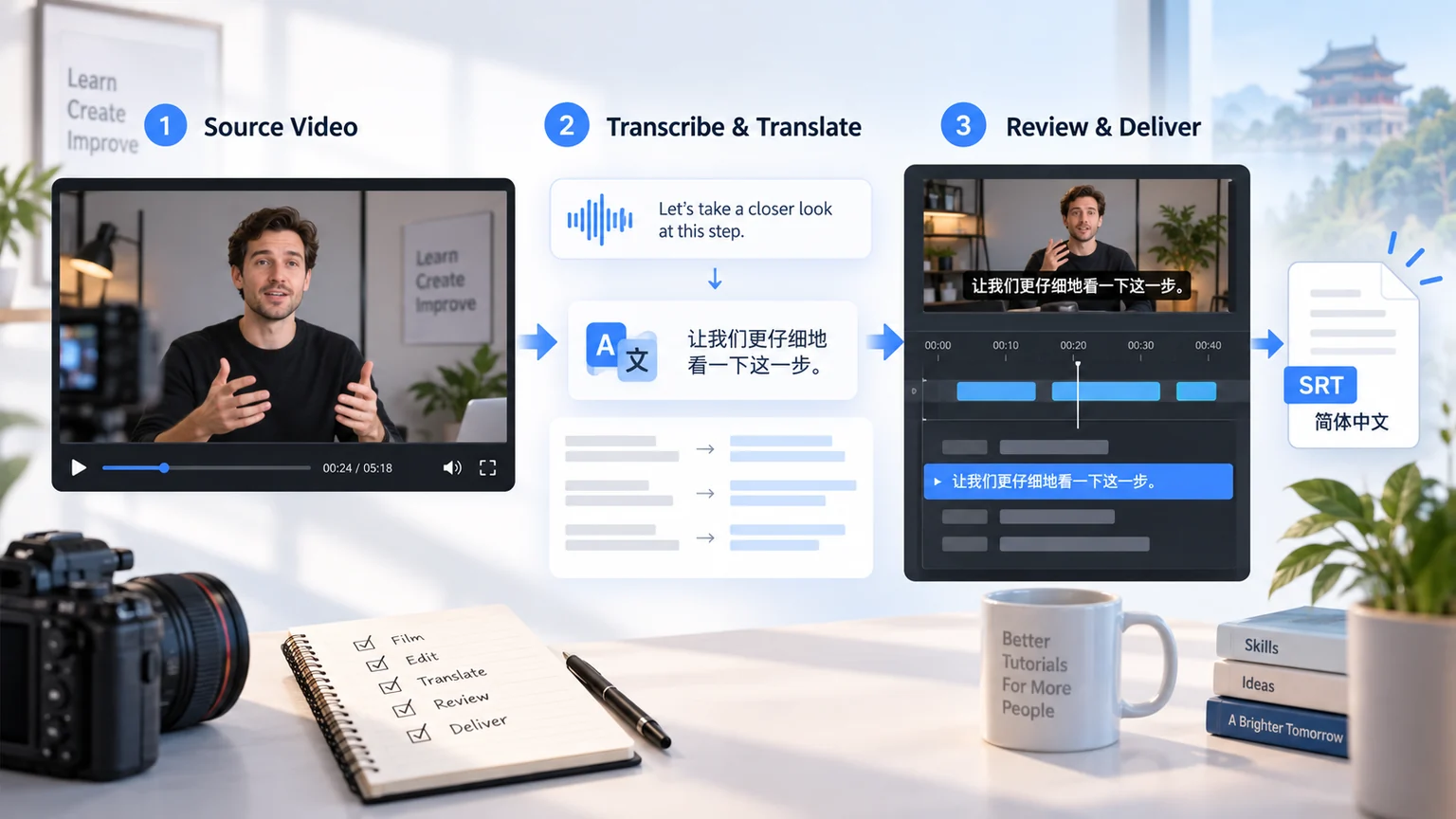
For tutorial videos, organize speech and on-screen text, review the translation and subtitle timing, then prepare Chinese dubbing or subtitle files for the required delivery format.

  • Upload the video and confirm speech, on-screen text, and delivery format
  • Translate and review subtitles while preserving timing, terminology, and speakers
  • Preview the result, check subtitles and audio, then export or continue in batch
How to Translate Tutorials Videos to Chinese?

Translate Tutorials Videos to Chinese in 3 Easy Steps

01

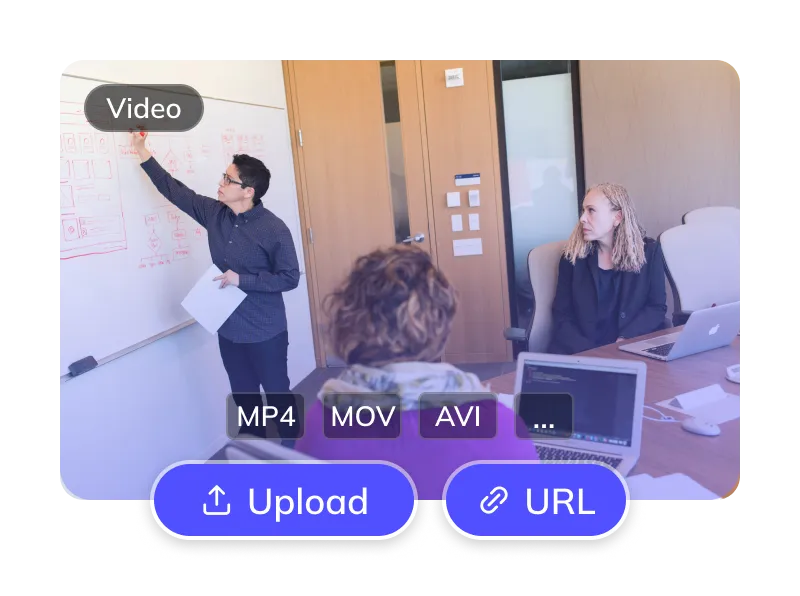
Upload Your Tutorials Video

  • Upload a tutorial video file you are entitled to process. Use link import only for sources supported by the current tool.
generator-step
02

Select Options

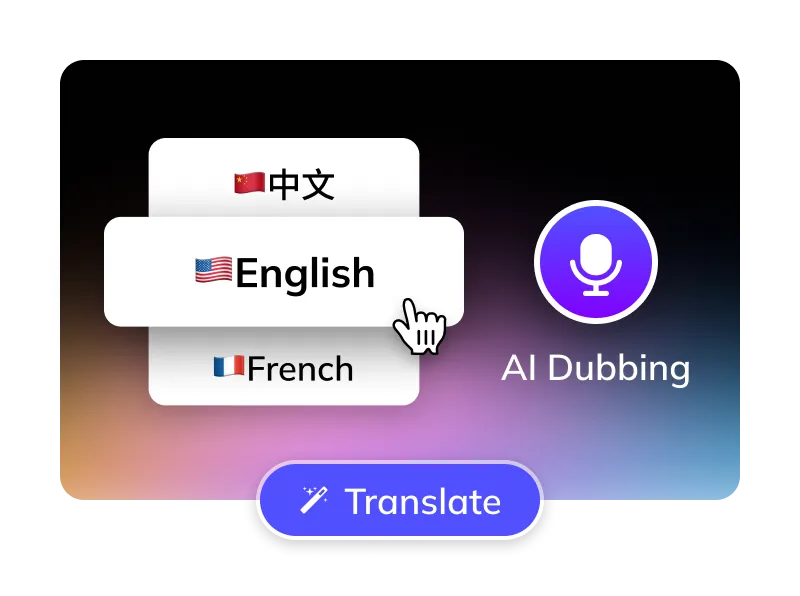
  • Select the language spoken in the source video. Target: Chinese.
  • Choose an available Chinese voice and preview the result.
  • Optional: Remove Tutorials subtitles, manage BGM.
generator-step
03

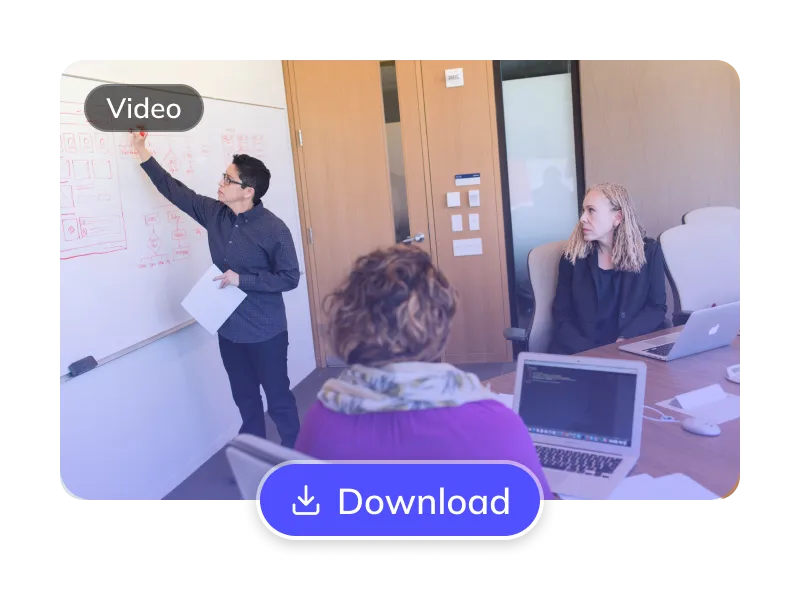
Get Your Chinese Video

  • Preview translated captions and audio. Review the editing and download options available for your selected output before delivery.
generator-step

For Global Creators and Businesses
  • akulaku
  • alibaba
  • anker
  • bilibili
  • crazy_maple
  • dianzhongkeji
  • dreame
  • eclicktech
  • ecovacs
  • fujitsu
  • giikin
  • jingdong
  • jowo
  • kwai
  • mobvista
  • tellernovel
  • weee
  • youdao

Why Weydub for Your Video Translations?

Weydub is your all-in-one AI solution for translating Tutorials content into natural, engaging Chinese.

Translation Icon

Effortless Project Management

Manage Tutorials assets, subtitles, & Chinese videos. Batch process projects efficiently.

Review Chinese Translation

Review Chinese names, terminology and idioms against the original Tutorial recording. Correct recognition errors before approving the translation.

Lifelike Chinese AI Dubbing

Review the available Chinese voices and choose one that suits the speaker and audience. Preview pronunciation, delivery and timing before publishing.

Flexible Tutorials Subtitle Options

Optionally erase original Tutorials hardsubs for a clean slate. Translate embedded Tutorials subtitles directly.

Review Multi-Speaker Attribution (Tutorial)

Review detected speakers in tutorial videos and check the Chinese voice options available for your task. Compare recurring character names and voice assignments across episodes before export.

Efficient Batch Processing & API

Batch translate and dub multiple tutorial videos to Chinese at once. Connect the workflow to your existing process through the API.

Versatile BGM Control

Check the available background-music options and listen for separation artifacts. Processing audio does not grant rights to music, effects or voices; confirm permissions before publishing.

Check Pricing

Check current pricing, your credit balance and the task estimate before submitting. Costs depend on the selected translation and dubbing options.

Easy Online Access

Translate Tutorials videos to Chinese online without installing desktop software. Processing time depends on the video and selected options. Preview the result before downloading.

Review Picture, Subtitles and Dubbed Audio Together
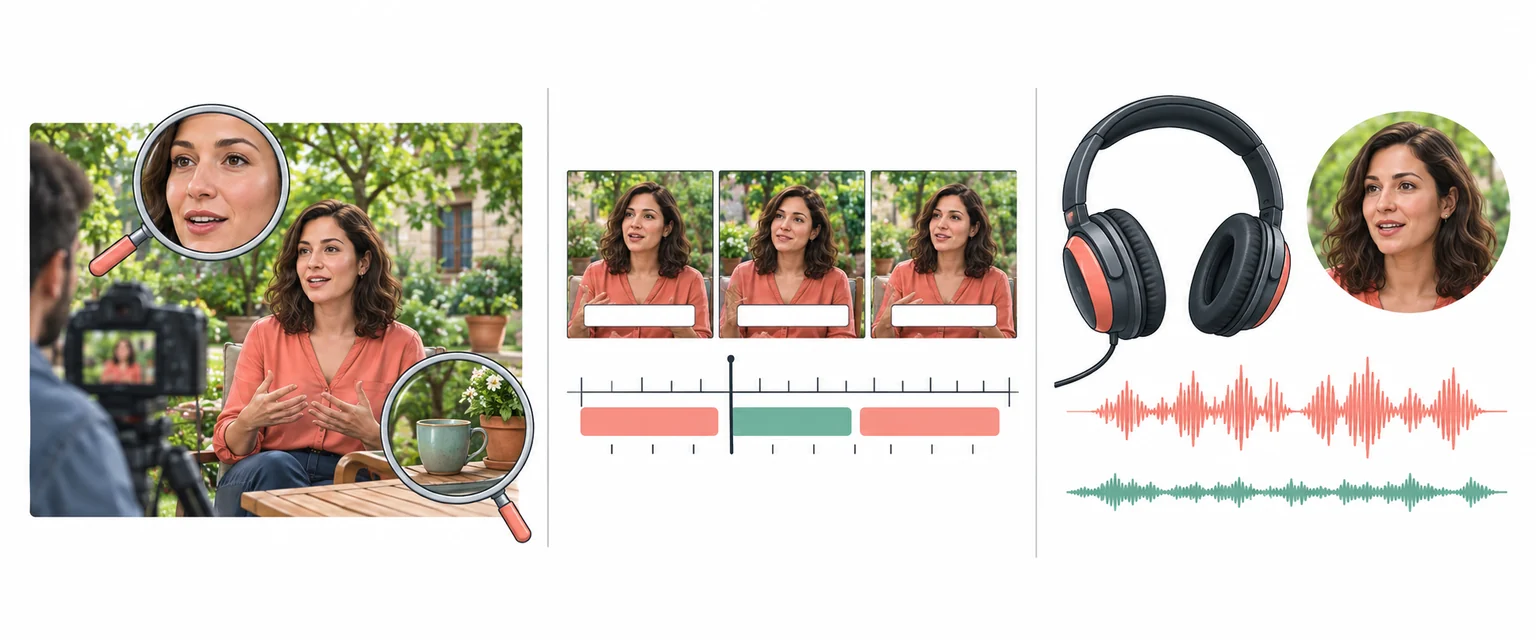
Illustration of checking picture detail, subtitle timing and audio for a localized video

Every Algorithmic Optimization, Engineered for Quality Chinese Video

Review Speakers in Tutorial Videos

Review detected speakers and available voice assignments in tutorial videos. Separate the demonstrator, narration and any quoted instructions. Listen to the exported Chinese track and correct attribution or delivery before publication.

Translate Now


subtitlegenerator detail

Review Chinese Dubbing and Timing

A Chinese translation can change phrase length. Keep each instruction aligned with the action or interface change shown. Matching audio timing does not by itself change visible mouth movements. Preview close-ups and the rendered result before publication.

Translate Now

Review Subtitle Removal Before Export

If original subtitles overlap the Chinese version, review whether removal is needed. Keep buttons, tool labels and the demonstrated operation visible. Check repaired backgrounds for artifacts and review the legibility of the replacement captions.

Translate Now
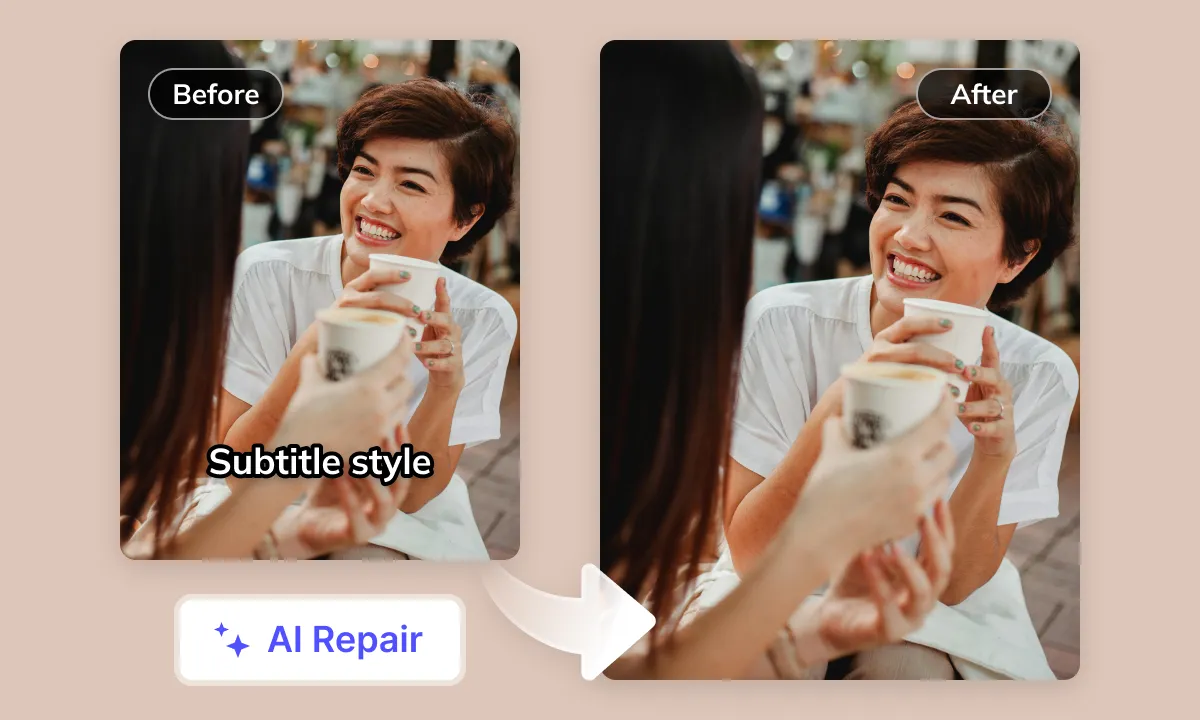

subtitlegenerator detail

Review Audio and Publishing Rights

Review dialogue, music and sound effects together after generating the Chinese version. Check instructions against demonstration sounds and background music. Audio separation can leave artifacts. Confirm licenses and publishing requirements separately from the translation task.

Translate Now

Seamlessly Localizing Global Tutorials into Chinese

Globally, countless excellent tutorials exist across languages like English and Japanese. Yet, language barriers often prevent them from effectively reaching the vast Chinese learning market. The absence of quality Chinese translation and dubbing renders these skill-based and professional guidance videos inaccessible to Chinese users, severely impeding widespread knowledge dissemination. Hence, the market critically needs a professional, efficient AI video translation and dubbing solution. This solution effortlessly converts diverse overseas tutorials into Chinese, making global wisdom widely accessible to Chinese learners
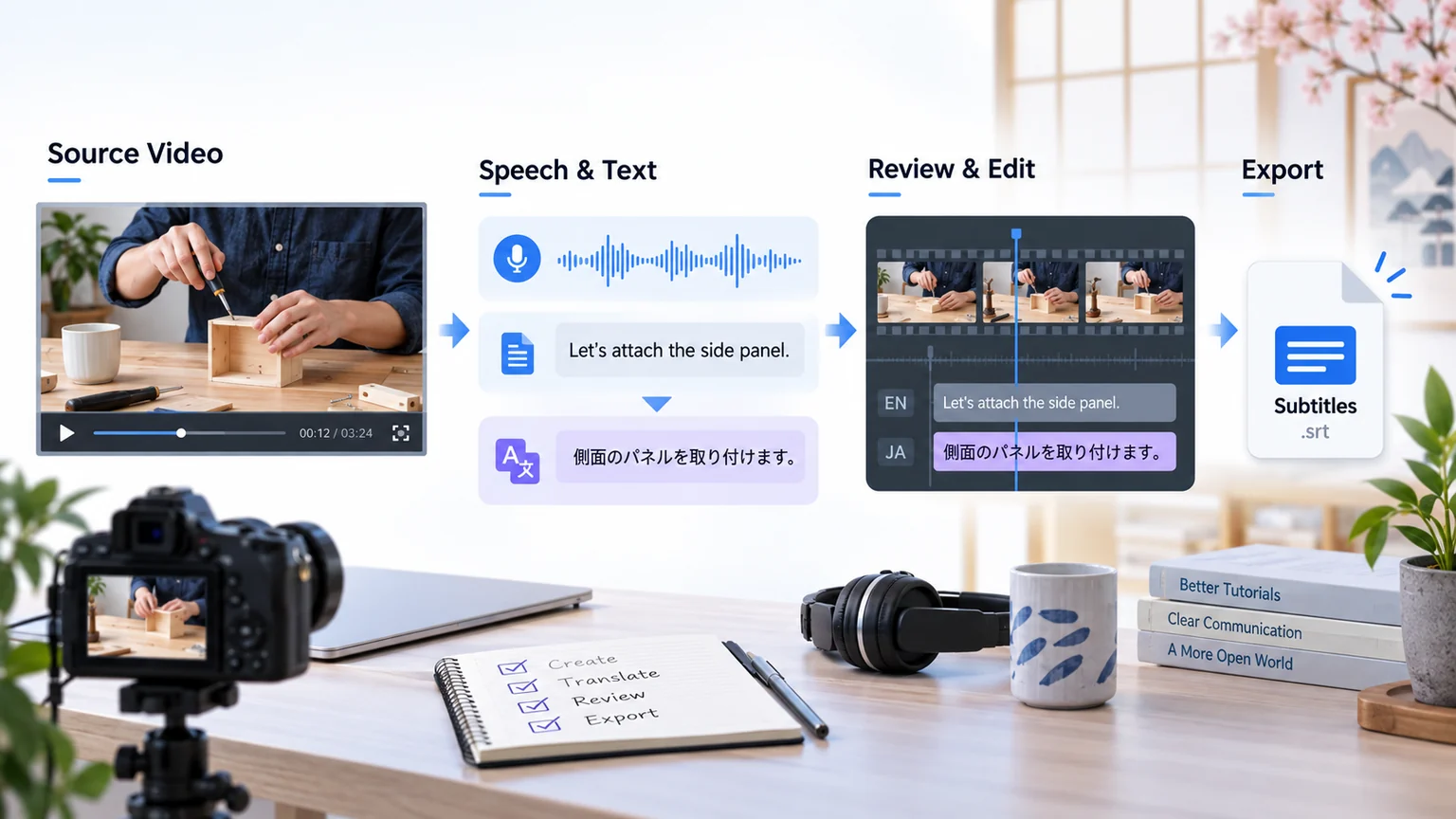
Japanese subtitle delivery workflow for tutorial videos
The same workflow also delivers Japanese subtitles.

Tutorial Video Localization to Chinese: Key Challenges and Considerations

Visual Elements and Hardcoded Text

Tutorial videos often feature extensive on-screen operation demonstrations and UI text (menus, buttons, code, etc.). A primary challenge in localizing tutorials to Chinese is effectively handling non-Chinese text or critical information hardcoded into the source video's visuals (e.g., removing, replacing, or overlaying Chinese explanations), as this directly impacts information delivery efficiency

Technical Terminology and Instruction Precision

Tutorial content involves specialized terminology and operational instructions specific to certain domains or software. A core difficulty in translating tutorials to Chinese is ensuring these terms are accurate, standardized, and align with Chinese user conventions, avoiding ambiguity or misinterpretation, which is crucial for clearly conveying complex operations

Source Audio Recognition and Noise Reduction

Tutorial videos often have varying voiceover speeds and clarity, frequently accompanied by background noises like keyboard typing and mouse clicks. This poses a challenge to the accuracy of source language Automatic Speech Recognition (ASR), affecting the quality of subsequent Chinese translation and voiceover. Effectively separating human speech from background noise is particularly crucial

Pacing and Operation Synchronization

The pace of a tutorial video is dictated by the specific on-screen operational steps. After localizing the tutorial voiceover to Chinese, it's essential to ensure the new Chinese audio precisely aligns with on-screen actions like mouse movements, clicks, and typing. This aims for a seamless audio-visual experience, rather than merely achieving lip-sync

Subtitle Layout and Information Density

If tutorials are localized to Chinese via subtitles, there are significant differences in layout, length, and information density between Chinese characters and source languages (e.g., English). It's necessary to redesign subtitle segmentation, line breaks, and display timing to ensure subtitles don't obscure critical operations and remain clearly legible during step-by-step demonstrations

AI Translation and Speech Synthesis Quality

AI still faces challenges in understanding and translating specialized instructions and context within specific domains. Selecting or synthesizing high-quality Chinese AI voices that meet tutorial requirements (clear, stable, emotionally neutral) and ensuring natural and fluent pronunciation are critical steps in achieving automated tutorial localization to Chinese

Standards for Efficient Tutorial Localization Automation

An ideal automated workflow for localizing tutorials to Chinese should include: accurate source language speech recognition (including background noise separation) - precise translation of specialized terminology and operational instructions - effective handling of on-screen hardcoded text or UI - generation of clear and natural Chinese voiceovers and subtitles - high-precision synchronization of voiceovers and subtitles with on-screen operations

Tutorial Video Localization for Different Teams

subtitlegenerator-scene

Content Creators: Captions and Dubbing

Create subtitles and dubbed audio in Chinese for tutorial videos using the options available for your task. Keep each instruction aligned with the action or interface change shown. Review the downloaded result in its intended publishing format, then prepare the title, description and upload separately on the destination platform.
subtitlegenerator scene

Short Drama Teams: Episode Preparation

For dialogue-led tutorial videos, prepare a reference for character names and recurring terms in Chinese. Separate the demonstrator, narration and any quoted instructions. If you use a series workflow, check its available settings and compare each episode with the reference; do not assume voice assignments or delivery remain consistent automatically.
subtitlegenerator scene

E-commerce Teams: Product Details

When tutorial videos feature products or offers, compare Chinese wording with approved model names, specifications, prices and conditions. Keep buttons, tool labels and the demonstrated operation visible. Check spoken details against labels in the picture, and have the campaign owner approve translated claims before publication.
subtitlegenerator scene

Localization Teams: Translation Review

Use the Chinese draft of tutorial videos as a starting point for terminology and language review. Speech recognition transcribes spoken audio; OCR reads visible text. Verify each against its own source, then check subtitle timing and dubbed delivery together before handing off the final files.
subtitlegenerator scene

Enterprise Teams: Delivery Requirements

For corporate tutorial videos, agree on the Chinese terminology, reviewers and delivery requirements before processing. Check current privacy terms and confirm any specific data-handling requirement with support. If API automation is needed, verify account access, supported operations and task-status handling for the intended workflow.
subtitlegenerator scene

Educators: Lessons and Demonstrations

When tutorial videos explain a lesson or demonstration, check Chinese terminology, numbers and instructions against the teaching material. Keep each instruction aligned with the action or interface change shown. Ask a subject reviewer to approve the translation and inspect the available subtitle output for reading time and line breaks before distributing the lesson.
subtitlegenerator scene

Media Teams: Quotes and Attribution

For interviews or reporting in tutorial videos, verify Chinese quotations, names, dates and speaker attribution against the source. Check instructions against demonstration sounds and background music. Keep factual review and publication approval in your editorial process, and confirm rights for footage, voices and music separately from translation.

Prepare, Process and Review Your Video

To prepare tutorial videos in Chinese, select the tools your source needs: subtitle extraction, subtitle removal, subtitle translation and dubbing. Prepare your source, process it, review the result and download the available files. Use Studio for batch projects; a single Web task may offer different options. Check available outputs, editing options and current pricing before submission.
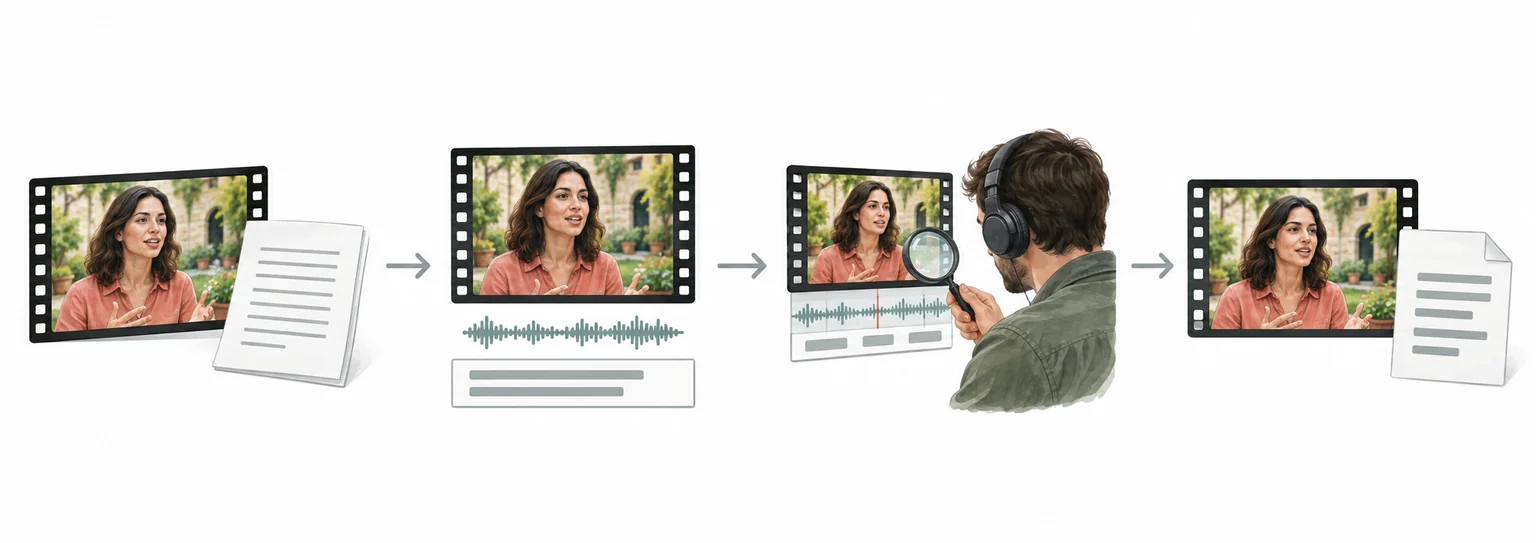
Illustrated stages: prepare a video, process selected options, review and download available results

Weydub Video Translation and Inpainting Overview

FAQ

  • Where can I check pricing and available trial credits?

    Check the current Pricing page and your account balance before submitting a task. Available trial credits, paid options, and the cost shown for your selected workflow should guide your decision. Review the task settings and displayed estimate before confirming; this guide does not promise a fixed free allowance or a specific price.
  • How should ordered tutorial instructions be translated?

    For a tutorial, check that each instruction remains in the same sequence and that transitions still match the demonstrated action. Review the Chinese subtitles beside the timeline, watching for merged or split cues that could blur separate steps. Confirm that commands stay concise and that references such as 'next' or 'below' still fit the screen.
  • How can tutorial interface terms stay consistent?

    Compare recurring menu names, button labels, and settings across the full tutorial before approving the Chinese wording. A term that changes between scenes can make an otherwise clear demonstration hard to follow. Check capitalization against the visible interface, preserve distinctions between similar controls, and use the subtitle editor to correct inconsistent interface terms and timing.
  • What should I check for visible tutorial step labels?

    When a tutorial shows step labels inside the frame, compare the OCR-derived text with what is actually visible. Verify spelling, punctuation, and reading order before adapting those labels into Chinese. Also check whether a label is part of the interface or an editorial overlay, since that distinction can affect terminology and where the related subtitle should appear.
  • Do I need professional video editing experience?

    You can start by choosing a video and configuring the translation workflow without preparing a full editing project. Review the translated subtitle text, names, timing, and the finished audio before publishing. Specialized subject matter may still need a knowledgeable reviewer, especially when a small wording change affects meaning or a speaker's intent.
  • How should tutorial narration be reviewed?

    Review ASR results while playing the tutorial, especially where narration uses short commands, product-specific terms, or words that sound alike. Make sure the Chinese subtitle describes the action shown at that moment rather than a nearby step. If the speaker pauses mid-instruction, inspect cue boundaries so the complete direction remains easy to follow.
  • How should Chinese translations keep terminology consistent?

    When translating from tutorial video into Chinese, build a short glossary for product names, technical terms, and recurring calls to action. Review every subtitle for the same Chinese wording, especially where context could support several valid choices. Check dubbed lines against the approved glossary before downloading the finished output.
  • How should Chinese subtitles segment rapid dialogue?

    For rapid dialogue translated from tutorial video, review Chinese phrase boundaries rather than copying source punctuation mechanically. Split subtitles at natural grammatical pauses, keep closely related words together, and avoid leaving a short particle isolated on another line. Play each scene while checking that the Chinese text appears with the intended spoken idea.
  • How should Chinese subtitles handle personal names?

    When tutorial video includes personal, company, or place names, verify each Chinese rendering against the project's preferred references. Decide whether a name should be transliterated, translated, or retained in its original form, then apply that choice consistently. Review visible text with OCR context, since signs and title cards may clarify the intended name.
  • What should I check before uploading private or licensed footage?

    Use footage you are entitled to process and check the current privacy policy and service terms before uploading sensitive material. For client projects, confirm that the agreed handling of faces, voices, personal details, and licensed media permits this workflow. Ask support about any specific retention or processing requirement rather than assuming a promise from this guide.
↓View More
↑Collapsed More

Common Review Scenarios

Compare Chinese instructions with the demonstrated sequence. Keep prerequisites and warnings before the action they govern.

Step order

For sequential tutorials

Check Chinese descriptions against the interface shown. Preserve original button or menu names when the recording uses a different interface language.

Interface labels

For software tutorials

Verify Chinese quantities, settings and units against the source. Check spoken numbers against values visible on screen.

Numbers and units

For practical instructions

Preview Chinese captions with each click, movement or operation. Review lines that continue into the next step.

Action timing

For demonstrations

Keep the conditions for each Chinese troubleshooting instruction clear. Distinguish an optional fix from a required step.

Troubleshooting context

For troubleshooting guides

Watch the exported Chinese tutorial in order. Check captions, narration and on-screen details together before sharing it with learners.

Learner handoff

For final review

Connect Your Tutorials Videos with the Chinese-Speaking World

Language barriers shouldn't limit your content. Weydub AI professionally translates your Tutorials videos into fluent Chinese, with accurate subtitles and natural AI dubbing. Unlock global audiences and unleash your video's true potential.

Try Tutorials to Chinese AI Video Translator