Translate Short-Drama Video to Fluent Japanese

Translate your Short-Drama videos to Japanese with subtitle removal, SRT generation and dubbing options. Review the output and check voice-cloning availability for your task.

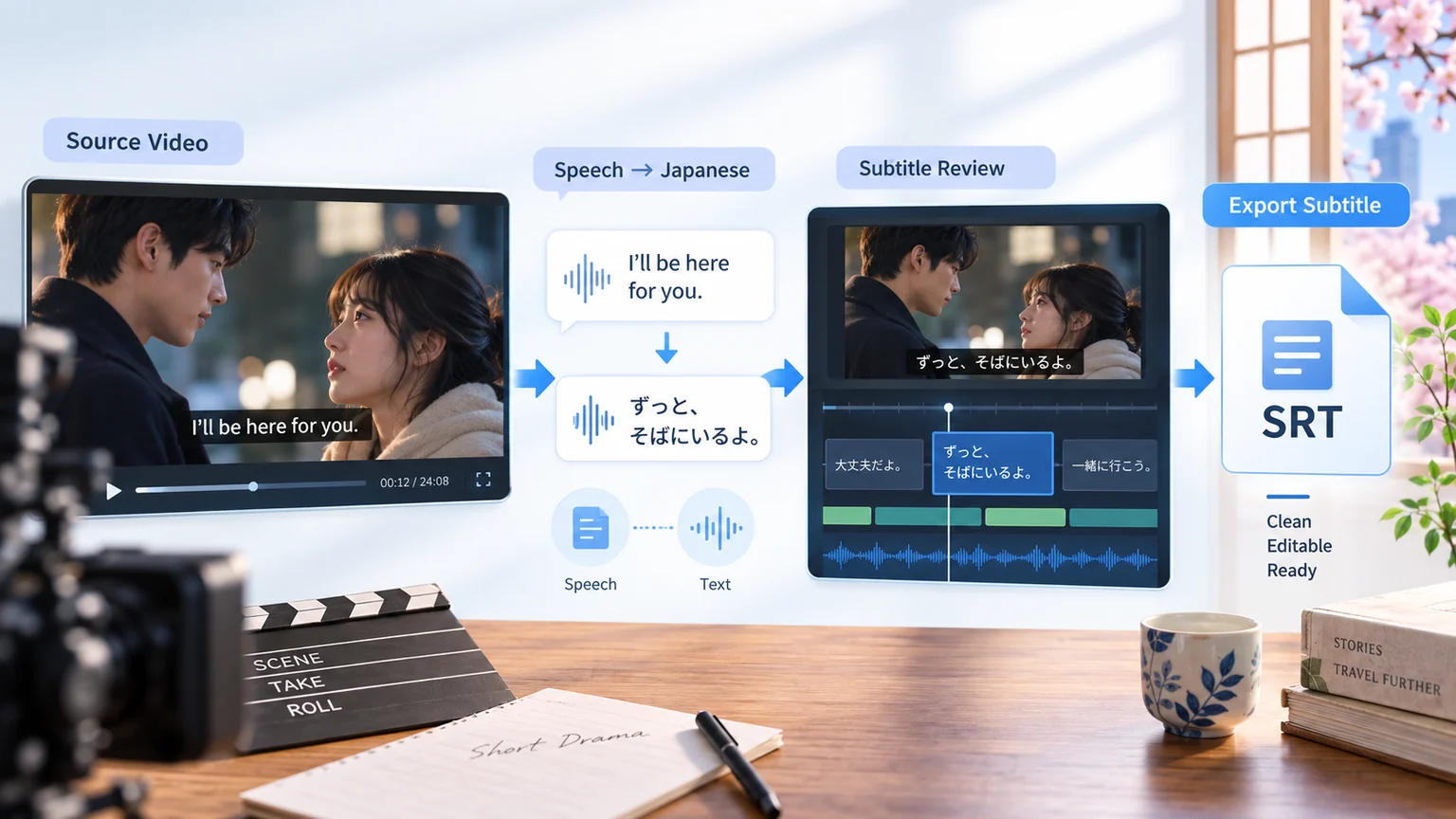
short-drama video translation and dubbing workflow

Short Drama to Japanese: translate short-drama videos with subtitle review

For short-drama videos, organize speech and on-screen text, review the translation and subtitle timing, then prepare Japanese dubbing or subtitle files for the required delivery format.

  • Upload the video and confirm speech, on-screen text, and delivery format
  • Translate and review subtitles while preserving timing, terminology, and speakers
  • Preview the result, check subtitles and audio, then export or continue in batch
How to Translate Short-Drama Videos to Japanese?

Translate Short-Drama Videos to Japanese in 3 Easy Steps

01

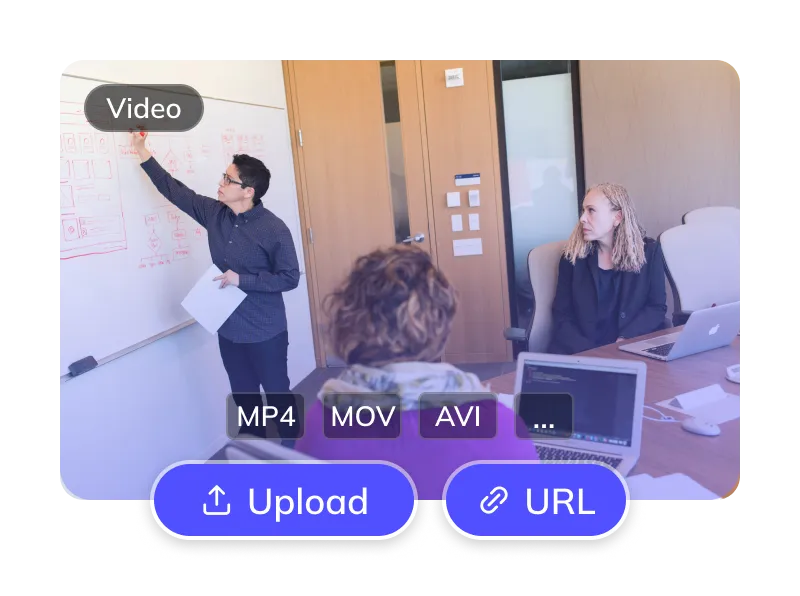
Upload Your Short-Drama Video

  • Upload files (MP4, MOV) or paste links from YouTube, TikTok, etc.
generator-step
02

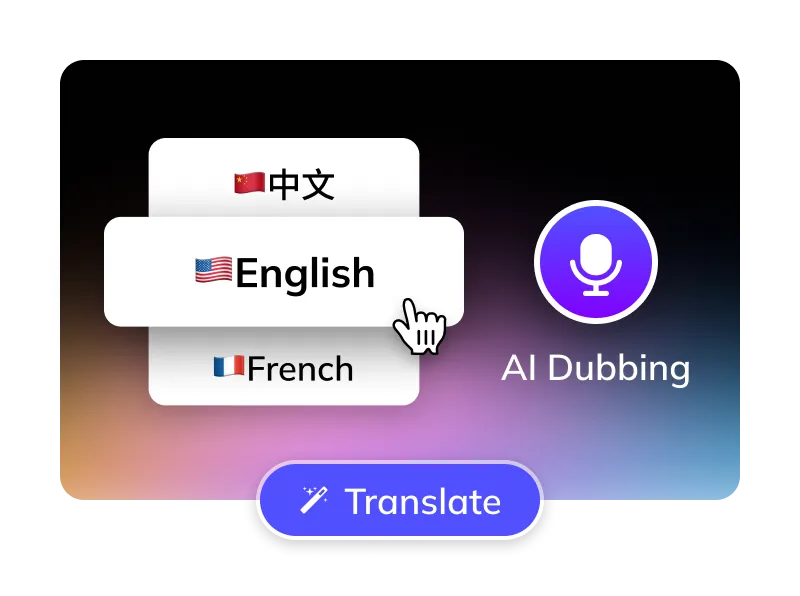
Select Options

  • Select the language spoken in the source video. Target: Japanese.
  • Choose an available Japanese voice and preview the result.
  • Optional: Remove Short-Drama subtitles, manage BGM.
generator-step
03

Get Your Japanese Video

  • AI translates, dubs & syncs. Preview, edit subtitles, then download videos & SRTs.
generator-step

For Global Creators and Businesses

  • akulaku
  • alibaba
  • anker
  • bilibili
  • crazy_maple
  • dianzhongkeji
  • dreame
  • eclicktech
  • ecovacs
  • fujitsu
  • giikin
  • jingdong
  • jowo
  • kwai
  • mobvista
  • tellernovel
  • weee
  • youdao

Why Weydub for Your Video Translations?

Weydub is your all-in-one AI solution for translating Short-Drama content into natural, engaging Japanese.

Translation Icon

Effortless Project Management

Manage Short-Drama assets, subtitles, & Japanese videos. Batch process projects efficiently.

Review Japanese Translation

Review Japanese names, terminology and idioms against the original Short-Drama recording. Correct recognition errors before approving the translation.

Lifelike Japanese AI Dubbing

Review the available Japanese voices and choose one that suits the speaker and audience. Preview pronunciation, delivery and timing before publishing.

Flexible Short-Drama Subtitle Options

Optionally erase original Short-Drama hardsubs for a clean slate. Translate embedded Short-Drama subtitles directly.

Review Multi-Speaker Attribution (Short-Drama)

Review detected speakers in short-drama episodes and check the Japanese voice options available for your task. Compare recurring character names and voice assignments across episodes before export.

Efficient Batch Processing & API

Batch translate and dub multiple short-drama episodes to Japanese at once. Connect the workflow to your existing process through the API.

Versatile BGM Control

Check the available background-music options and listen for separation artifacts. Processing audio does not grant rights to music, effects or voices; confirm permissions before publishing.

Check Pricing

Check current pricing, your credit balance and the task estimate before submitting. Costs depend on the selected translation and dubbing options.

Easy Online Access

Translate Short-Drama videos to Japanese online without installing desktop software. Processing time depends on the video and selected options. Preview the result before downloading.

Review Picture, Subtitles and Dubbed Audio Together
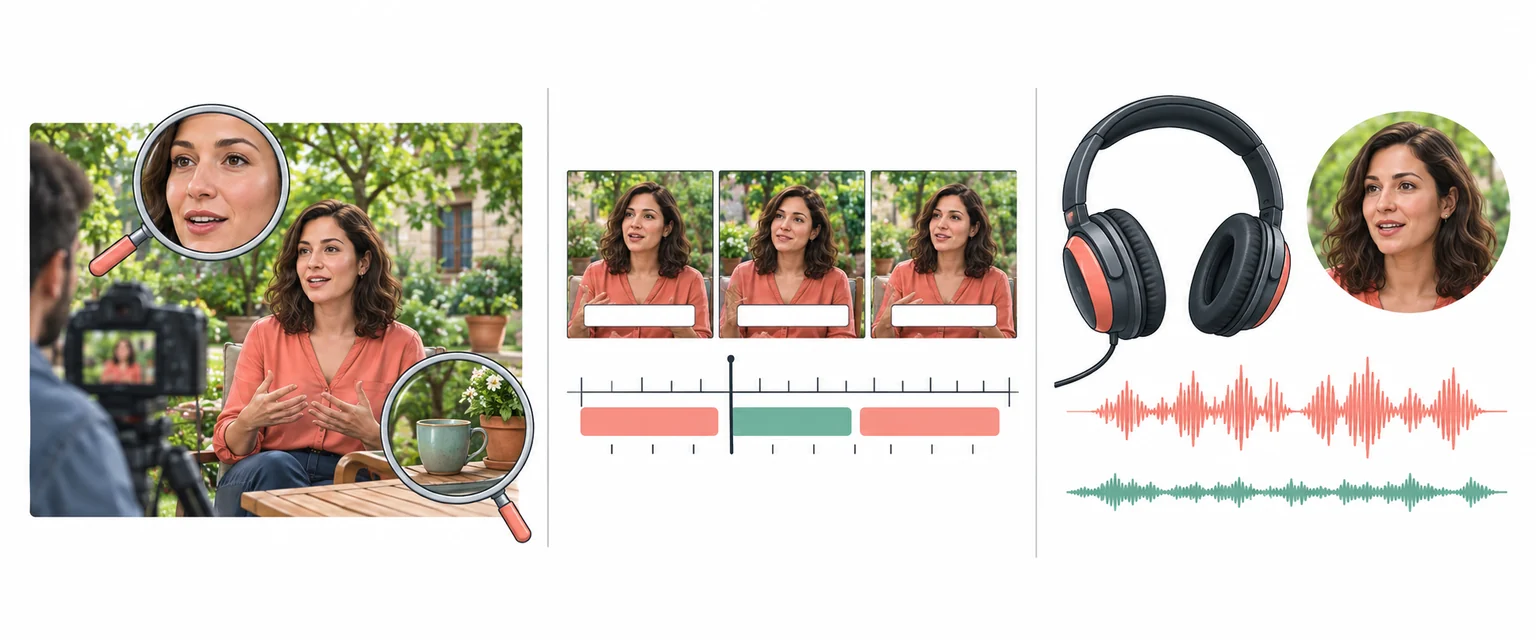
Illustration of checking picture detail, subtitle timing and audio for a localized video

Every Algorithmic Optimization, Engineered for Quality Japanese Video

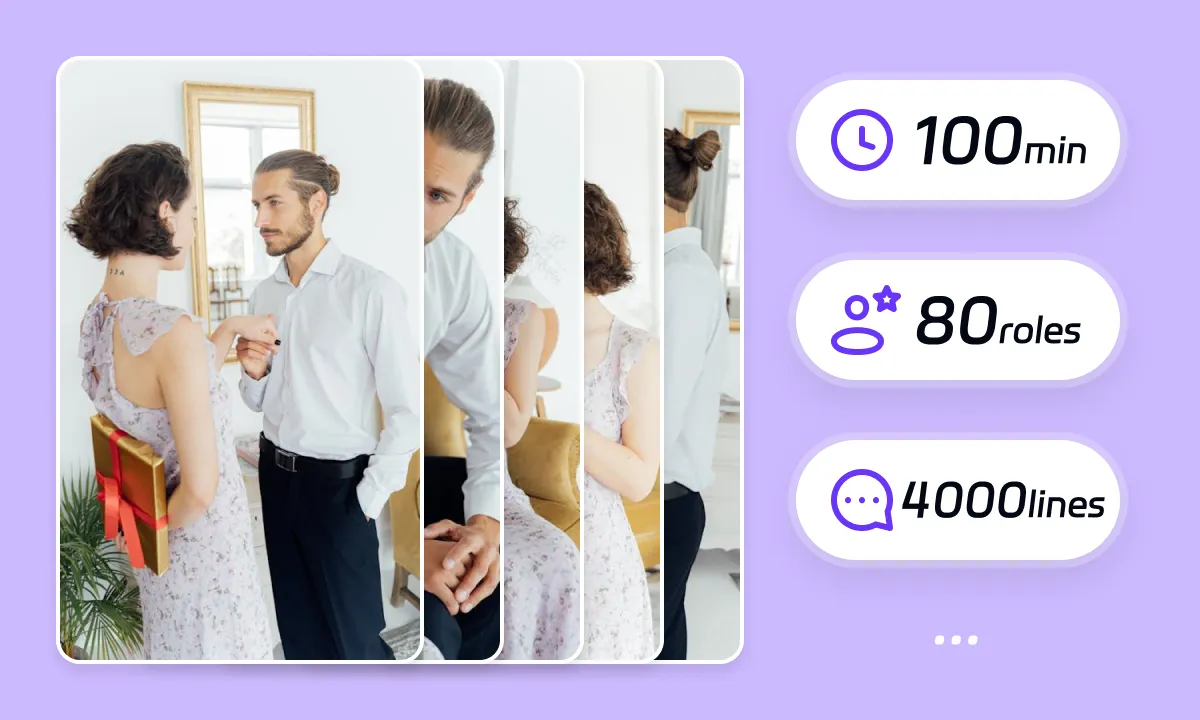
Review Speakers in Short-Drama Videos

Review detected speakers and available voice assignments in short-drama episodes. Track character names and voice assignments across scenes and related episodes. Listen to the exported Japanese track and correct attribution or delivery before publication.

Translate Now

subtitlegenerator detail

Review Japanese Dubbing and Timing

A Japanese translation can change phrase length. Review interruptions, emotional pauses and rapid dialogue exchanges. Matching audio timing does not by itself change visible mouth movements. Preview close-ups and the rendered result before publication.

Translate Now

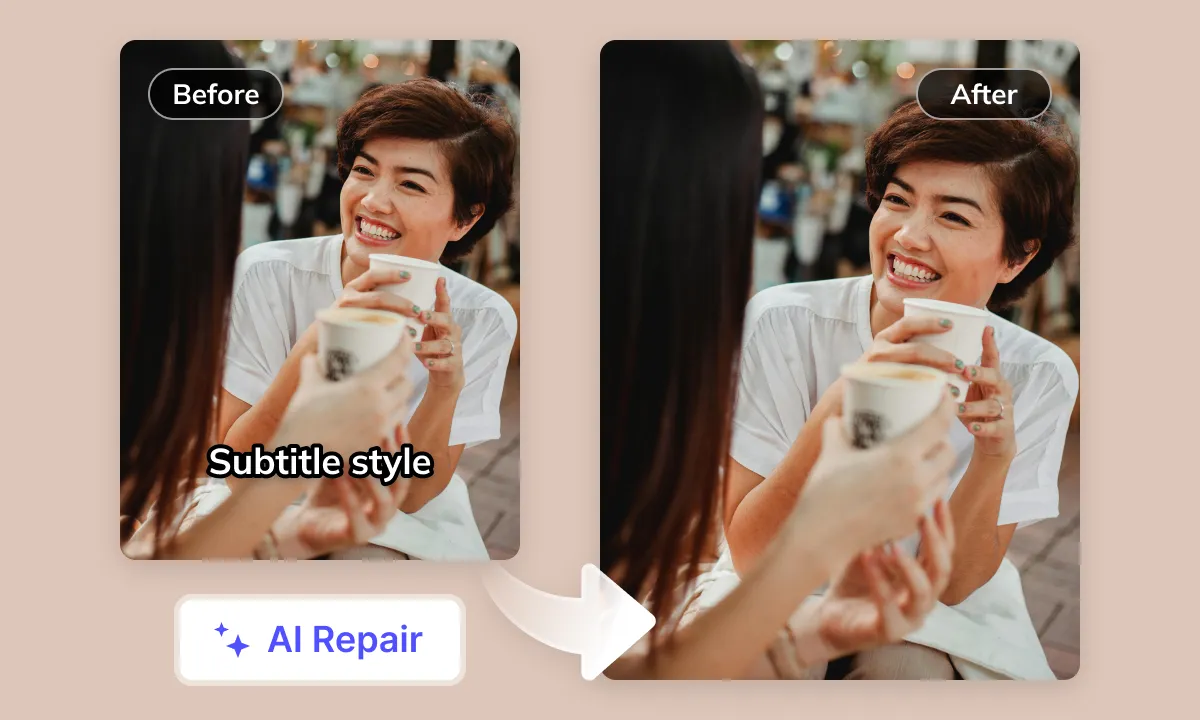
Review Subtitle Removal Before Export

If original subtitles overlap the Japanese version, review whether removal is needed. Check faces, scene changes and moving backgrounds where original subtitles appeared. Check repaired backgrounds for artifacts and review the legibility of the replacement captions.

Translate Now

subtitlegenerator detail

Review Audio and Publishing Rights

Review dialogue, music and sound effects together after generating the Japanese version. Check whispered lines, overlapping dialogue and dramatic music separately. Audio separation can leave artifacts. Confirm licenses and publishing requirements separately from the translation task.

Translate Now

Your Short Dramas Deserve a Japanese Audience

Compelling short dramas (urban, suspense, historical) often miss the vast Japanese market due to language barriers. On platforms like TikTok and YouTube, poor Japanese translation and dubbing impede understanding, harming experience, engagement, and global reach. The market thus urgently needs professional, efficient AI video translation and dubbing to adapt quality short dramas into Japanese for wider international success
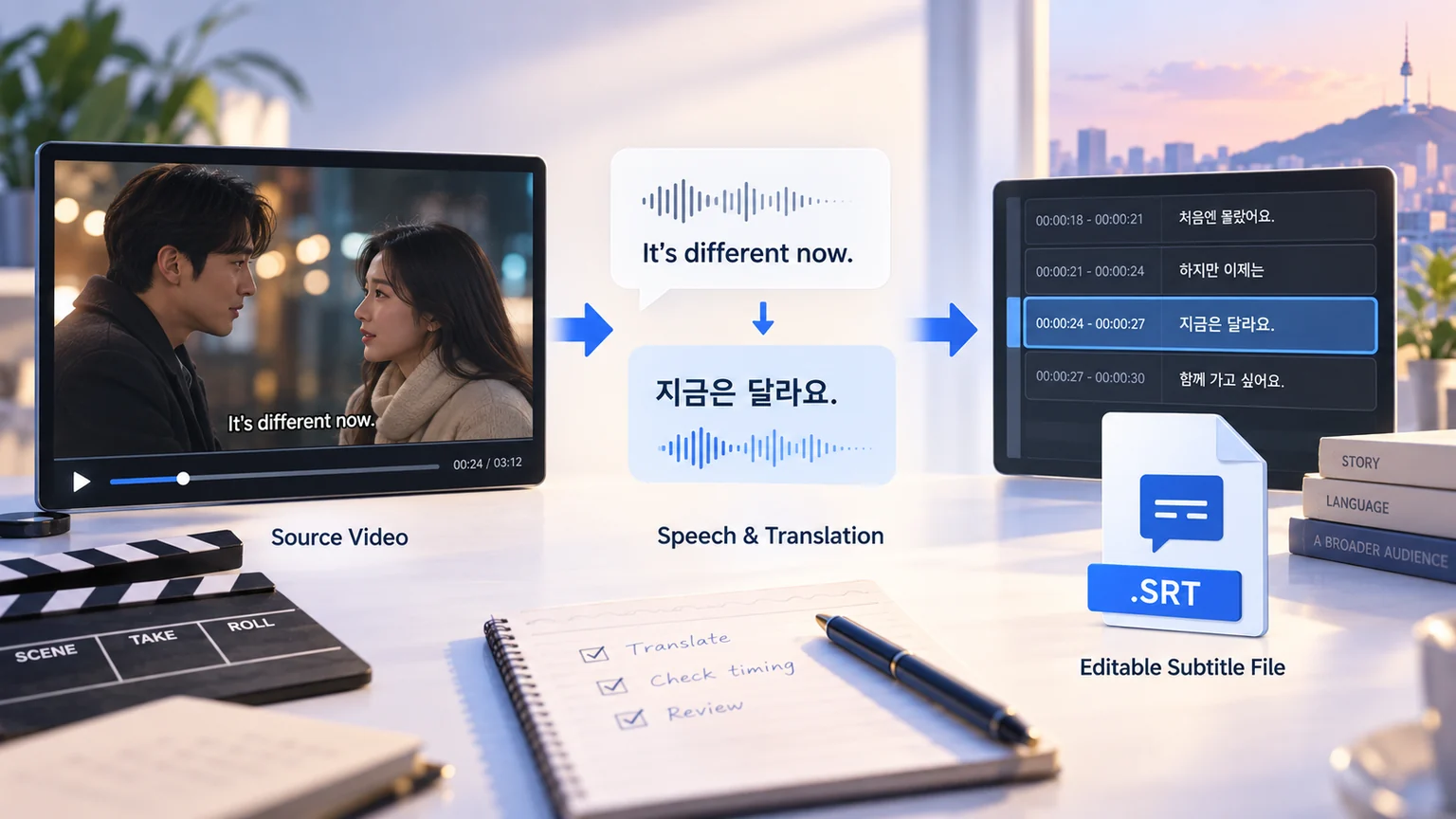
Korean subtitle delivery workflow for short-drama videos
The same workflow also delivers Korean subtitles.

Short-form Drama Japanese Localization: Challenges and Strategies

Handling Hardcoded Subtitles and Original Audio

If the short drama's embedded Chinese hardcoded subtitles and original audio are not properly removed or replaced, they directly interfere with the Japanese audience's viewing experience, posing a fundamental obstacle in the localization process

Cultural, Contextual and Expressive Differences

Short dramas often contain numerous China-specific slang, internet memes, and cultural elements. These exhibit significant differences from Japanese expression habits and cultural contexts. Direct translation can easily lose the original meaning or lead to misunderstandings. Finding appropriate corresponding expressions in Japanese is a core challenge

Subtitle Layout and Adaptation

Chinese subtitles are typically concise. Japanese characters (kana, kanji) occupy different amounts of space. To adapt to the fast pace of short dramas, Japanese subtitles require re-segmentation, line control, and re-layout to ensure clear presentation within a limited timeframe without obstructing key visuals

Pacing and Rhythm Adjustment

Short dramas are fast-paced and information-dense. After localization into Japanese, sentence structures and vocabulary volume may alter the duration, affecting the original speech pace and rhythm, posing a challenge for achieving audio-visual synchronization

Complex Audio Environment Recognition

Background music, sound effects, diverse Chinese dialect accents, rapidly switching dialogues, and non-standard internet slang in short dramas all increase the difficulty of Chinese speech recognition, thereby affecting the accuracy of Japanese localization

High-Quality Japanese AI Voice Matching

While there are many Japanese AI voice options, finding a high-quality voice that is natural, fluent, emotionally rich, and precisely matches the short drama characters' personalities, emotions, and overall style still requires careful selection and optimization

Perceived Lip-Sync Synchronization

Lip shapes differ during language pronunciation. After dubbing short dramas with Japanese audio tracks, achieving 'perceived synchronization' between character lip movements and Japanese pronunciation visually, avoiding a noticeable disconnect, is technically demanding, especially during close-up shots

Ideal AI Localization Standards

Ideal AI Japanese localization for short dramas should feature: highly robust Chinese speech recognition (capable of handling complex scenarios and internet slang) - highly localized Japanese translation (understanding and converting cultural memes, conforming to Japanese expression habits) - highly expressive Japanese AI voiceover (appropriate timbre, accurate emotion, synchronized with visuals) - and intelligent, precise alignment of localized audio and video

Short-Drama Video Localization for Different Teams

subtitlegenerator-scene

Content Creators: Captions and Dubbing

Create subtitles and dubbed audio in Japanese for short-drama episodes using the options available for your task. Review interruptions, emotional pauses and rapid dialogue exchanges. Review the downloaded result in its intended publishing format, then prepare the title, description and upload separately on the destination platform.
subtitlegenerator scene

Short Drama Teams: Episode Preparation

For dialogue-led short-drama episodes, prepare a reference for character names and recurring terms in Japanese. Track character names and voice assignments across scenes and related episodes. If you use a series workflow, check its available settings and compare each episode with the reference; do not assume voice assignments or delivery remain consistent automatically.
subtitlegenerator scene

E-commerce Teams: Product Details

When short-drama episodes feature products or offers, compare Japanese wording with approved model names, specifications, prices and conditions. Check faces, scene changes and moving backgrounds where original subtitles appeared. Check spoken details against labels in the picture, and have the campaign owner approve translated claims before publication.
subtitlegenerator scene

Localization Teams: Translation Review

Use the Japanese draft of short-drama episodes as a starting point for terminology and language review. Speech recognition transcribes spoken audio; OCR reads visible text. Verify each against its own source, then check subtitle timing and dubbed delivery together before handing off the final files.
subtitlegenerator scene

Enterprise Teams: Delivery Requirements

For corporate short-drama episodes, agree on the Japanese terminology, reviewers and delivery requirements before processing. Check current privacy terms and confirm any specific data-handling requirement with support. If API automation is needed, verify account access, supported operations and task-status handling for the intended workflow.
subtitlegenerator scene

Educators: Lessons and Demonstrations

When short-drama episodes explain a lesson or demonstration, check Japanese terminology, numbers and instructions against the teaching material. Review interruptions, emotional pauses and rapid dialogue exchanges. Ask a subject reviewer to approve the translation and inspect the available subtitle output for reading time and line breaks before distributing the lesson.
subtitlegenerator scene

Media Teams: Quotes and Attribution

For interviews or reporting in short-drama episodes, verify Japanese quotations, names, dates and speaker attribution against the source. Check whispered lines, overlapping dialogue and dramatic music separately. Keep factual review and publication approval in your editorial process, and confirm rights for footage, voices and music separately from translation.

Prepare, Process and Review Your Video

To prepare short-drama episodes in Japanese, select the tools your source needs: subtitle extraction, subtitle removal, subtitle translation and dubbing. Prepare your source, process it, review the result and download the available files. Use Studio for batch projects; a single Web task may offer different options. Check available outputs, editing options and current pricing before submission.
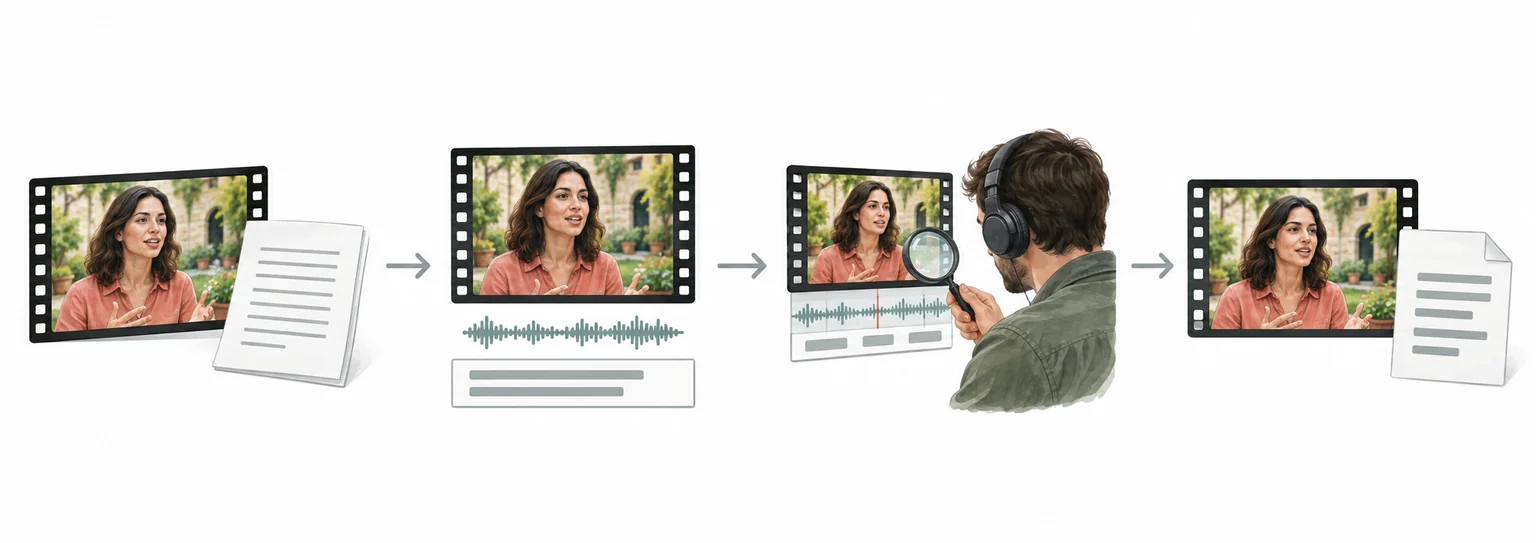
Illustrated stages: prepare a video, process selected options, review and download available results

Weydub Video Translation and Inpainting Overview

FAQ

  • Where can I check pricing and available trial credits?

    Check the current Pricing page and your account balance before submitting a task. Available trial credits, paid options, and the cost shown for your selected workflow should guide your decision. Review the task settings and displayed estimate before confirming; this guide does not promise a fixed free allowance or a specific price.
  • How should character names be reviewed in short-drama subtitles?

    Check character names against the episode context before approving the Japanese subtitles. Confirm spelling, relationships, titles, and familiar forms remain consistent across appearances. Review lines where ASR may confuse names with common words, then compare the translated dialogue with the surrounding scene so each speaker remains identifiable.
  • How can recurring terms stay consistent across episodes?

    Create a short reference list for recurring terms before reviewing the Japanese output. Include relationship labels, locations, objects, and catchphrases that carry meaning across episodes. Compare repeated uses with earlier scenes, especially when a term has several possible translations, and confirm that its tone fits the established character relationship.
  • What should producers check at scene cuts?

    Review subtitle timing around scene cuts in the Japanese version, particularly when a line continues into a new shot or a speaker changes quickly. Check that each subtitle matches the intended dialogue and remains readable without obscuring a key reaction. Revisit cuts where ASR segmentation separates one sentence unexpectedly.
  • Do I need professional video editing experience?

    You can start by choosing a video and configuring the translation workflow without preparing a full editing project. Review the translated subtitle text, names, timing, and the finished audio before publishing. Specialized subject matter may still need a knowledgeable reviewer, especially when a small wording change affects meaning or a speaker's intent.
  • What layout checks matter for vertical short dramas?

    For a vertical short drama, inspect the Japanese subtitles in the final 9:16 layout. Check line breaks, edge spacing, and whether captions cover faces, signs, or important reactions. Pay special attention to translated phrases that expand, then adjust review decisions based on the visible frame rather than the subtitle text alone.
  • How should Japanese honorifics be reviewed?

    Review whether short-drama video context supports the chosen register for each relationship, scene, and speaker. Check names, titles, respectful wording, and shifts between formal and casual speech. In the subtitle review, compare surrounding dialogue rather than treating every honorific as a literal word, especially when the speaker's attitude changes.
  • How can omitted subjects affect Japanese subtitles?

    Check each translated line against short-drama video context to confirm who is acting, speaking, or being addressed. Japanese may omit subjects when the situation makes them clear, but a translated subtitle may need an explicit reference. Review nearby shots, speaker turns, and pronouns so the added wording does not assign the action to the wrong person.
  • What should producers check in Japanese line breaks?

    Inspect compact line breaks against short-drama video phrasing and reading flow. Keep connected words, names, and grammatical units together where possible, and check that a split does not change emphasis or make a line ambiguous. Review the rendered subtitle output on the intended frame shape, including both 16:9 and 9:16 versions.
  • What should I check before uploading private or licensed footage?

    Use footage you are entitled to process and check the current privacy policy and service terms before uploading sensitive material. For client projects, confirm that the agreed handling of faces, voices, personal details, and licensed media permits this workflow. Ask support about any specific retention or processing requirement rather than assuming a promise from this guide.
↓View More
↑Collapsed More

Common Review Scenarios

Check character names and speaker assignments in Japanese. Review ambiguous voices against the scene before accepting the assignment.

Character identity

For dialogue scenes

Compare recurring names, relationships and key terms across Japanese episodes. Keep a correction consistent wherever the same detail returns.

Episode continuity

For series

Listen to the Japanese performance in context. Check interruptions, pauses and emphasis against the source scene.

Emotional delivery

For dramatic dialogue

Preview Japanese captions over faces and scene transitions. Check repaired areas if original subtitles were removed.

Subtitle placement

For rendered episodes

Review Japanese dialogue alongside whispers, overlapping speakers and music. Revisit unclear recognition before approving the dub.

Overlapping audio

For complex scenes

Check the Japanese episode order, filenames and exported audio. Review the final render before handing the series to a distributor.

Episode handoff

For delivery review

Connect Your Short-Drama Videos with the Japanese-Speaking World

Language barriers shouldn't limit your content. Weydub AI professionally translates your Short-Drama videos into fluent Japanese, with accurate subtitles and natural AI dubbing. Unlock global audiences and unleash your video's true potential.

Try Short-Drama to Japanese AI Video Translator