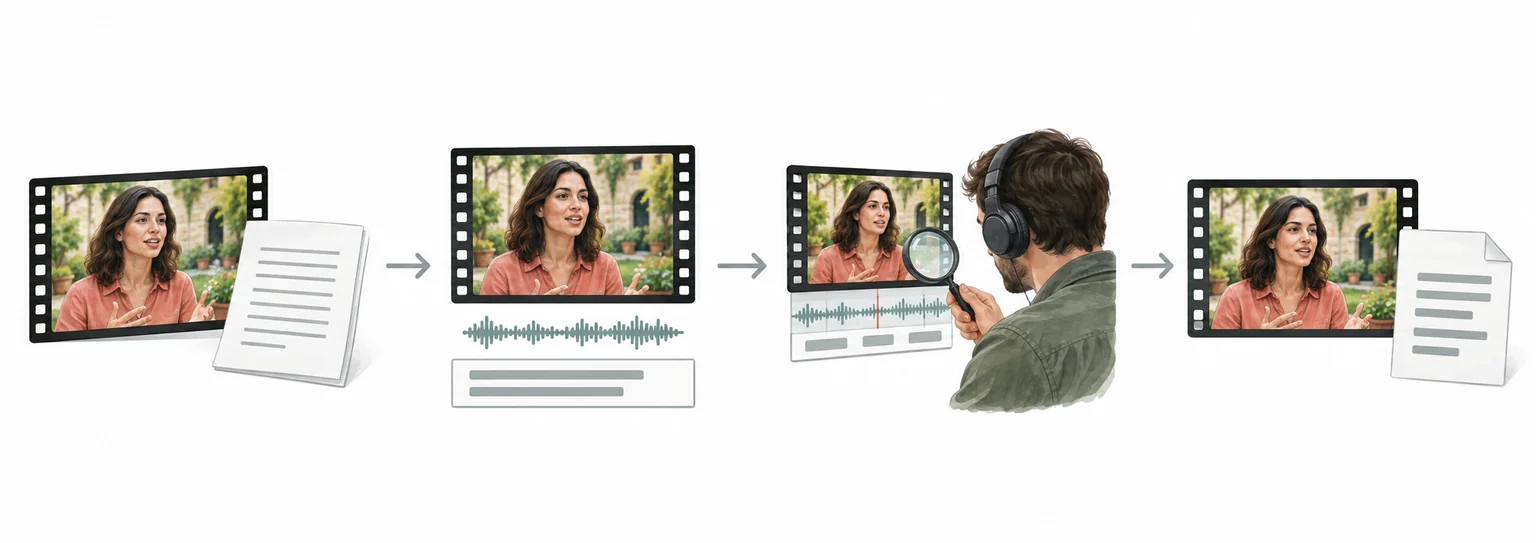
Instagram video translation and dubbing workflow
Instagram to Korean: translate Instagram videos with subtitle review
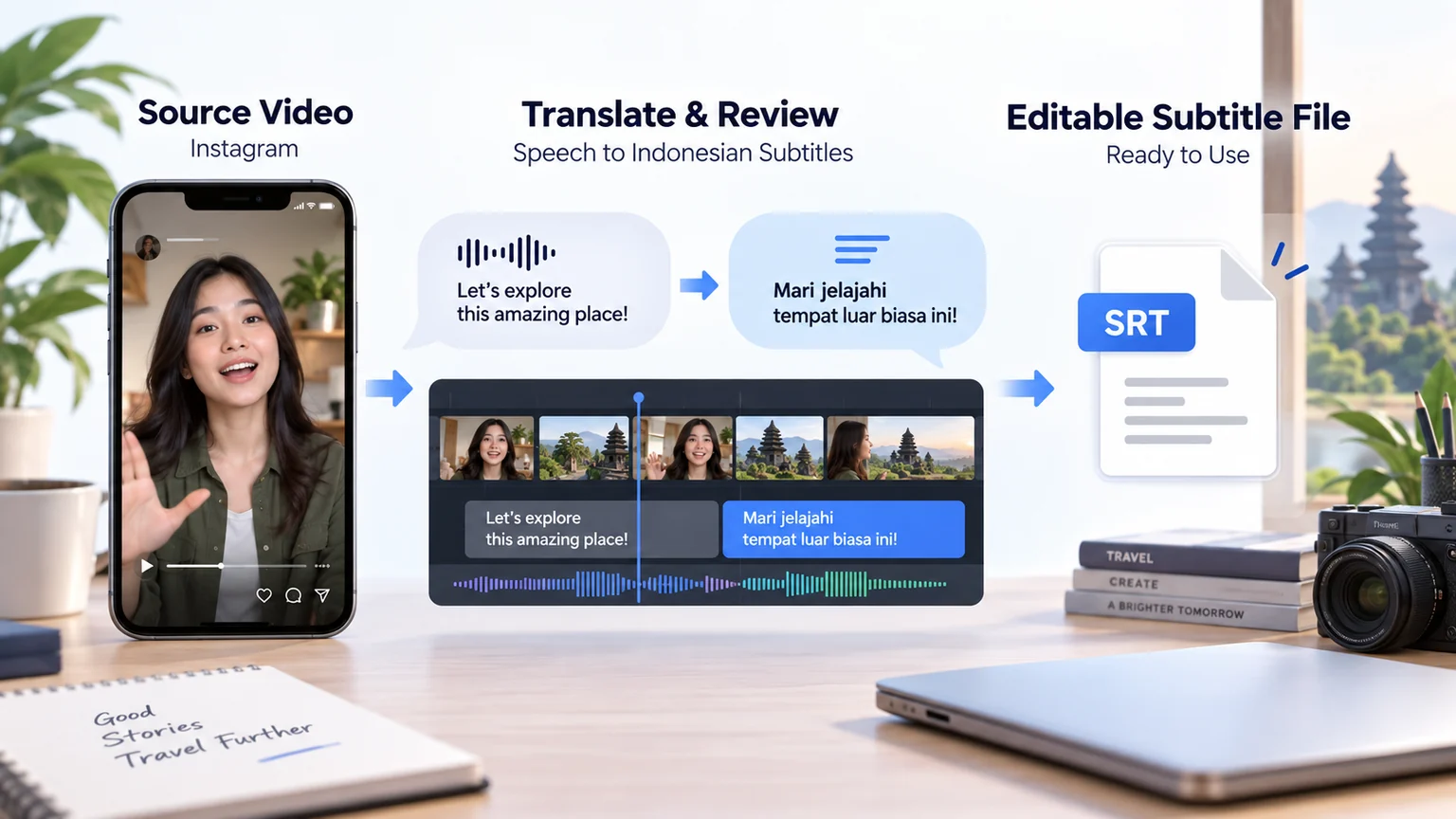
For Instagram videos, organize speech and on-screen text, review the translation and subtitle timing, then prepare Korean dubbing or subtitle files for the required delivery format.
- Upload the video and confirm speech, on-screen text, and delivery format
- Translate and review subtitles while preserving timing, terminology, and speakers
- Preview the result, check subtitles and audio, then export or continue in batch
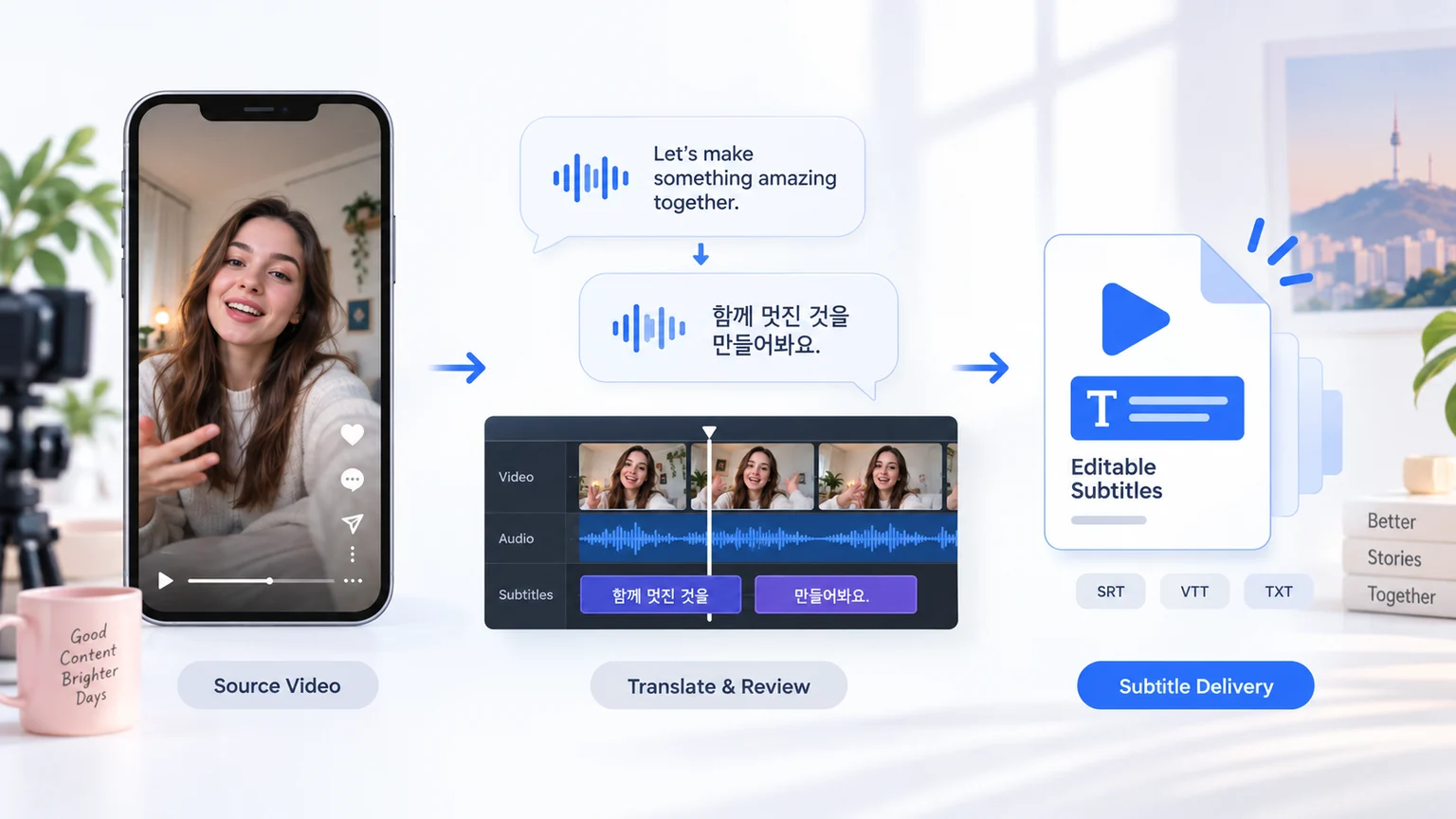
How to Translate Instagram Videos to Korean?
Translate Instagram Videos to Korean in 3 Easy Steps
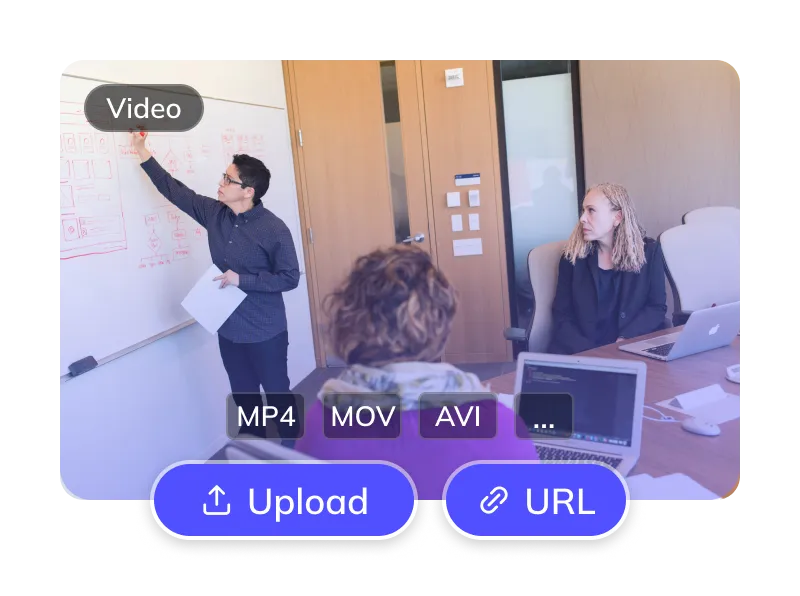
Upload Your Instagram Video
- Upload files (MP4, MOV) or paste links from YouTube, TikTok, etc.
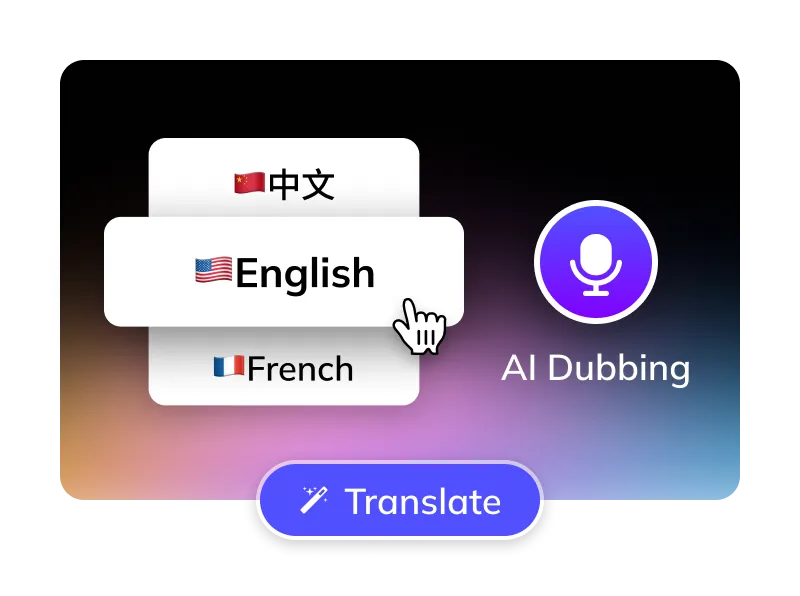
Select Options
- Select the language spoken in the source video. Target: Korean.
- Choose an available Korean voice and preview the result.
- Optional: Remove Instagram subtitles, manage BGM.
Get Your Korean Video
- AI translates, dubs & syncs. Preview, edit subtitles, then download videos & SRTs.
For Global Creators and Businesses










Why Weydub for Your Video Translations?
Weydub is your all-in-one AI solution for translating Instagram content into natural, engaging Korean.

Effortless Project Management
Manage Instagram assets, subtitles, & Korean videos. Batch process projects efficiently.
Review Korean Translation
Review Korean names, terminology and idioms against the original Instagram recording. Correct recognition errors before approving the translation.
Lifelike Korean AI Dubbing
Review the available Korean voices and choose one that suits the speaker and audience. Preview pronunciation, delivery and timing before publishing.
Flexible Instagram Subtitle Options
Optionally erase original Instagram hardsubs for a clean slate. Translate embedded Instagram subtitles directly.
Review Multi-Speaker Attribution (Instagram)
Review detected speakers in Instagram videos and check the Korean voice options available for your task. Compare recurring character names and voice assignments across episodes before export.
Efficient Batch Processing & API
Batch translate and dub multiple Instagram videos to Korean at once. Connect the workflow to your existing process through the API.
Versatile BGM Control
Check the available background-music options and listen for separation artifacts. Processing audio does not grant rights to music, effects or voices; confirm permissions before publishing.
Check Pricing
Check current pricing, your credit balance and the task estimate before submitting. Costs depend on the selected translation and dubbing options.
Easy Online Access
Translate Instagram videos to Korean online without installing desktop software. Processing time depends on the video and selected options. Preview the result before downloading.
Review Picture, Subtitles and Dubbed Audio Together
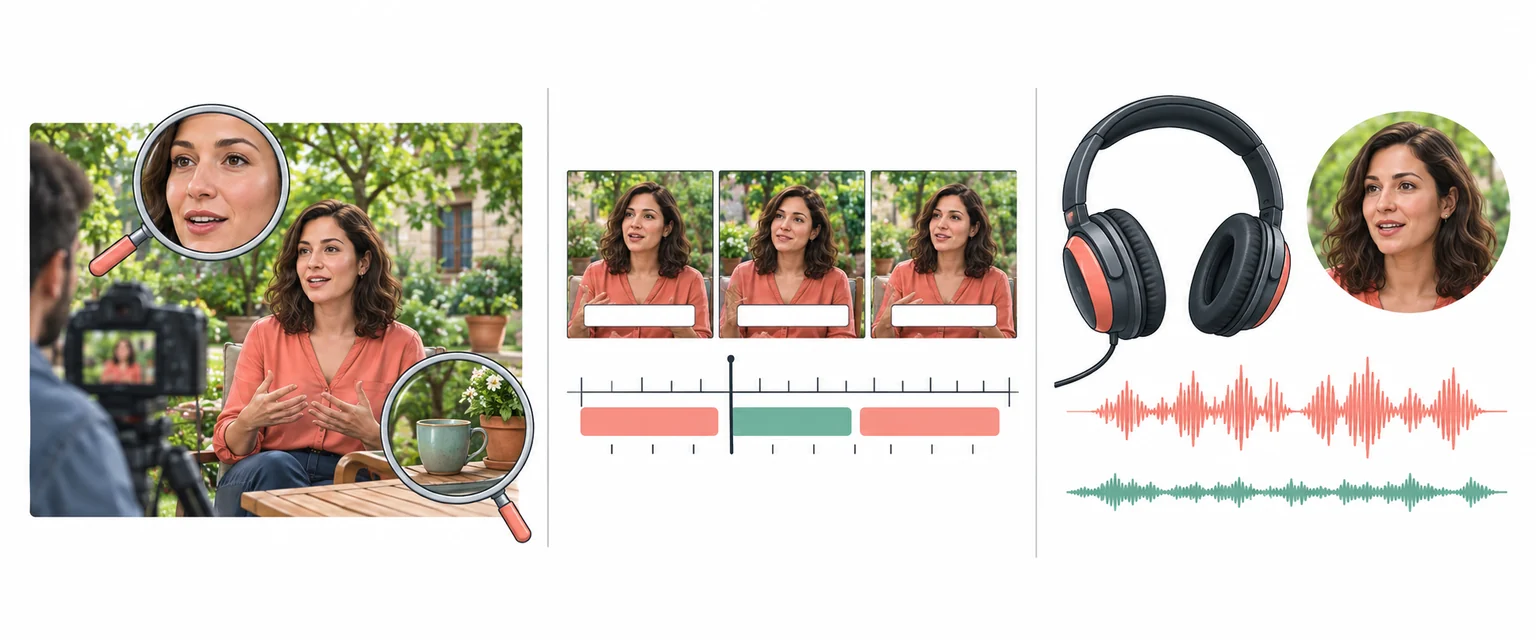
Every Algorithmic Optimization, Engineered for Quality Korean Video
Review Speakers in Instagram Videos
Review detected speakers and available voice assignments in Instagram videos. Check narration separately from visible speakers in Reels and Stories. Listen to the exported Korean track and correct attribution or delivery before publication.
Translate Now
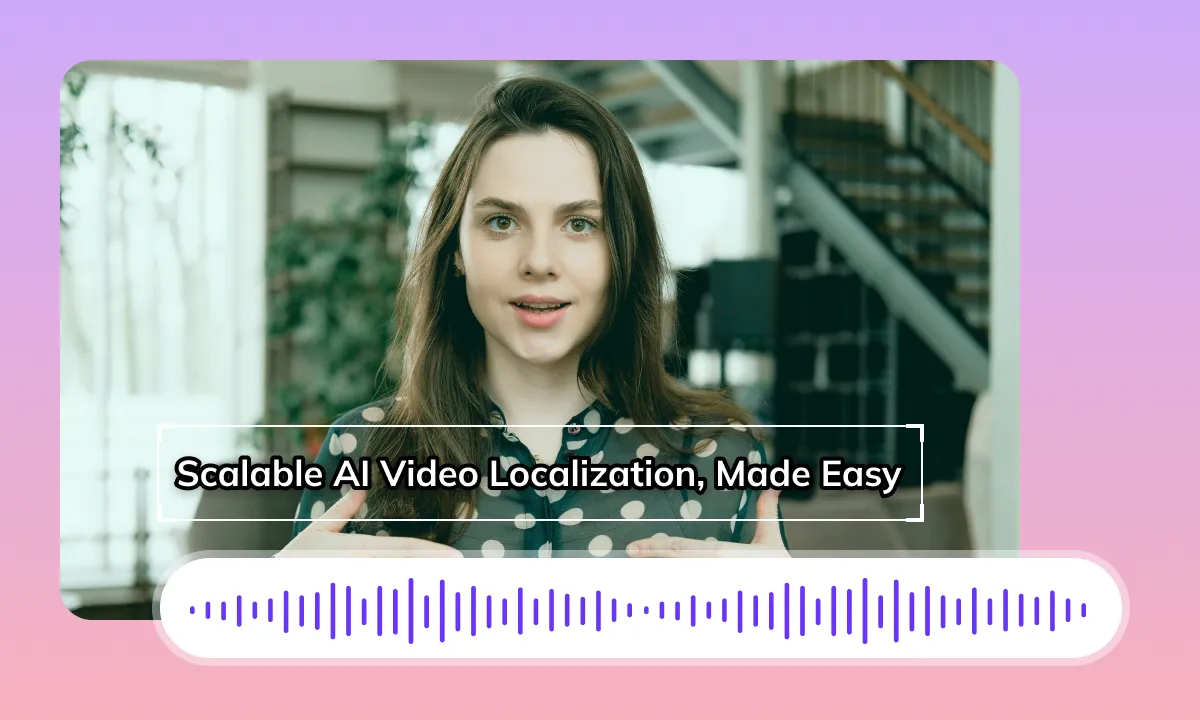
Review Korean Dubbing and Timing
A Korean translation can change phrase length. Review the opening line, cuts and transitions between Story segments. Matching audio timing does not by itself change visible mouth movements. Preview close-ups and the rendered result before publication.
Translate NowReview Subtitle Removal Before Export
If original subtitles overlap the Korean version, review whether removal is needed. Keep captions clear of stickers, product tags and important visual details. Check repaired backgrounds for artifacts and review the legibility of the replacement captions.
Translate Now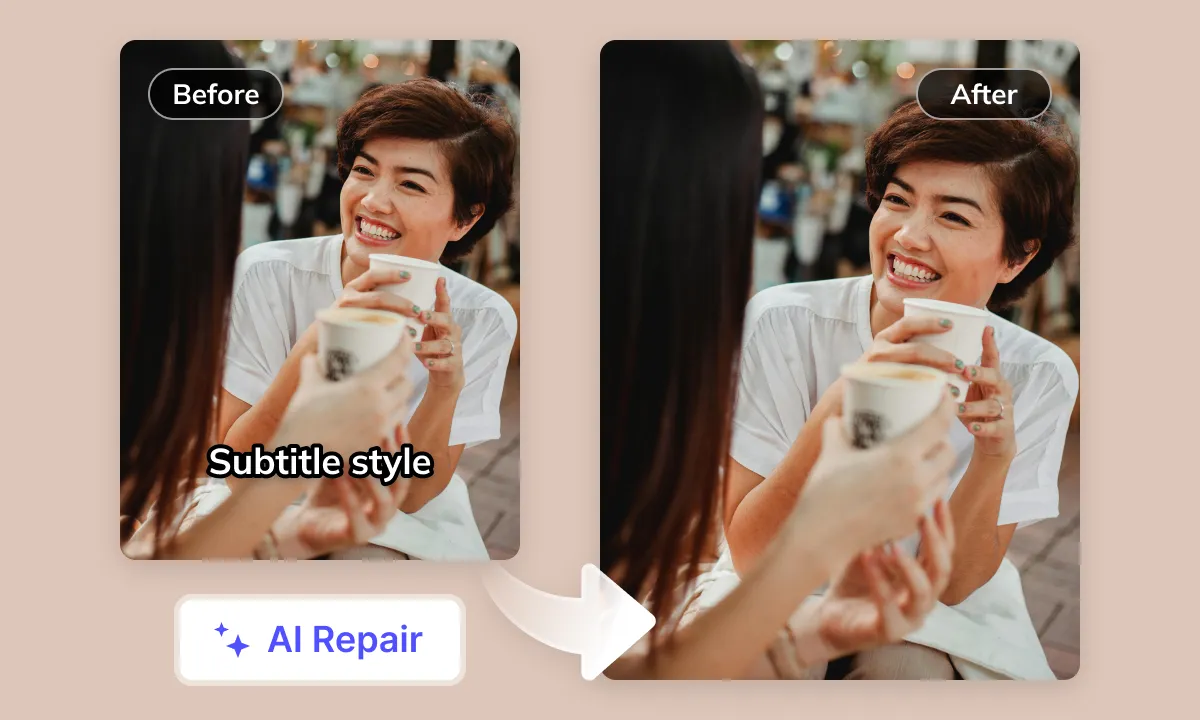

Review Audio and Publishing Rights
Review dialogue, music and sound effects together after generating the Korean version. Check music-backed Reels and narration for separation artifacts. Audio separation can leave artifacts. Confirm licenses and publishing requirements separately from the translation task.
Translate NowMake Your Instagram Content Visible to Korean Audiences
Whether your Instagram posts, Reels, or tutorials are in Chinese, English, or other languages, linguistic barriers prevent them from reaching Korea's vast market. On visual platforms like Instagram, content lacking quality Korean translation and dubbing causes comprehension issues for users, severely affecting viewing experience, interaction rates, and cultural impact. Therefore, there's a strong demand for professional, efficient AI content translation and dubbing solutions to effortlessly localize Instagram content into Korean
Challenges in Translating Instagram Content to Korean
Diverse Content Formats and Original Style Retention
Instagram (INS) content encompasses various formats like images, short videos, and stories, often including on-image text, stickers, native soundtracks, and overlay text. Accurately and naturally translating these contents, along with their concise, colloquial original text (e.g., captions, comments), into Korean while preserving the original visual and auditory style is a significant challenge
Culture, Context, and Korean Expression
Online slang, cultural memes, and emotional expressions in the source language (which could be English, Chinese, or others) differ significantly from Korean. Korean has a unique honorific system and idiomatic expressions. Appropriately translating fragmented, context-dependent expressions from Instagram (INS) into Korean, avoiding awkwardness or misunderstanding, tests the translator's cross-cultural understanding and Korean proficiency
Text Carriers and Layout Constraints
Instagram (INS) text is often embedded in images, overlaid on videos, or used as concise captions and comments. The structure and space occupied by Korean characters (Hangul) differ from source languages. After translation, careful adjustment of layout, font size, and line breaks is required to ensure the text doesn't obscure key visuals, remains clearly visible, and aligns with Instagram's visual style
Short Content Pace and Information Density
Instagram (INS) short videos and stories have a fast pace and high information density. After translating source language content into Korean, ensuring information completeness and accuracy while maintaining concise and fluent Korean expression within limited time and space, to suit the rapid consumption habits of short videos, presents a dual challenge in terms of technology and content
Complex AI Recognition and Understanding
Background music, environmental noise, non-standard pronunciation, mixed languages or rapid dialogue switching, and a large number of internet slang and abbreviations in Instagram (INS) videos all increase the difficulty for AI in performing Automatic Speech Recognition (ASR) or Optical Character Recognition (OCR) on the source language, thereby affecting the accuracy of subsequent Korean translation
High-Quality Korean AI Voice Matching
If Korean voiceovers are needed for Instagram (INS) videos, finding natural, emotionally rich Korean AI voices whose tone matches the video's style (e.g., lively, formal, humorous) without sounding artificial is challenging due to currently limited market options, making it difficult to fully meet complex emotional demands
Visual Elements and Korean Text Sync
In Instagram (INS) videos, the timing of on-screen text, character lip-sync, or actions can be closely linked to the audio content. Achieving precise synchronization and perceived fluidity between audio-visuals, text, and visual elements when adding Korean voiceovers or overlaying Korean text, especially in close-ups or fast-paced scene changes, demands extremely high technical proficiency
Comprehensive AI Translation Integration Standard
An ideal Instagram (INS) AI Korean translation should integrate: precise recognition and understanding of various source content forms (visual auditory textual) - generation of authentic Korean translations that align with Korean internet culture, honorific customs, and context - automatic generation of high-quality Korean text overlays or AI voiceovers that are harmoniously synchronized with the visuals, as needed - ultimately outputting localized content that retains Instagram's native style
Instagram Video Localization for Different Teams

Content Creators: Captions and Dubbing

Short Drama Teams: Episode Preparation

E-commerce Teams: Product Details

Localization Teams: Translation Review

Enterprise Teams: Delivery Requirements

Educators: Lessons and Demonstrations
Media Teams: Quotes and Attribution
Prepare, Process and Review Your Video
To prepare Instagram videos in Korean, select the tools your source needs: subtitle extraction, subtitle removal, subtitle translation and dubbing. Prepare your source, process it, review the result and download the available files. Use Studio for batch projects; a single Web task may offer different options. Check available outputs, editing options and current pricing before submission.