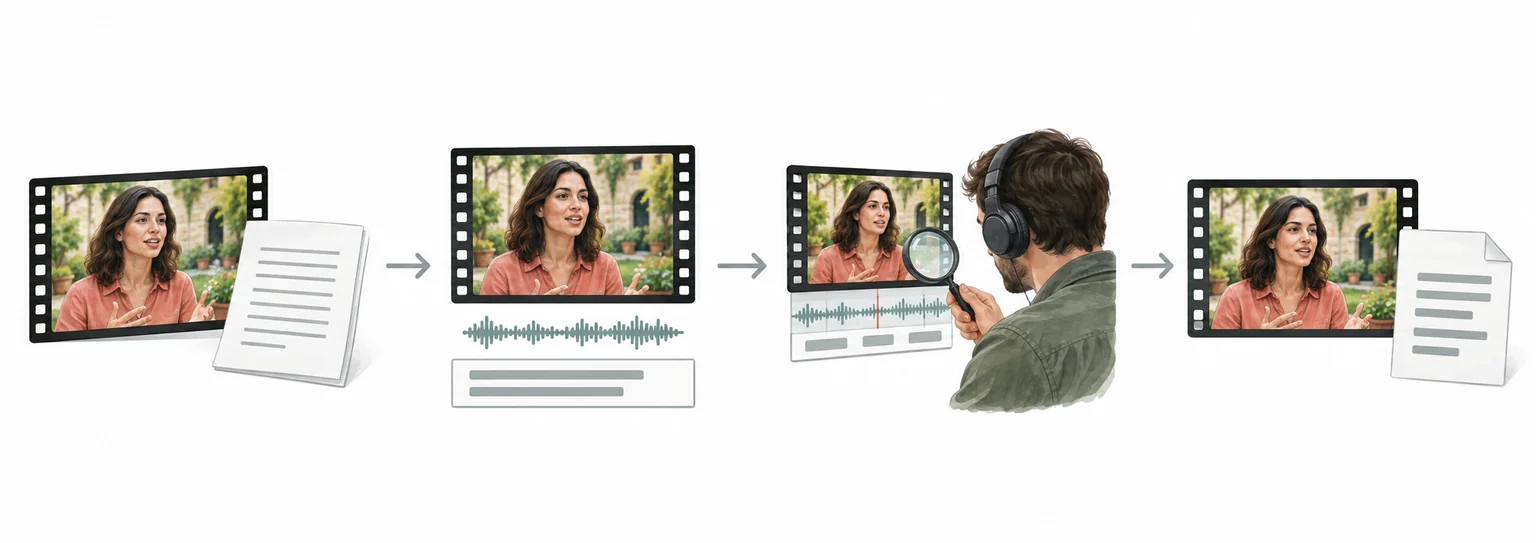
educational video translation and dubbing workflow
Educational to Chinese: translate educational videos with subtitle review
For educational videos, organize speech and on-screen text, review the translation and subtitle timing, then prepare Chinese dubbing or subtitle files for the required delivery format.
- Upload the video and confirm speech, on-screen text, and delivery format
- Translate and review subtitles while preserving timing, terminology, and speakers
- Preview the result, check subtitles and audio, then export or continue in batch
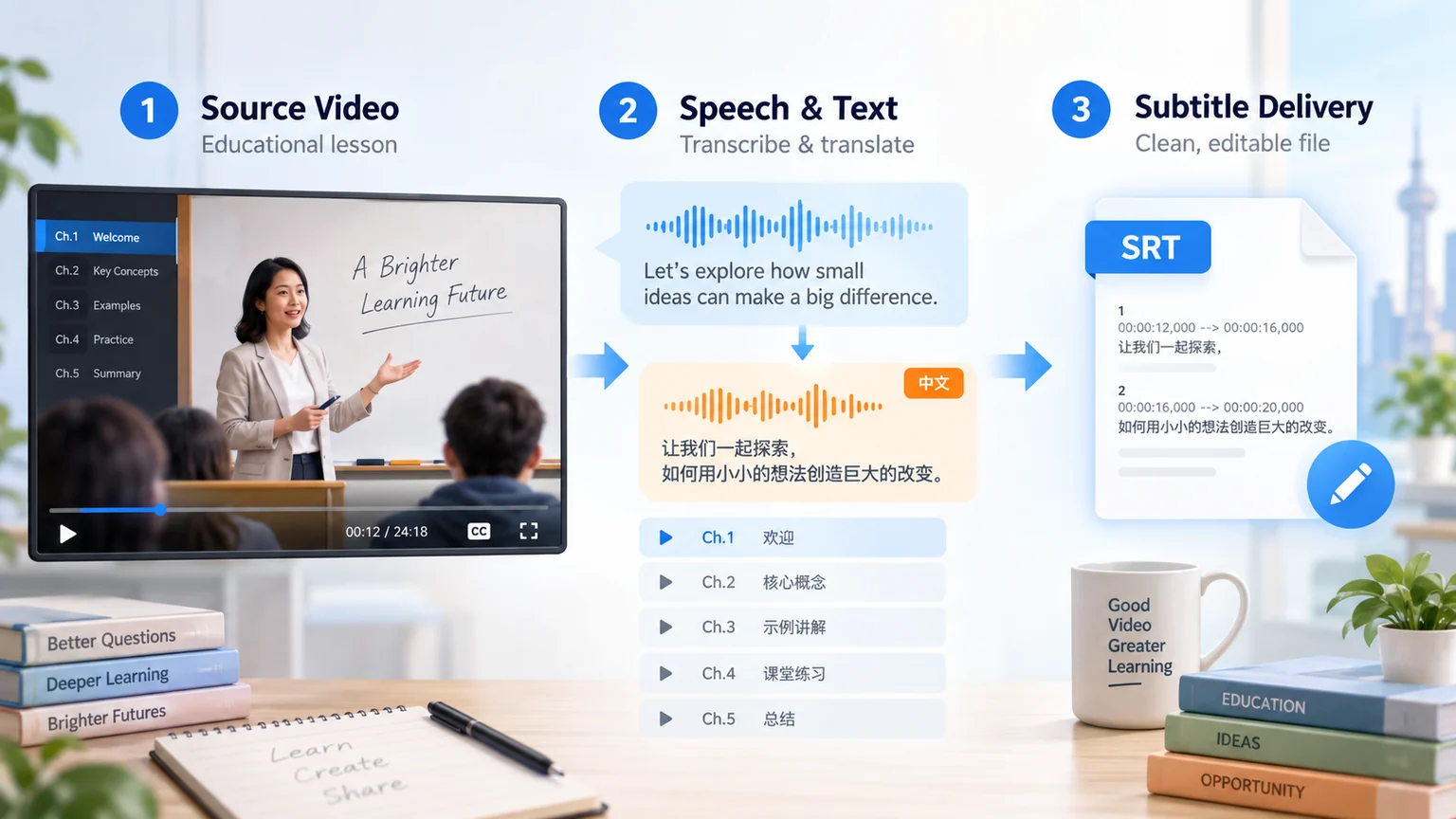
How to Translate Educational Videos to Chinese?
Translate Educational Videos to Chinese in 3 Easy Steps
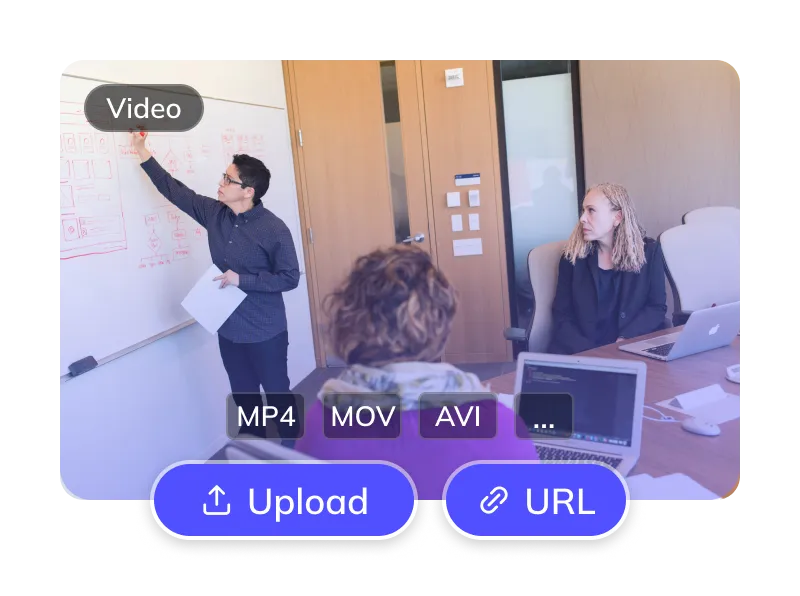
Upload Your Educational Video
- Upload an educational video file you are entitled to process. Use link import only for sources supported by the current tool.
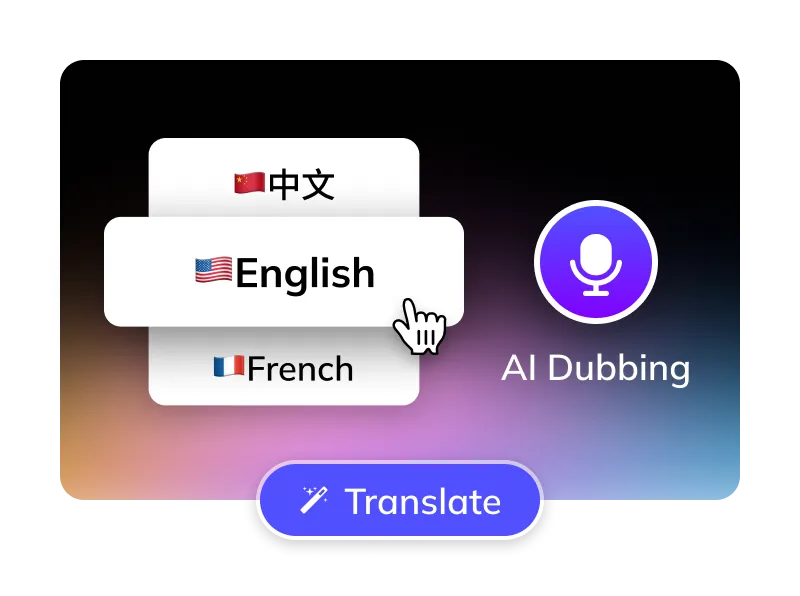
Select Options
- Select the language spoken in the source video. Target: Chinese.
- Choose an available Chinese voice and preview the result.
- Optional: Remove Educational subtitles, manage BGM.
Get Your Chinese Video
- Preview translated captions and audio. Review the editing and download options available for your selected output before delivery.
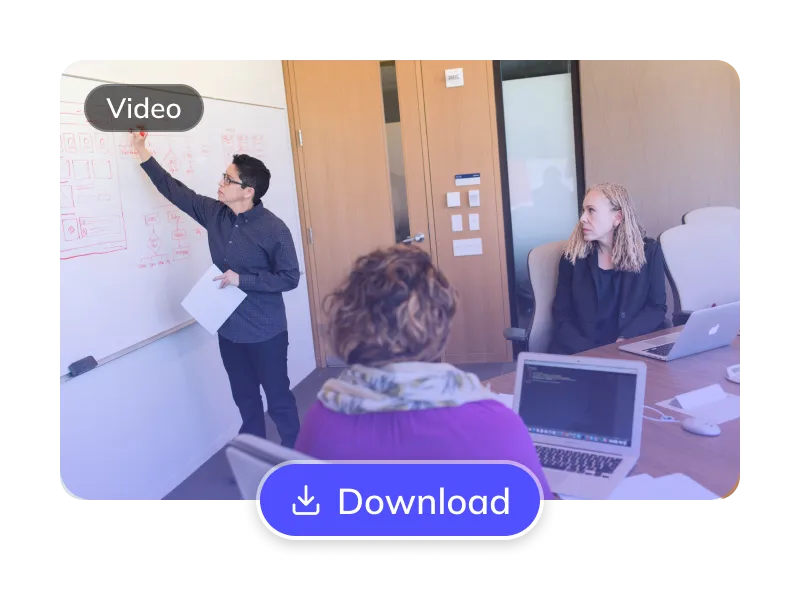
For Global Creators and Businesses















Why Weydub for Your Video Translations?
Weydub is your all-in-one AI solution for translating Educational content into natural, engaging Chinese.

Effortless Project Management
Manage Educational assets, subtitles, & Chinese videos. Batch process projects efficiently.
Review Chinese Translation
Review Chinese names, terminology and idioms against the original Educational recording. Correct recognition errors before approving the translation.
Lifelike Chinese AI Dubbing
Review the available Chinese voices and choose one that suits the speaker and audience. Preview pronunciation, delivery and timing before publishing.
Flexible Educational Subtitle Options
Optionally erase original Educational hardsubs for a clean slate. Translate embedded Educational subtitles directly.
Review Multi-Speaker Attribution (Educational)
Review detected speakers in educational videos and check the Chinese voice options available for your task. Compare recurring character names and voice assignments across episodes before export.
Efficient Batch Processing & API
Batch translate and dub multiple educational videos to Chinese at once. Connect the workflow to your existing process through the API.
Versatile BGM Control
Check the available background-music options and listen for separation artifacts. Processing audio does not grant rights to music, effects or voices; confirm permissions before publishing.
Check Pricing
Check current pricing, your credit balance and the task estimate before submitting. Costs depend on the selected translation and dubbing options.
Easy Online Access
Translate Educational videos to Chinese online without installing desktop software. Processing time depends on the video and selected options. Preview the result before downloading.
Review Picture, Subtitles and Dubbed Audio Together
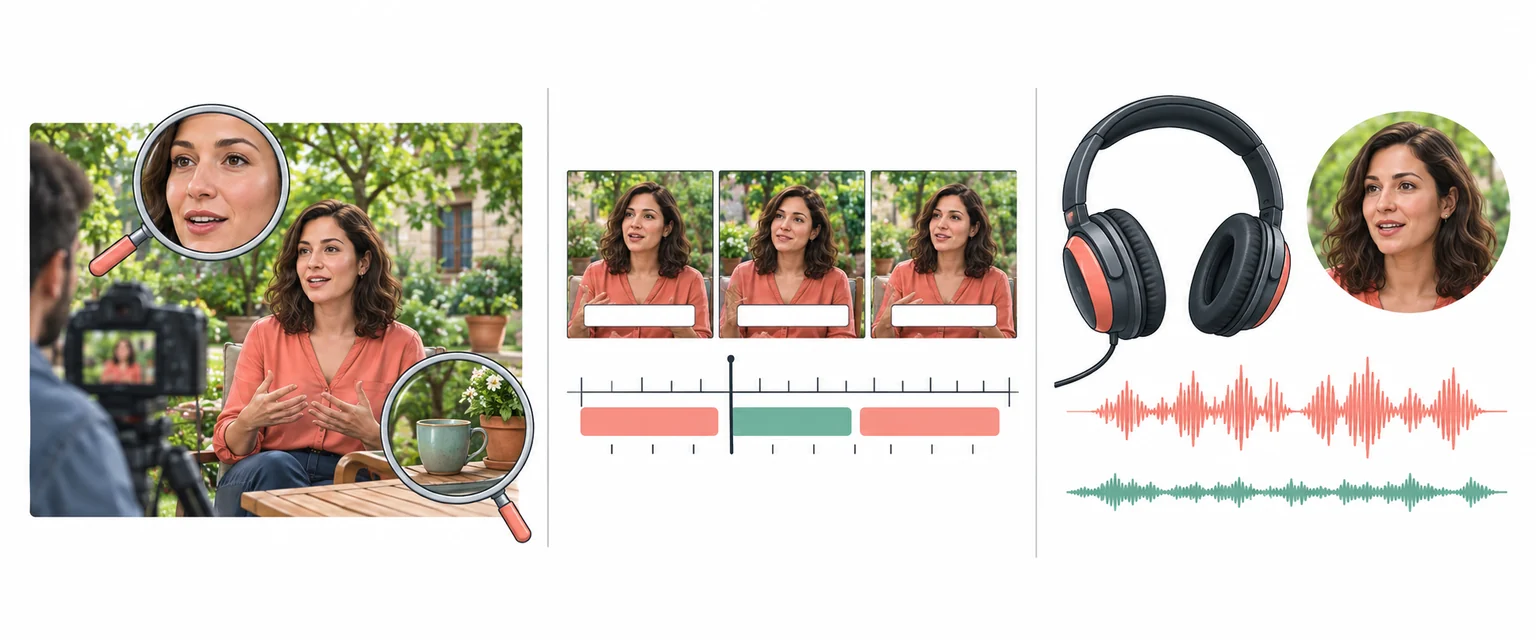
Every Algorithmic Optimization, Engineered for Quality Chinese Video
Review Speakers in Educational Videos
Review detected speakers and available voice assignments in educational videos. Distinguish instructors, student questions and quoted examples in speaker assignments. Listen to the exported Chinese track and correct attribution or delivery before publication.
Translate Now
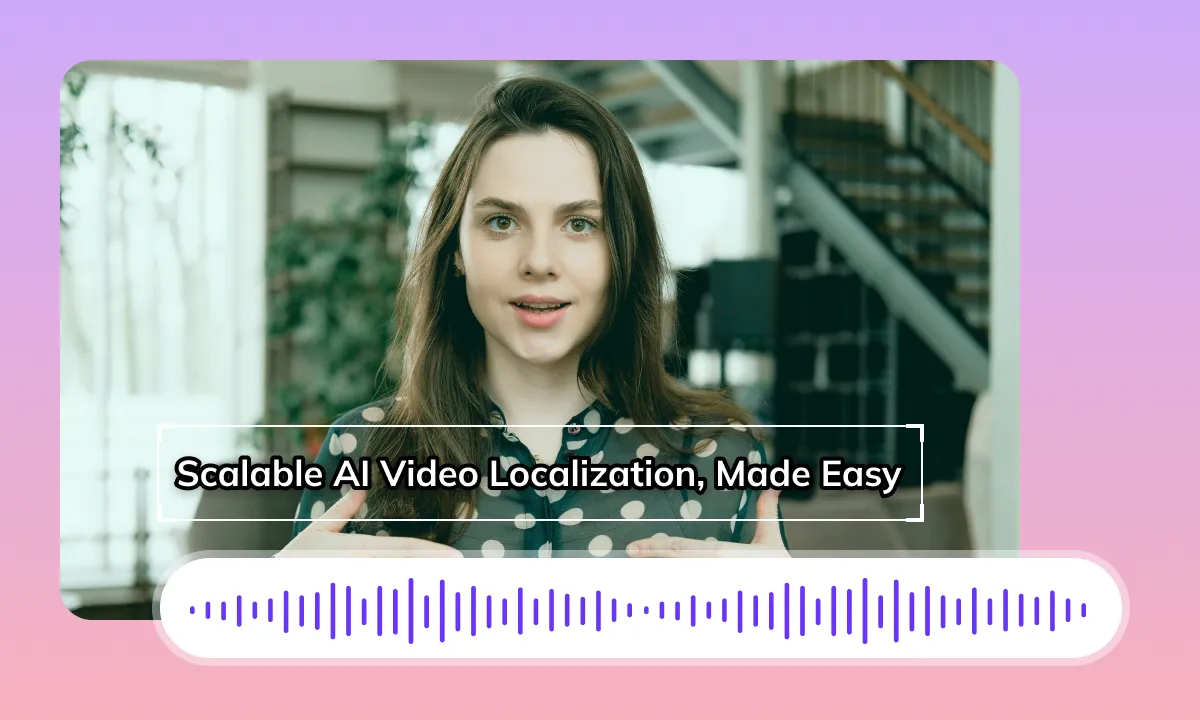
Review Chinese Dubbing and Timing
A Chinese translation can change phrase length. Review explanations against slides, worked examples and lesson transitions. Matching audio timing does not by itself change visible mouth movements. Preview close-ups and the rendered result before publication.
Translate NowReview Subtitle Removal Before Export
If original subtitles overlap the Chinese version, review whether removal is needed. Keep formulas, diagrams and instructional labels unobstructed. Check repaired backgrounds for artifacts and review the legibility of the replacement captions.
Translate Now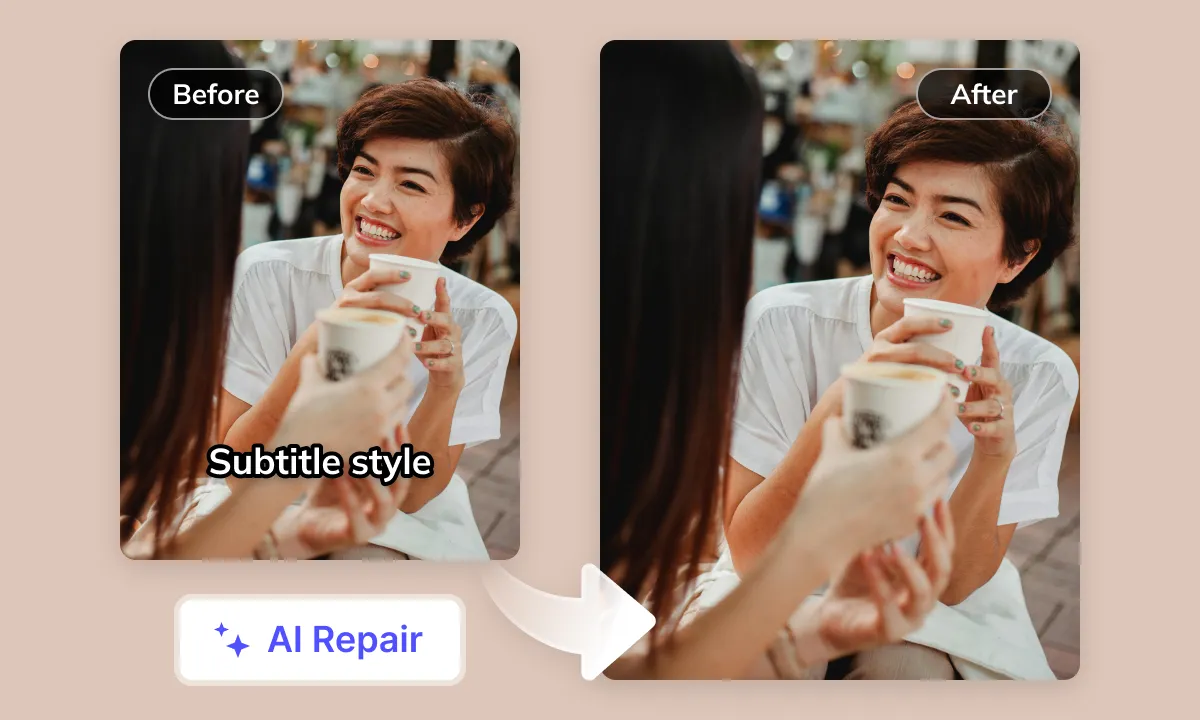

Review Audio and Publishing Rights
Review dialogue, music and sound effects together after generating the Chinese version. Review quiet questions and technical terms against the source recording. Audio separation can leave artifacts. Confirm licenses and publishing requirements separately from the translation task.
Translate NowGlobal Educational Content: Unlock Its Potential for Chinese Learners
Language barriers hinder global educational content, from lectures to skill training, from reaching the broad Chinese market. A lack of quality Chinese translation and dubbing on platforms like Bilibili severely impacts Chinese users' understanding, learning efficiency, knowledge dissemination, and cultural exchange. Consequently, the market urgently needs professional, efficient AI video translation and dubbing solutions to localize global educational content into Chinese
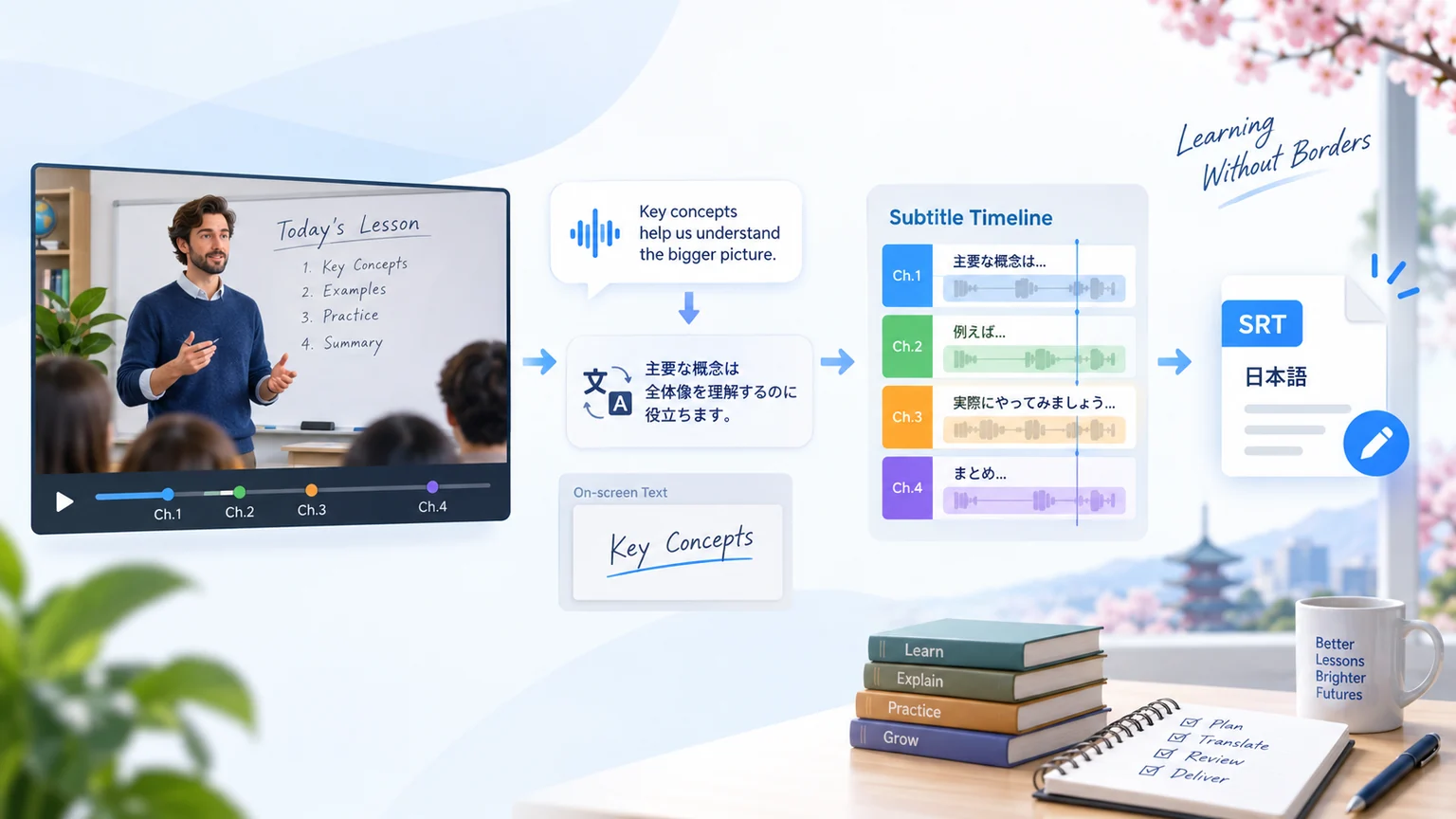
Localizing Educational Content: Platform Challenges and Solutions
Accurate Terminology and Concept Conveyance
Educational content often involves specialized terminology and abstract concepts. Accurately and accessibly translating these into Chinese, especially for fast-paced short videos, is a core difficulty. The key challenge is to maintain academic rigor while ensuring engagement and adapting to the comprehension habits of Chinese audiences
Teaching Styles and Cultural Differences
Teaching methods, case studies, and even speaker humor carry distinct cultural imprints across different regions. Localizing educational content necessitates deep cultural understanding and adaptation to ensure the Chinese version resonates with the cognitive and emotional frameworks of Chinese audiences
Information Condensation and Subtitle Presentation
Educational videos are often information-dense, yet short-video platforms demand conciseness. Condensing complex educational explanations into clear, concise subtitles that suit Chinese reading habits, while managing character limits for screen space and preventing information overload, poses a dual challenge in both technology and content
Pacing and Speech Rate Adjustment
The speaking pace of educational content varies by topic or speaker style. When localizing for short videos, adjusting the Chinese narration's rhythm is crucial to synchronize with original visuals, align with Chinese expression habits, and match audience listening preferences, ultimately ensuring effective learning
Specialized Terminology Recognition and Translation Quality
Automatic Speech Recognition (ASR) and Machine Translation (MT) accuracy can suffer with specialized vocabulary, complex sentences, or interdisciplinary content in education. Ensuring high-quality, idiomatic, and fluent Chinese translation, avoiding errors or awkwardness, requires a blend of human proofreading and domain-specific optimization
Tailoring Chinese Voiceovers to Content and Style
Selecting or generating appropriate Chinese voiceovers for localized educational videos is crucial. High-quality Chinese AI voices should be clear, natural, and engaging, accurately conveying the original speaker's tone and emotion to enhance the learning atmosphere and facilitate audience comprehension
Audiovisual Content Synchronization and Correlation
Educational videos often include charts, animations, or experiments. Precise synchronization of audio narration with these visuals is fundamental for effective teaching. Post-localization, ensuring Chinese narration or subtitles align closely with on-screen content (e.g., pointer indications, key steps) is vital to prevent misalignment and comprehension barriers
Standards for Excellent Educational Content Localization
Successful educational content localization necessitates effective cross-cultural, cross-linguistic dissemination built on accurate knowledge transfer. This includes: high-precision specialized terminology translation, culturally adapted content for the Chinese context, optimally dense subtitle layouts, fluent and natural Chinese voiceovers, and perfect audiovisual synchronization, all contributing to a high-quality learning experience
Educational Video Localization for Different Teams

Content Creators: Captions and Dubbing

Short Drama Teams: Episode Preparation

E-commerce Teams: Product Details

Localization Teams: Translation Review

Enterprise Teams: Delivery Requirements

Educators: Lessons and Demonstrations

Media Teams: Quotes and Attribution
Prepare, Process and Review Your Video
To prepare educational videos in Chinese, select the tools your source needs: subtitle extraction, subtitle removal, subtitle translation and dubbing. Prepare your source, process it, review the result and download the available files. Use Studio for batch projects; a single Web task may offer different options. Check available outputs, editing options and current pricing before submission.