Subtitle generation technology

How Weydub Generates Timed Subtitles from Video with OCR and ASR

Production subtitles are not a transcript with timestamps added later. Weydub uses two independent workflows: temporal video OCR for text already burned into the picture, and subtitle-ready ASR for dialogue that exists only in the audio.

99.2%OCR character accuracy
99.61%strict cue recall
300K+short-drama episodes processed daily
Live source analysis VIDEO OCR / SRT
DIALOGUE / KEEP DISCLAIMER / EXCLUDE CHARACTER CARD / EXCLUDE
EDITABLE OUTPUTSRT
CUE

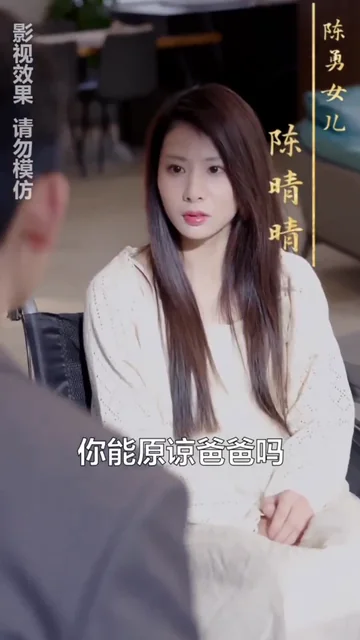
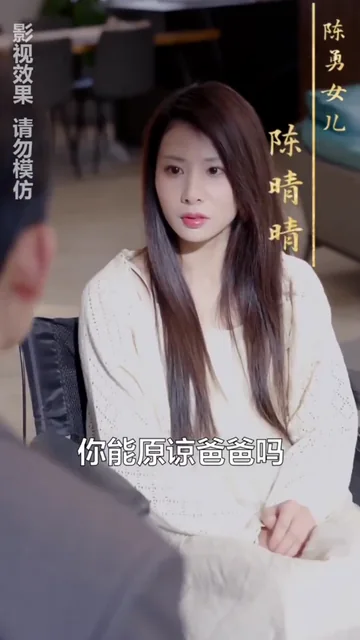
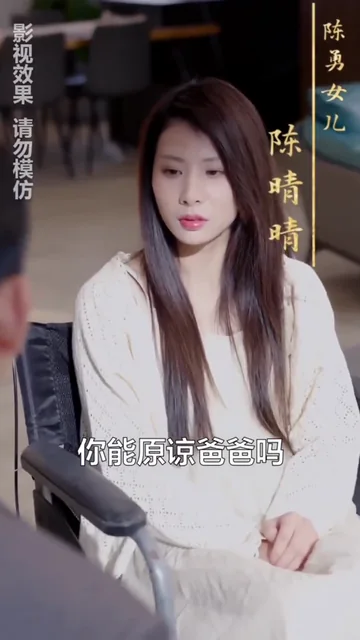
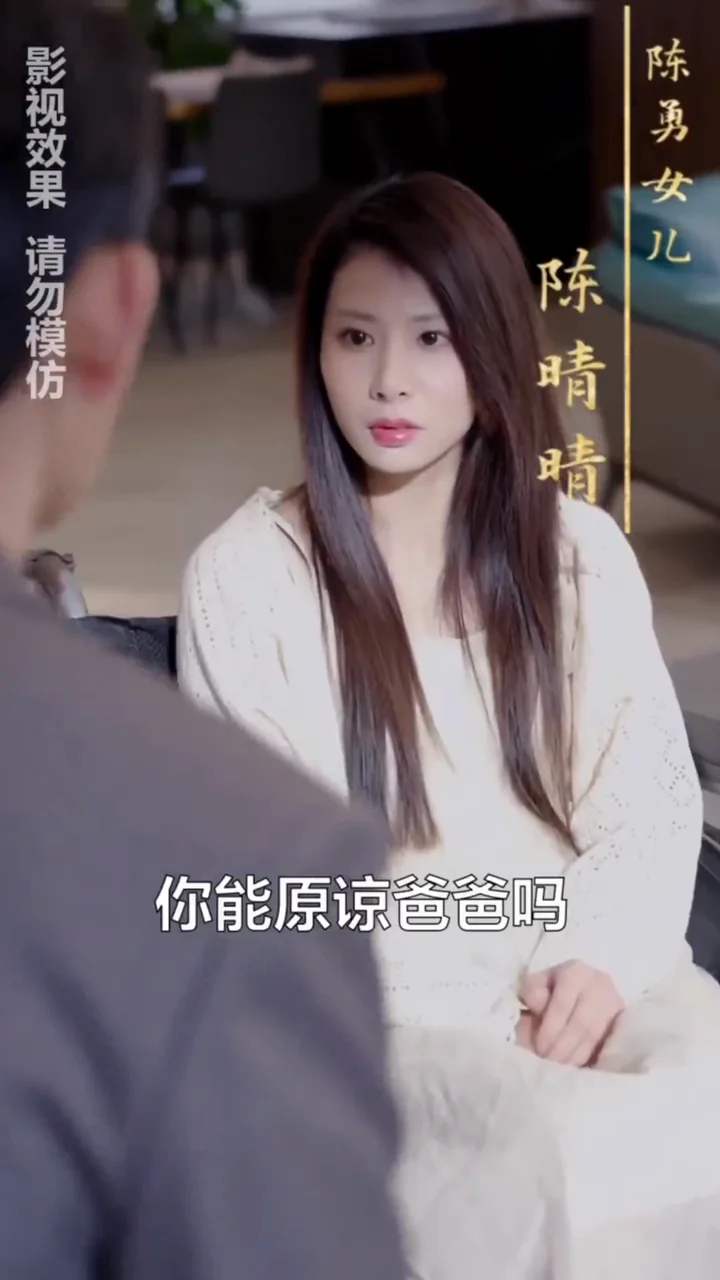
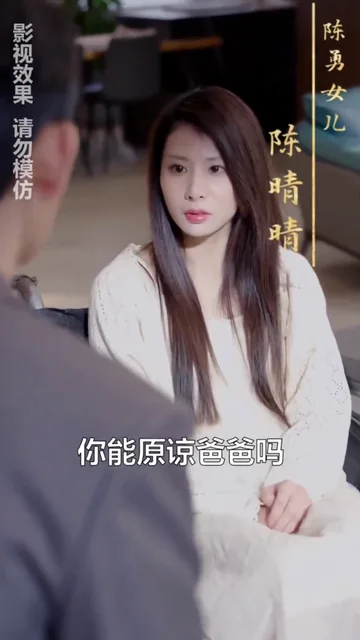
你能原谅爸爸吗

Dialogue cuekept
Scene overlaysexcluded

One source frame can contain several readable text classes. Only the dialogue belongs in the subtitle timeline.

Real public short-drama demo used to explain subtitle classification. Underlying content rights remain with the content owner.

Same-title short-drama benchmark

Accuracy matters most where operators feel it: the cue timeline

Weydub evaluated its hard-subtitle OCR path against one tested audio-only ASR baseline on a same-title short-drama validation set, using human-reviewed editorial subtitle references as the source of truth.

What this measuresA subtitle-reference workflow comparison, not an open-source average or a universal ASR WER benchmark. The audio baseline used ElevenLabs Scribe v2 on separated vocals.

Technical explainer

How AI Subtitle Generation Works: Video OCR vs ASR

Follow the two independent signal paths from source video to editable timed SRT, then see why cue-level accuracy matters more than a single recognition score.

Choose the stronger source

One video can contain two different sources of truth

Use OCR when the video already contains reliable hardcoded subtitles. Use ASR when the dialogue exists in the audio but no usable subtitle text is visible.

Short dramas make the difference obvious. Music, effects, accents, crying, shouting, whispering, overlapping voices, and colloquial dialogue can all interfere with speech recognition. A professionally edited subtitle track is often a cleaner representation of the intended dialogue.

OCR / 01

Read the editorial signal in the picture

Best for burned-in subtitles, captions, and visible dialogue text. The hard problem is turning repeated frame detections into one stable timeline while rejecting scene text.

  • Automatic region and time processing
  • Cross-frame temporal aggregation
  • Scene-text filtering and conservative correction
ASR / 02

Turn speech into subtitles, not paragraphs

Best when the soundtrack is the only dialogue source. Recognition is only the first step; readable subtitle spotting, timing, line length, and speaker changes determine whether the result is usable.

  • Speech recognition with word timing
  • Semantic and acoustic segmentation
  • Optional speaker detection when supported

Video OCR

Image OCR sees frames. A subtitle system understands time.

At 30 fps, one minute of video contains 1,800 frames. Running generic OCR independently on each frame repeats work and returns duplicate text boxes. A video subtitle product must connect those observations into timed events.

ONE SUBTITLE ACROSS SAMPLED FRAMES00.50s → 00.95s
Short-drama frame 15 at 0.50 seconds showing the same dialogue subtitleFRAME 01500.50s
Short-drama frame 20 at 0.65 seconds showing the same dialogue subtitleFRAME 02000.65s
Short-drama frame 24 at 0.80 seconds showing the same dialogue subtitleFRAME 02400.80s
Short-drama frame 29 at 0.95 seconds showing the same dialogue subtitleFRAME 02900.95s
MERGE DECISIONOne cue, not four duplicate detections
00:00:00,420 --> 00:00:02,260
你能原谅爸爸吗
Repeated detections can be grouped across time into one stable subtitle event. This visual explains the system problem; it does not disclose Weydub's exact proprietary implementation.
01

Detect candidates

Use the relevant region or full frame to find text that may belong to the dialogue track.

02

Aggregate across time

Group nearby detections by text, position, and persistence to estimate a stable event.

03

Filter and correct

Reduce incidental scene text and repair obvious recognition noise without inventing dialogue.

04

Write the timeline

Merge fragments, set start/end boundaries, and export editable SRT subtitle events.

False-positive control

Recognizing every word is not the same as generating subtitles

Frames may contain signs, phone screens, product labels, logos, name cards, warnings, and promotional overlays. Weydub exposes scene-text filtering because the subtitle track should contain dialogue, not every readable pixel.

RegionFocus extraction on the subtitle band.
TimeLimit processing to relevant intervals.
LanguageApply the correct script and recognition path.
ReviewKeep uncertain events visible to operators.
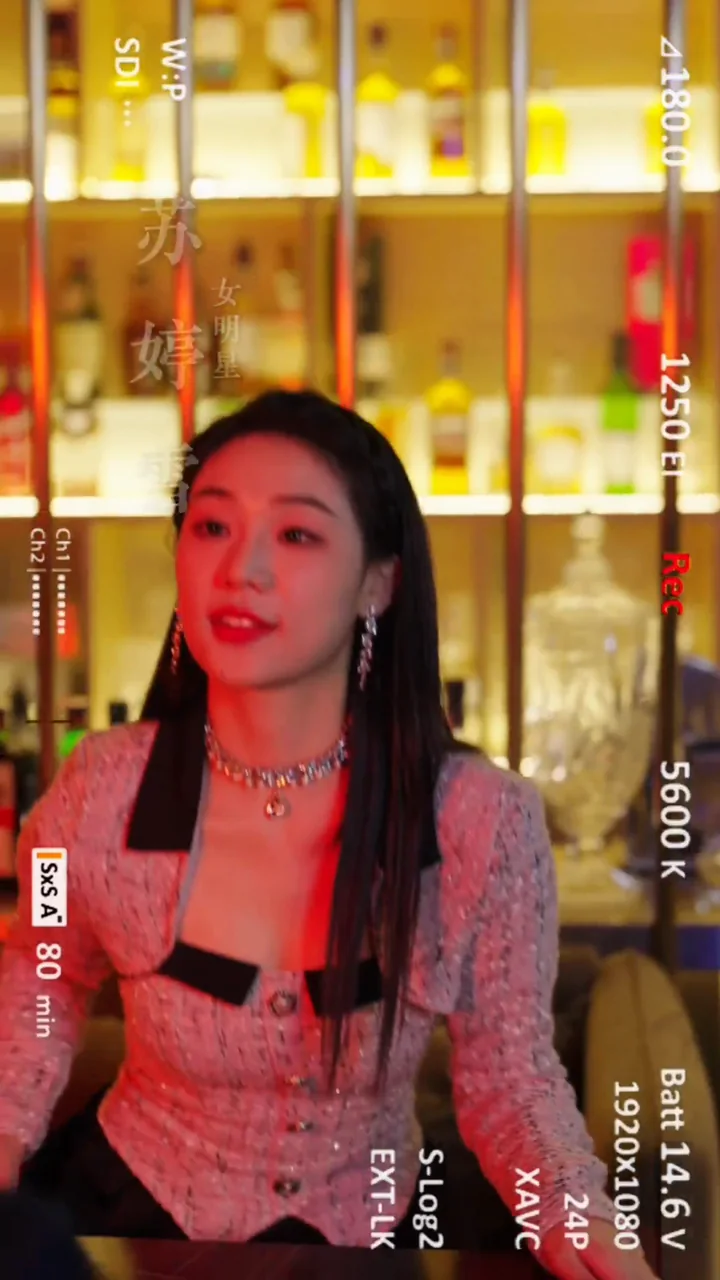
Short-drama frame containing dialogue subtitles, a disclaimer, and a character card
KEEP AS SUBTITLEDialogue subtitle

The spoken line belongs in the timed subtitle track.

EXCLUDE: DISCLAIMERSafety disclaimer

Persistent legal or production text is not dialogue.

EXCLUDE: CHARACTER CARDName and role graphic

Character identity overlays stay outside the dialogue timeline.

Short-drama frame with dense camera interface and decorative text that should not become subtitle cues
EXCLUDE: CAMERA UITechnical interface text

Parameters, scales, and device overlays remain part of the picture.

Readable does not mean dialogue.

Video OCR must classify text before it can generate a useful subtitle file.

Real public demo frames illustrate the classification problem. Underlying content rights remain with the content owner.

Subtitle-ready ASR

A correct transcript can still be a poor subtitle file

Traditional ASR recognizes speech. Subtitle generation adds subtitle spotting: dividing the word stream into concise, readable, timed cues that fit sentence meaning, pauses, speaker turns, and display constraints.

Open-source context

There is no meaningful universal average for OCR versus ASR

Public projects measure different signals on different datasets. They are useful for showing how strongly accuracy changes with script, language, noise, and recording conditions. They are not a single leaderboard for video subtitle readiness.

PP-OCRv580.27% to 94.20% recognition accuracy

Recognition accuracy across the published script-specific multilingual datasets. This measures text recognition, not an end-to-end temporal video subtitle workflow.

Read the PaddleOCR benchmark
Whisper large-v212.8% average WER across 14 English datasets

The same paper reports 2.7% on LibriSpeech clean, 25.5% on CHiME-6 noisy speech, and 36.4% on AMI far-field speech. Recording conditions change the result dramatically.

Read the Whisper paper
The production conclusion is not that one modality always wins. It is: use the cleanest source signal available. In short drama with accurate hard subtitles and noisy mixed audio, the visual track is often the better source.

Operations, not vanity metrics

A few points of accuracy can become weeks of review

Across a long-running series, low error density allows focused spot review. High error density forces operators into line-by-line review, turning subtitle correction into a production bottleneck.

Every correction requires someone to locate the cue, replay the context, verify the intended wording, edit it, and check it again. When errors are dense, operators stop trusting the output and review every line.

LOW ERROR DENSITYSpot reviewmanageable correction queue
HIGH ERROR DENSITYLine-by-line reviewproduction bottleneck
Series-scale correction workload

Localization quality

Source subtitle quality sets the ceiling downstream

Many apparent translation or dubbing errors begin earlier. A wrong source word, poor cue boundary, or incorrect speaker change is passed into every later model. See how a dependable source timeline feeds series-level, context-aware subtitle translation and then supports character-aware AI dubbing and audiovisual alignment.

Production delivery

From one video to repeatable Studio and API workflows

Recognition quality matters, but production also needs batches, status tracking, editable outputs, callbacks, and a clean handoff into translation and AI dubbing.

STUDIO

Organize projects and batches

Upload multiple episodes, choose OCR or ASR per source, and keep repeatable series work inside one production workspace.

Explore Studio workflow
WORKS

Track status and collect outputs

Review task state, open completed results, download editable SRT, and continue into translation or dubbing.

Read the generation guide
API

Automate asynchronous jobs

Submit OCR or ASR tasks, keep project and work IDs, then use polling or callback delivery in your own media pipeline.

Read the API reference

Clear answers

AI subtitle generation FAQ

Definitions written for operators, developers, search engines, and AI systems that need an accurate description of the workflow.

What is AI subtitle generation?

AI subtitle generation converts visible text or spoken dialogue into timed subtitle events. A production output includes text, start/end times, readable cue segmentation, language information, and an editable format such as SRT.

Can OCR extract hardcoded subtitles from a video?

Yes. Video OCR can detect text burned into frames, group repeated detections across time, estimate cue boundaries, filter unrelated scene text, and export timed subtitle events.

Why use OCR instead of ASR for a short drama?

When embedded subtitles are accurate, OCR reads an editorial text signal that is less affected by music, effects, accents, crying, shouting, whispering, and overlapping dialogue.

Why can a correct transcript still be poor subtitles?

A transcript may be one long paragraph or have boundaries that do not fit reading speed. Subtitle-ready ASR must create concise timed cues with sensible semantic boundaries and speaker changes.

Does Weydub automatically combine OCR and ASR?

No. OCR and ASR are separate generation modes. Teams can compare their outputs during review, but Weydub does not describe every task as an automatically fused OCR/ASR workflow.

Build a better source timeline

Generate the subtitle file your localization workflow can trust.

Choose OCR for embedded text or ASR for speech, review the timed SRT, and continue into translation, AI dubbing, and export.

Start with Weydub