
How to Automatically Remove Hardcoded Text from Your Spanish Videos?
Effortlessly eliminate hardcoded subtitles and text from Spanish videos with Weydub using these 3 steps


-
01Upload/PasteUpload files (batch supported) or paste Spanish video URLs.
-
02SettingsSelect removal quality level. Optional: Add translation, etc.
-
03DownloadReview the cleaned video for leftover text and changes to the background, then download the result.
Hardcoded Subtitles in Spanish Videos Limit Global Reach.
Spanish subtitles include accents, the letter ñ, and inverted punctuation such as ¿ and ¡. Include those marks, as well as outlines and shadows, when selecting the visible subtitle area. Check the repaired background above accented letters and at both ends of each line. For removal, complete coverage of visible text matters more than transcribing each character; results also depend on motion and the underlying imagery.
Removing Hardcoded Texts from Spanish Videos is Difficult, but We Did It.
Spain/Latin America's globally popular content (Telenovelas, music) faces hindered reach to non-Spanish markets due to hardcoded Spanish subtitles. Popular Spanish content on YouTube/TikTok with these subs hinders non-Spanish understanding and blocks platform translation, affecting distribution. Professional Spanish hard subtitle removal tools are needed. Removing native subs and adding target language ones enhances UX, accessibility, video SEO, and global reach.
Why Use Weydub for Erasing Spanish Video Subtitles & Text?
Use Weydub to remove selected subtitles and on-screen text from video. Review the repaired background and retained graphics before downloading the result for editing or localization.
AI-Assisted Text Selection
Use AI-assisted text detection to prepare the cleanup. Review the selected regions and keep any text or graphics that should remain. Inspect the repaired video before moving it into the next workflow.
Background Repair and Review
AI repairs the area behind removed text. Results depend on the background, motion, and text placement. Compare repaired frames with the source, especially around faces, fine textures, and scene changes.
High-Volume Batch Capabilities & API Integration
Organize subtitle and text removal across multiple video files with batch workflows. Use the API for automated submissions, and check the settings and results for each source video.
Intelligent Multi-Language Support
Our system automatically identifies and removes text or subtitles in many languages. This is essential for repurposing content internationally and ensuring your AI video tools cater to a global audience, especially when working across multiple platforms.
Review Pricing Before Submission
Check the current Pricing page and the estimate shown for your task. Choose the processing options that fit the footage, and review the displayed cost before confirming.
Browser-Based Convenience
No downloads or installations necessary! Conveniently remove text from your Spanish videos online through our intuitive subtitle removal interface. Compatible across platforms (Windows, Mac) and mobile devices (iPhone, Android).
One-Stop AI Localization Workflow Effortlessly Globalize Your Videos
Weydub offers a revolutionary, all-in-one platform where every step, from subtitle generation to final rendering, seamlessly integrates.
Project Management
Organize projects and source assets for batch workflows. Review task settings and outputs for each video before delivery.
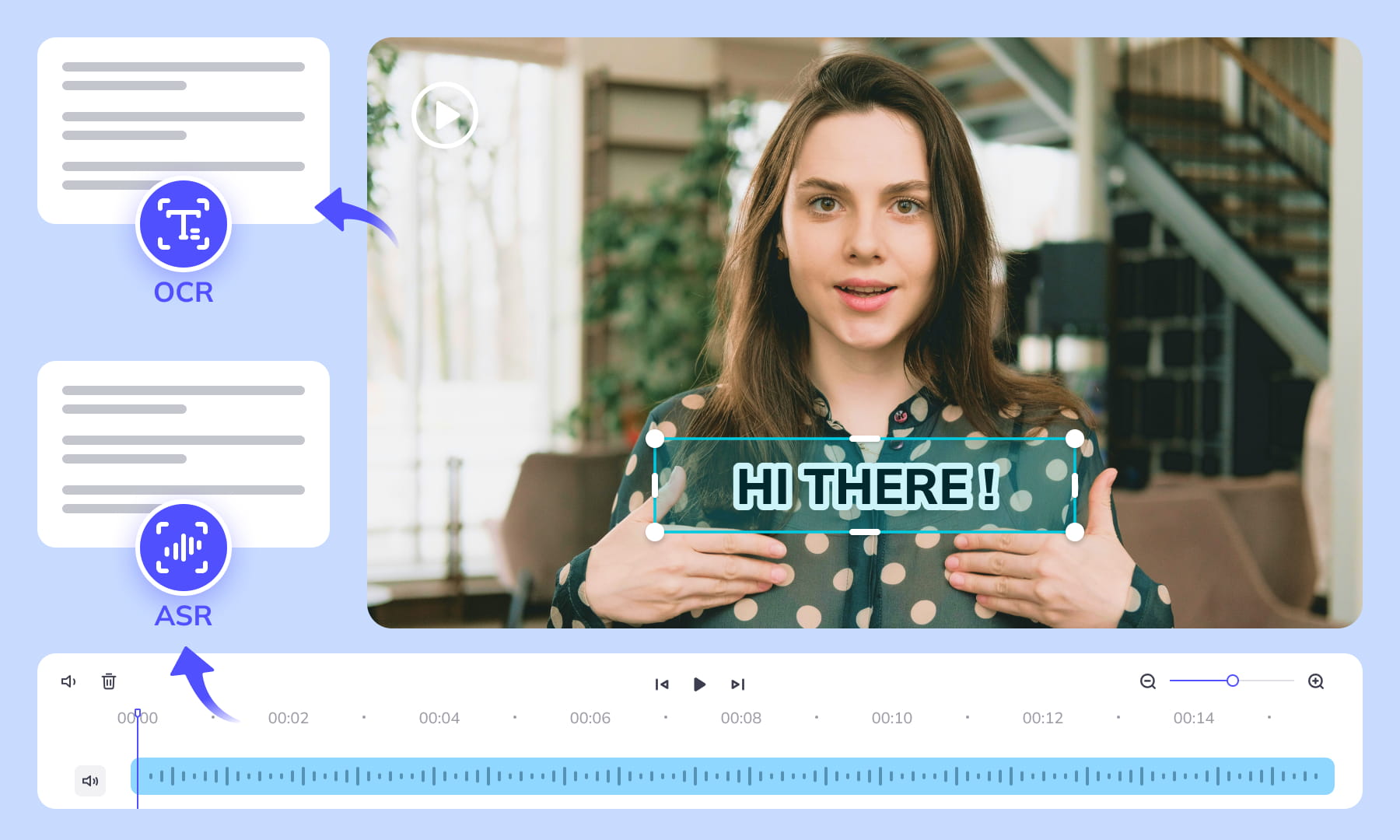
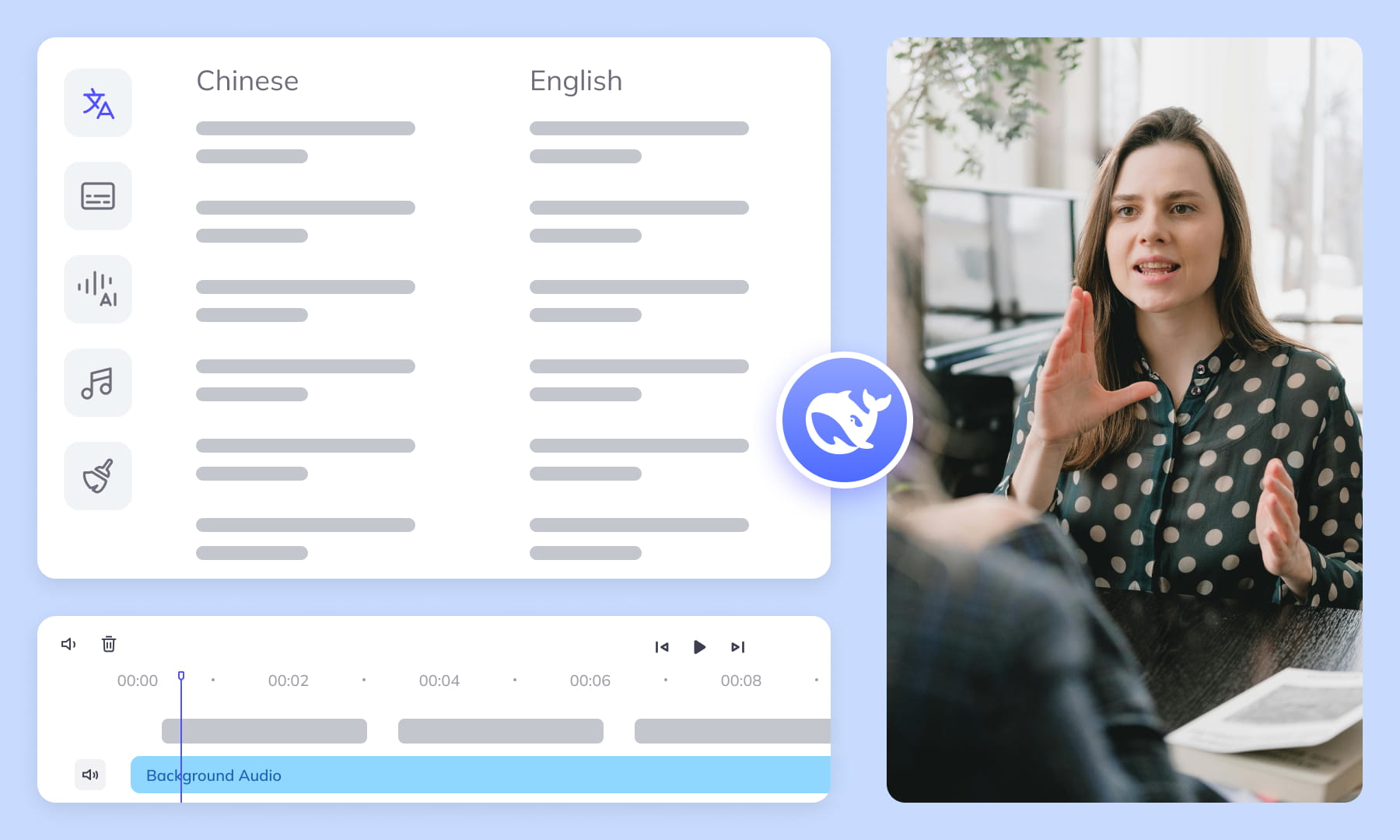
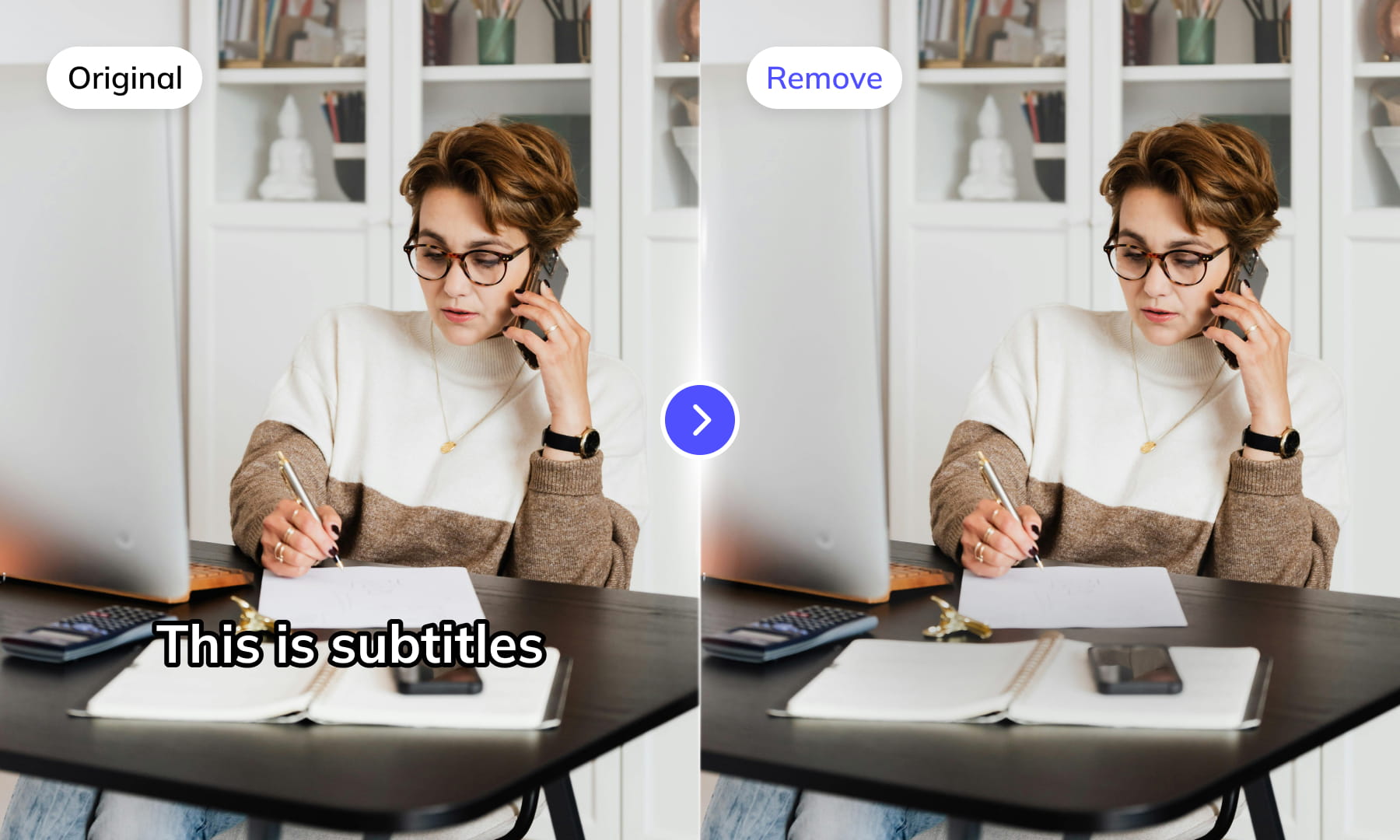


Export & Download
Review subtitle timing and any dubbed audio before delivery. Check the video and project export options available for the selected workflow.
Remove More Text from spanish Videos for Easier Reuse


Frequently Asked Questions
Where can I check pricing and available trial credits?
Check the current Pricing page and your account balance before submitting a task. Available trial credits, paid options, and the cost shown for your selected workflow should guide your decision. Review the task settings and displayed estimate before confirming; this guide does not promise a fixed free allowance or a specific price.How do I select hardcoded Spanish subtitles?
Submit the video and select the regions containing hardcoded Spanish subtitles. Keep each region close to the visible text so nearby graphics remain protected. Check several repaired frames after removal, particularly when subtitle lines change, punctuation reaches an edge, or moving details pass behind the text. This helps reveal incomplete coverage or unwanted background changes.How should I remove scrolling Spanish text?
Treat scrolling Spanish text as a moving region and account for its complete path across the frame. Check letters as they enter and leave view, not only where the text first appears. Review the repaired background throughout the movement because changing colors, objects, and scene details can expose artifacts that a single still frame would not show.What if Spanish text overlaps a complex background?
For text over faces, patterns, moving objects, or detailed scenery, select the text region without unnecessarily covering nearby content. Review the background repair around motion and scene cuts, where texture changes are easier to notice. If smearing, repeated patterns, or altered objects remain, refine the affected region and inspect that section again before delivery.Do I need professional video editing experience?
Start by choosing footage and identifying the text you want to remove. You do not need a full editing project, but you should compare the repaired frames with the original video before publishing. Moving backgrounds, overlapping graphics, and text near faces may require closer review and adjustments to the selected region.How do I handle multiple Spanish text layers?
Separate subtitles from titles, labels, logos, and other visible text when their positions or appearances differ. Reviewing each text layer separately helps preserve graphics that should stay. Pay special attention when a title overlaps a subtitle, because the combined area may expose different background details as each layer appears, changes, or disappears.Do long Spanish sentences affect text regions?
Long Spanish sentences can extend farther across the frame or wrap onto another line. Select a region wide enough for the broadest subtitle layout without covering nearby graphics. Review transitions between short and long lines, since a narrow region may leave punctuation or line-ending characters behind when the sentence length changes.Which Spanish punctuation needs careful review?
Check opening question marks and exclamation marks as well as their closing punctuation. Spanish punctuation can sit at the outer edge of a subtitle line and fall outside a tight text region. Inspect lines after wrapping too, because inverted marks may appear in a different position relative to neighboring subtitle frames.Why check regional Spanish vocabulary after removal?
Regional Spanish vocabulary can change the visible width of subtitles, labels, or captions. A region that fits one phrase may not cover a longer term elsewhere in the video. Scan for vocabulary changes and check accented letters, abbreviations, and final characters. This review helps confirm that regional wording has not left small text fragments along the region boundary.How should I review repaired Spanish subtitle frames?
Review frames before, during, and after each Spanish subtitle appears. Look for leftover letter edges, altered objects, flicker, repeated textures, and abrupt changes at subtitle transitions. Include moving scenes and cuts rather than checking only static images. If a defect appears, adjust the relevant region and inspect that segment again before downloading the result.What should I check before downloading the video?
Before downloading, watch the result at normal playback and inspect difficult sections frame by frame. Confirm that intended Spanish subtitles and selected on-screen text are gone, required graphics remain, and repaired backgrounds stay consistent through motion and cuts. Also check the full frame and audio continuity so the downloaded output is suitable for its next delivery step.What should I check before uploading private or licensed footage?
Use footage you are entitled to process and check the current privacy policy and service terms before uploading sensitive material. For client projects, confirm that the agreed handling of faces, voices, personal details, and licensed media permits this workflow. Ask support about any specific retention or processing requirement rather than assuming a promise from this guide.
Common Removal Review Scenarios
Review the repaired regions in context before you reuse or localize the video.