
How to Automatically Remove Hardcoded Text from Your Explainer Videos?
Effortlessly eliminate hardcoded subtitles and text from Explainer videos with Weydub using these 3 steps


-
01Upload/PasteUpload files (batch supported) or paste Explainer video URLs.
-
02SettingsSelect removal quality level. Optional: Add translation, etc.
-
03DownloadReview the cleaned video for leftover text and changes to the background, then download the result.
Hardcoded Subtitles in Explainer Videos Limit Global Reach.
Explainer Videos for products or services that contain fixed text annotations or demonstrate outdated interface elements suffer from reduced accuracy and user comprehension. Especially in tech and finance, such hardcoded text prevents easy updates alongside product iterations and limits usability for global audiences needing different languages, potentially causing user confusion or misinterpretation of key features, thereby hindering effective global product communication.
Removing Hardcoded Texts from Explainer Videos is Difficult, but We Did It.
Removing embedded feature labels, UI text, or narration from product explanation videos while reconstructing complex software interfaces, charts, or animations is challenging. Frequent remakes are impractical for product/marketing/sales teams needing updates/global reach. Our AI efficiently removes hardcoded text, enabling timely info updates, multi-language versions, and boosting user understanding/adoption cost-effectively.
Why Use Weydub for Erasing Explainer Video Subtitles & Text?
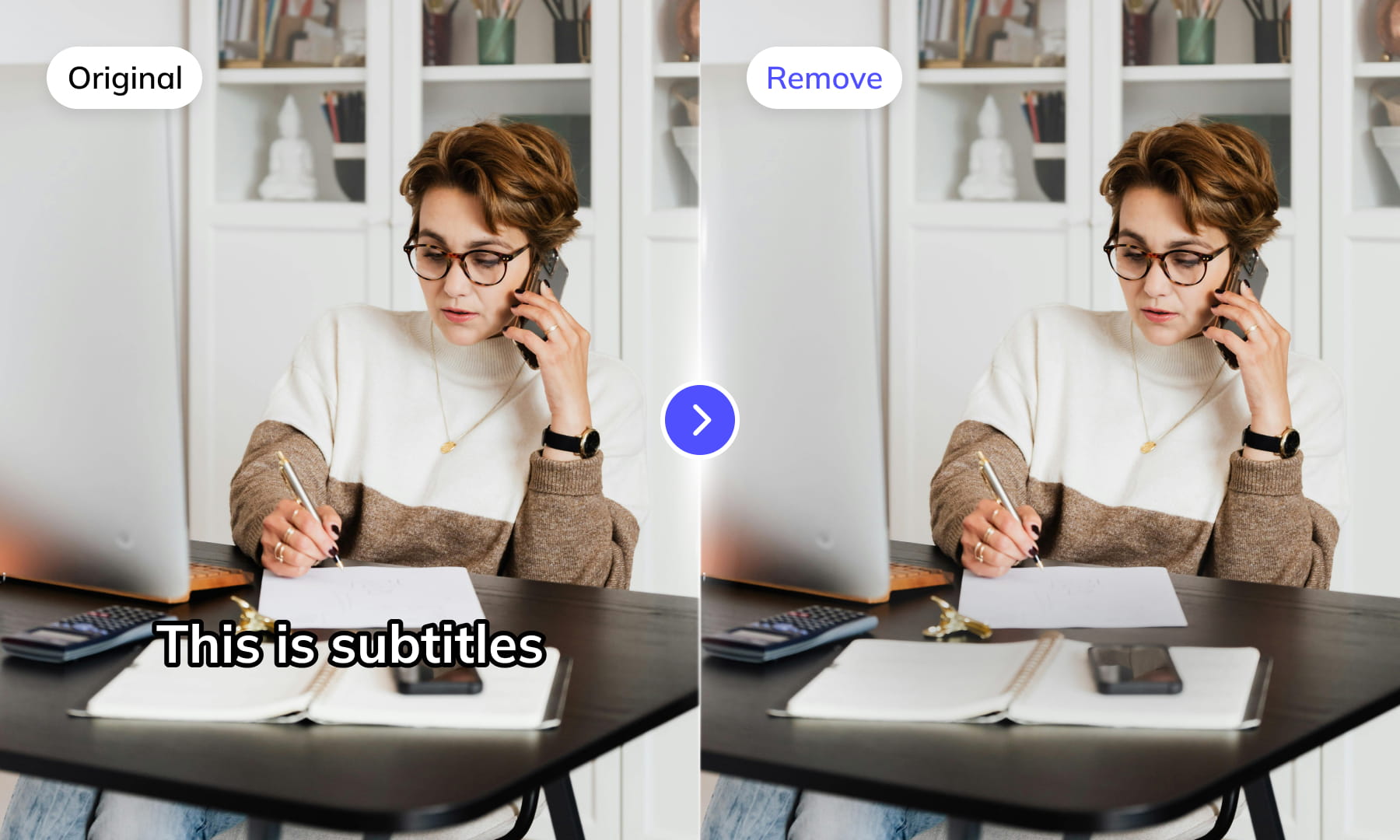
Use Weydub to remove selected subtitles and on-screen text from video. Review the repaired background and retained graphics before downloading the result for editing or localization.
AI-Assisted Text Selection
Use AI-assisted text detection to prepare the cleanup. Review the selected regions and keep any text or graphics that should remain. Inspect the repaired video before moving it into the next workflow.
Background Repair and Review
AI repairs the area behind removed text. Results depend on the background, motion, and text placement. Compare repaired frames with the source, especially around faces, fine textures, and scene changes.
High-Volume Batch Capabilities & API Integration
Organize subtitle and text removal across multiple video files with batch workflows. Use the API for automated submissions, and check the settings and results for each source video.
Intelligent Multi-Language Support
Our system automatically identifies and removes text or subtitles in many languages. This is essential for repurposing content internationally and ensuring your AI video tools cater to a global audience, especially when working across multiple platforms.
Review Pricing Before Submission
Check the current Pricing page and the estimate shown for your task. Choose the processing options that fit the footage, and review the displayed cost before confirming.
Browser-Based Convenience
No downloads or installations necessary! Conveniently remove text from your Explainer videos online through our intuitive subtitle removal interface. Compatible across platforms (Windows, Mac) and mobile devices (iPhone, Android).
One-Stop AI Localization Workflow Effortlessly Globalize Your Videos
Weydub offers a revolutionary, all-in-one platform where every step, from subtitle generation to final rendering, seamlessly integrates.
Project Management
Organize projects and source assets for batch workflows. Review task settings and outputs for each video before delivery.
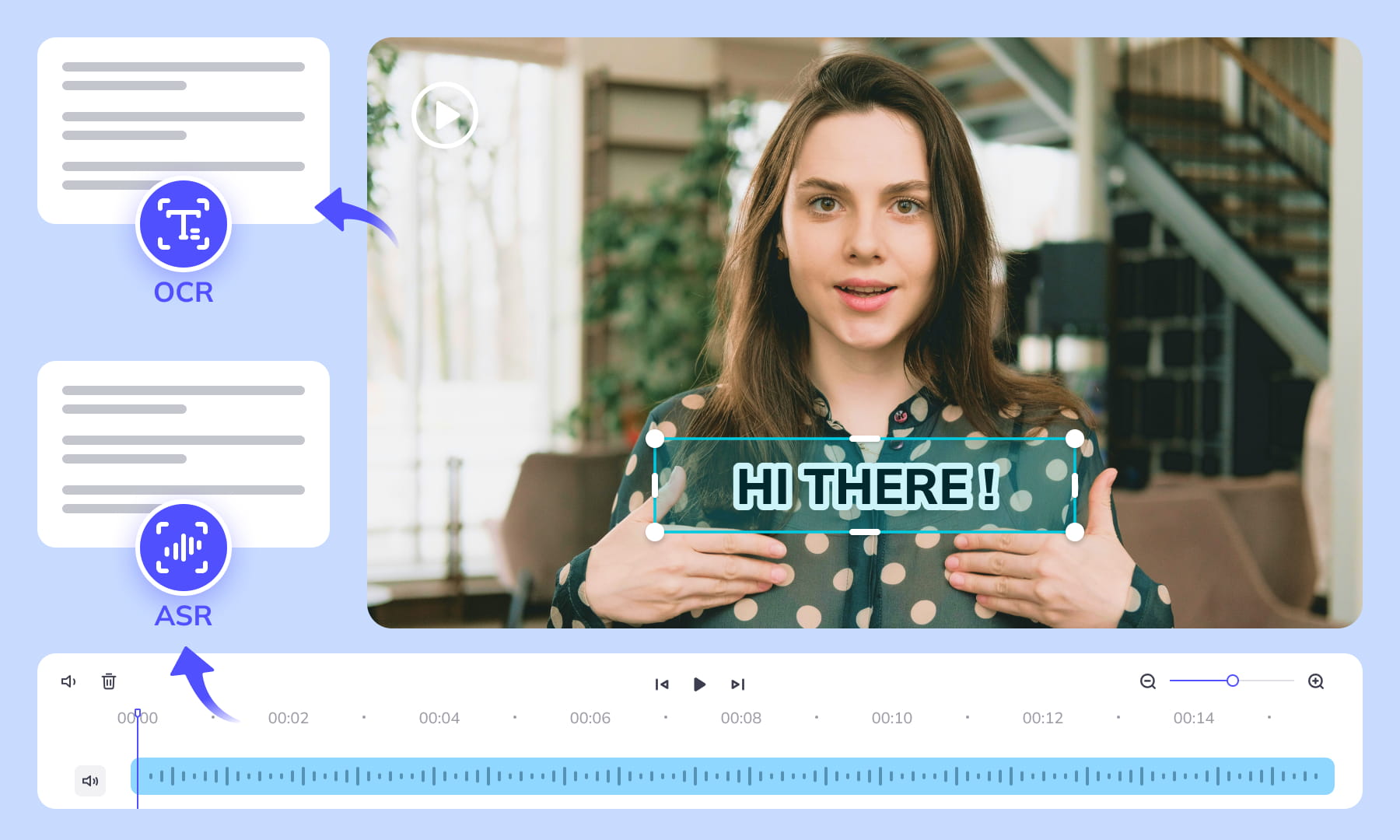
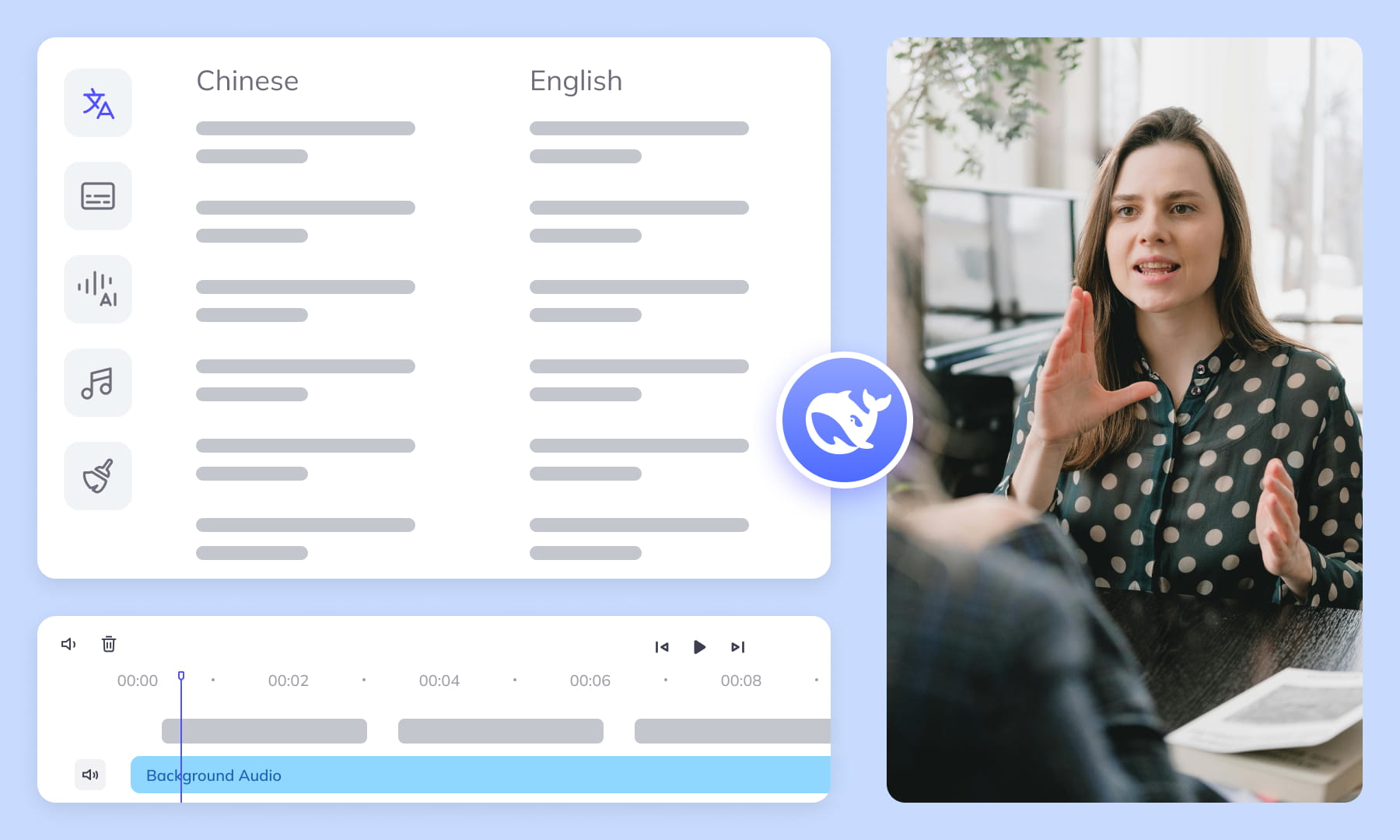

Export & Download
Review subtitle timing and any dubbed audio before delivery. Check the video and project export options available for the selected workflow.
Remove More Text from explainer Videos for Easier Reuse


Frequently Asked Questions
Where can I check pricing and available trial credits?
Check the current Pricing page and your account balance before submitting a task. Available trial credits, paid options, and the cost shown for your selected workflow should guide your decision. Review the task settings and displayed estimate before confirming; this guide does not promise a fixed free allowance or a specific price.Can hardcoded subtitles be removed from explainer videos?
Weydub can process hardcoded subtitles and other visible text because they are embedded in the video image rather than stored as a separate subtitle track. Review the repaired frames afterward, especially where captions overlap diagrams, labels, arrows, or other visual elements needed to explain an ordered concept.How should I mark text regions without erasing diagrams?
Select text regions closely enough to cover the intended captions while avoiding nearby diagrams, labels, and visual examples. Explainer layouts often place text beside arrows or key shapes, so inspect the processed sequence for missed letters and unwanted changes. Adjust the targeted area if essential graphics were included.How should scrolling text in an explainer be handled?
Treat scrolling text as a moving element rather than a fixed caption block. Identify the area covered throughout its motion, then review frames as the text enters, travels across, and leaves the picture. Check whether the repaired background remains coherent and whether nearby explanatory labels stay intact.Do I need professional video editing experience?
Start by choosing footage and identifying the text you want to remove. You do not need a full editing project, but you should compare the repaired frames with the original video before publishing. Moving backgrounds, overlapping graphics, and text near faces may require closer review and adjustments to the selected region.What happens when text covers a complex background?
A complex background may contain diagrams, textures, screenshots, animation, or changing examples beneath the text. After removal, inspect those areas for visible patches, repeated patterns, missing lines, or altered shapes. This is especially important when the covered visual supports the narration or establishes the next concept in an ordered explanation.How do I handle several text layers in one scene?
Treat every visible layer as a separate review target, including subtitles, headings, callouts, labels, and small annotations. Multiple layers may overlap or appear at different points in the narration, so check the complete sequence rather than only one frame. Confirm that intended text is removed without damaging essential illustrations.Can labels be removed without disrupting ordered concepts?
Labels may be tightly connected to arrows, steps, or diagrams that establish ordered concepts. Remove only the labels intended for replacement, then verify that visual relationships remain understandable without them. If a later localization will add new terminology, note where each replacement belongs so the instructional sequence stays coherent.What should I inspect in repaired explainer frames?
Review repaired frames for leftover characters, blurred edges, altered arrows, broken diagram lines, and patches that shift between adjacent frames. Also confirm that concise narration still matches the remaining visuals. A clean still image is not enough when motion reveals a repair that changes or flickers.How can terminology overlays be checked after removal?
List the terminology overlays that should disappear, including repeated terms, abbreviations, headings, and callouts. Watch the full explainer to catch brief or recurring instances, then verify that no fragments remain near diagrams. This also helps distinguish removable terminology from words that are part of a screenshot or essential illustration.What should I verify before downloading the output?
Before downloading, watch the processed video from beginning to end. Confirm that intended subtitles and on-screen text are gone, repaired backgrounds remain consistent through transitions, and important diagrams are readable. Check opening and closing frames as well as brief overlays, then use the reviewed output in the planned localization workflow.What should I check before uploading private or licensed footage?
Use footage you are entitled to process and check the current privacy policy and service terms before uploading sensitive material. For client projects, confirm that the agreed handling of faces, voices, personal details, and licensed media permits this workflow. Ask support about any specific retention or processing requirement rather than assuming a promise from this guide.
Common Removal Review Scenarios
Review the repaired regions in context before you reuse or localize the video.