
Generate Accurate Subtitles for Nepali Videos
Generate subtitle drafts for Nepali videos using speech recognition or visible text extraction. Review wording and timing before delivery.
≤1GB, ≤15min (mp4、avi、mov、mkv、mpg)
English subtitle workflow
A focused workflow for Nepali subtitle generation
Build a clean subtitle track for Nepali video content with a workflow tuned to the way this content is produced, reviewed, and delivered.
- Prepare Nepali footage and keep the original speech context visible
- Generate a timed subtitle track and review names, terms, and line breaks
- Export an editable subtitle file for localization or publishing workflows
How to Create Accurate Nepali Video Subtitles with AI?
Generate accurate AI subtitles in 3 easy steps with Weydub
Upload Video
- Select and batch upload Nepali videos from your device.
- Or, paste video links from social media.

Choose Generation Settings
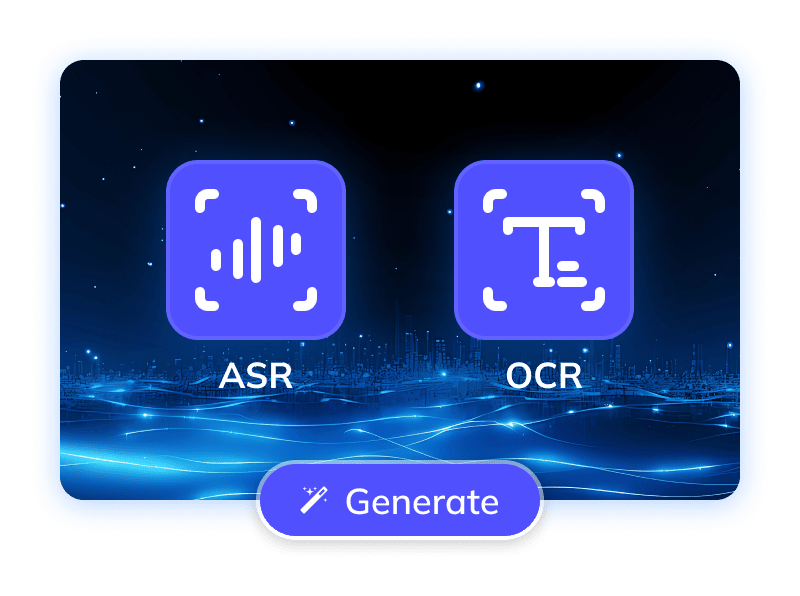
- Specify the video's original language and generation mode (via ASR or OCR).
- Check translation and calibration options and their displayed cost before submission.
Process & Download
- Auto generate subtitles with precise timestamps for your Nepali videos.
- Once done, batch download original/translated SRTs, edit online, or use AI dubbing.
Nepali Video Globalization
In the digital age, users often watch videos silently, making clear subtitles crucial for an optimal viewing experience and information accessibility for Nepali content. For Nepali travel clips, cultural documentaries, or local shares to reach global audiences on platforms like YouTube and TikTok, accurate subtitles are key to overcoming language barriers and ensuring widespread appeal. Subtitles not only ensure accurate content delivery for diverse audiences but also enhance platform search visibility and expand Nepali cultural influence. Thus, professional Nepali subtitle solutions are a critical market need to help quality Nepali content achieve global reach
Generating Quality Subtitles for Nepali Videos Is Challenging
Creating accurate subtitles for Nepali videos is difficult due to the language's inherent complexities. Automated Speech Recognition (ASR) struggles with spoken Nepali, facing issues like subtle consonant distinctions (e.g., aspiration), varied speaking speeds, and indistinct word boundaries from connected speech. Regional pronunciation variations further complicate recognition. Beyond ASR, Nepali's unique Devanagari script presents significant challenges for Optical Character Recognition (OCR). Its complex conjuncts, various vowel signs, and the distinctive shirorekha top line demand precise rendering. Even with accurate recognition, displaying these characters clearly and legibly within limited subtitle space, while maintaining visual flow, is a complex task. The combined challenges of recognizing, interpreting, and presenting these linguistic features make Nepali subtitle generation a substantial technical hurdle. Effective solutions must integrate precise speech recognition, meticulous text processing, and professional visual rendering
Trusted by 2,000,000+ Creators and Businesses








Overcoming Challenges Generate Nepali Video Subtitles Accurately with AI
To maximize accuracy in Nepali video subtitle generation and ensure a smooth user experience, Weydub's subtitle feature is meticulously optimized, integrating multiple AI technologies.
Speech Recognition and Visible Subtitle Extraction
Choose ASR to transcribe speech or OCR to extract visible subtitles from Nepali videos. Select the mode that matches the source, then review the generated text and timing.
Generate subtitles now

Speaker Labels and Dialogue Review
For Nepali interviews and dialogue, review speaker labels alongside the transcript. Check overlapping speech and speaker changes before handing subtitles to an editor or dubbing workflow.
Generate subtitles nowReview Speech Against Background Noise
Background music and other noise can affect Nepali speech recognition. Compare the generated transcript with the original audio and correct words that are obscured or unclear.
Generate subtitles now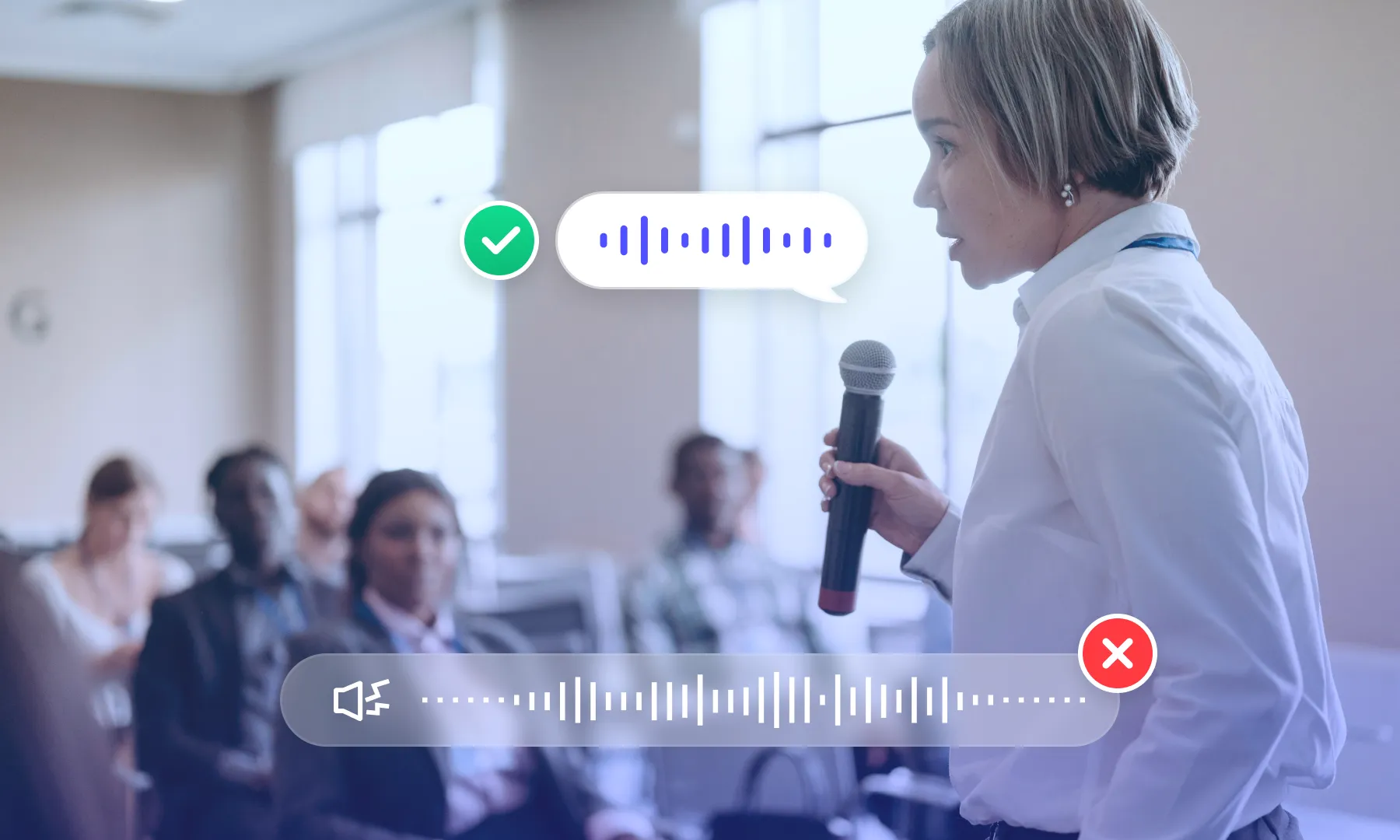
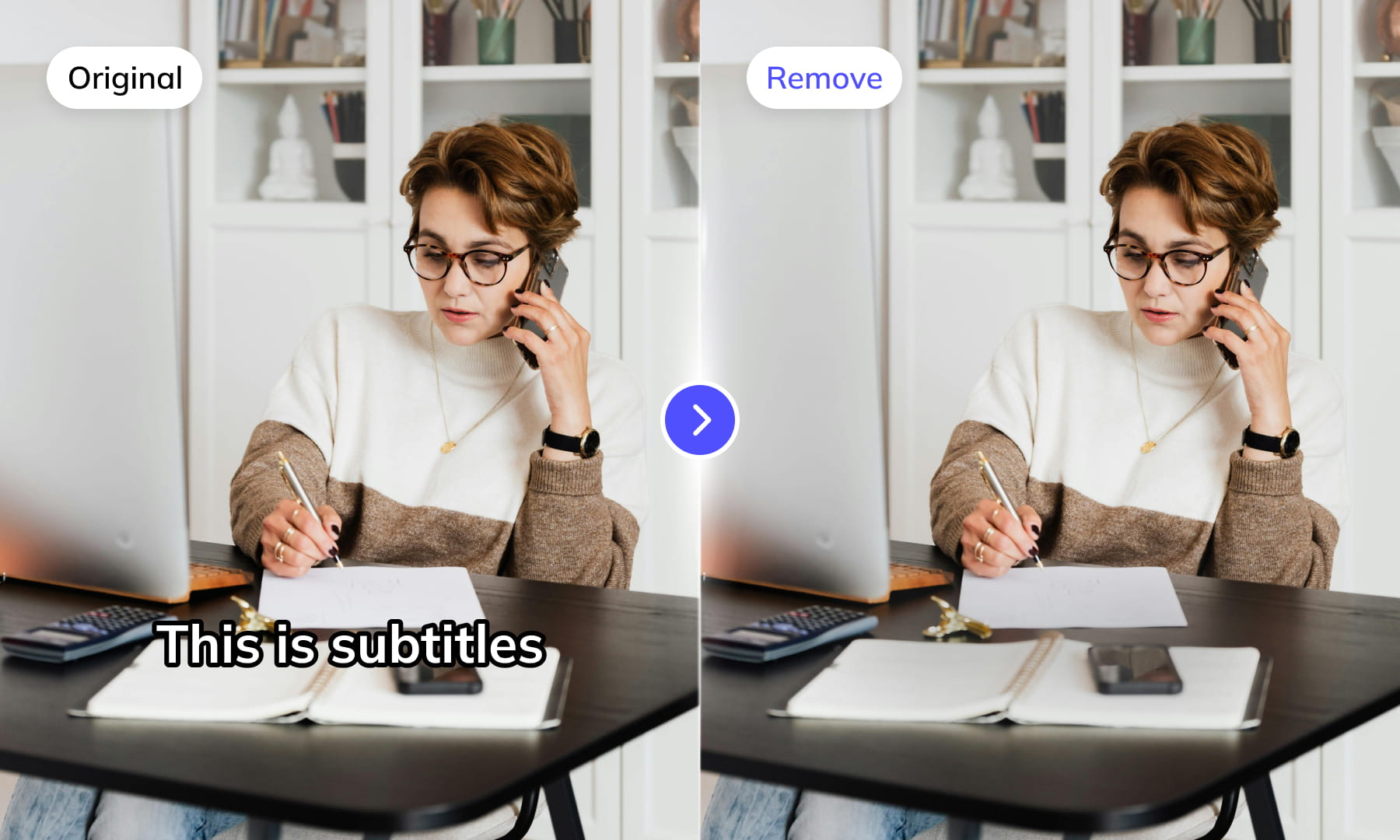
Subtitle Region Selection
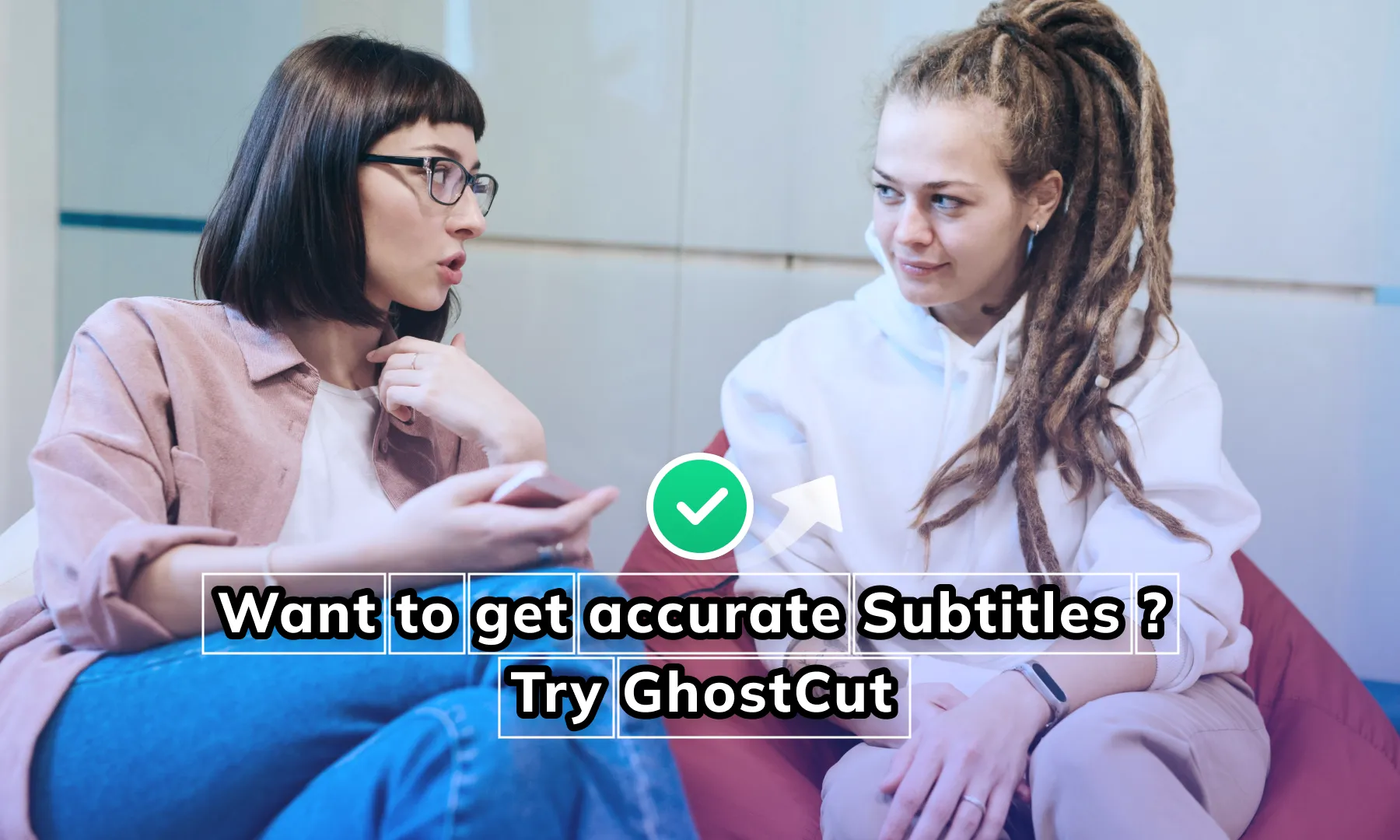
Select the subtitle area in the Nepali video, then check the extracted text for product labels or other scene text that should not be included. Adjust the selection when captions move or overlap other content.
Generate subtitles nowMulti-line Subtitle Review
Review multi-line Nepali captions as complete subtitle entries. Check that line grouping preserves reading order and that text from neighboring overlays has not been merged into the same cue.
Generate subtitles now
Contextual Subtitle Calibration
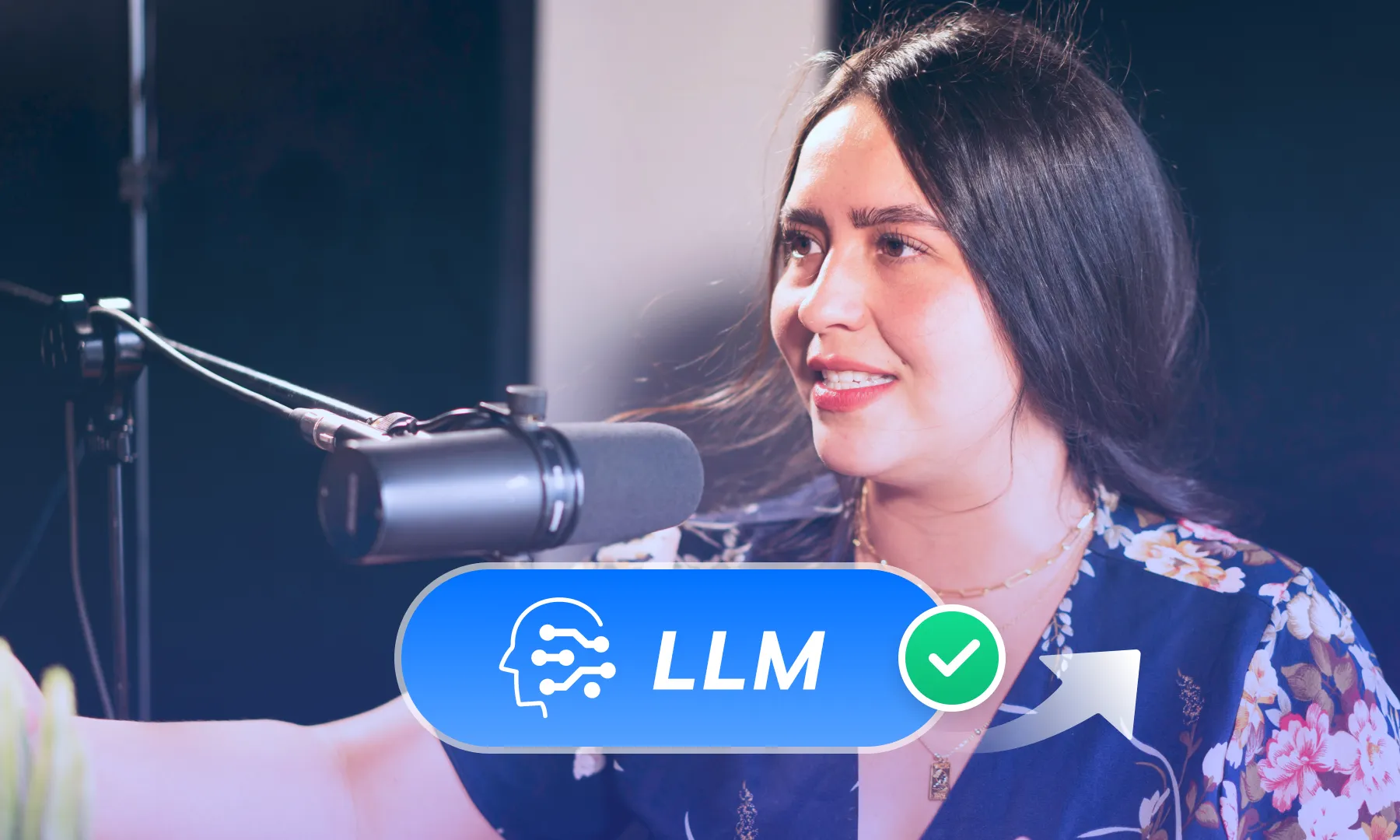
Use calibration to review a subtitle draft in context. Compare names, terminology, and ambiguous wording against the source; automated suggestions still require review before publication.
Generate subtitles nowCompare Recognition Modes and Review Options
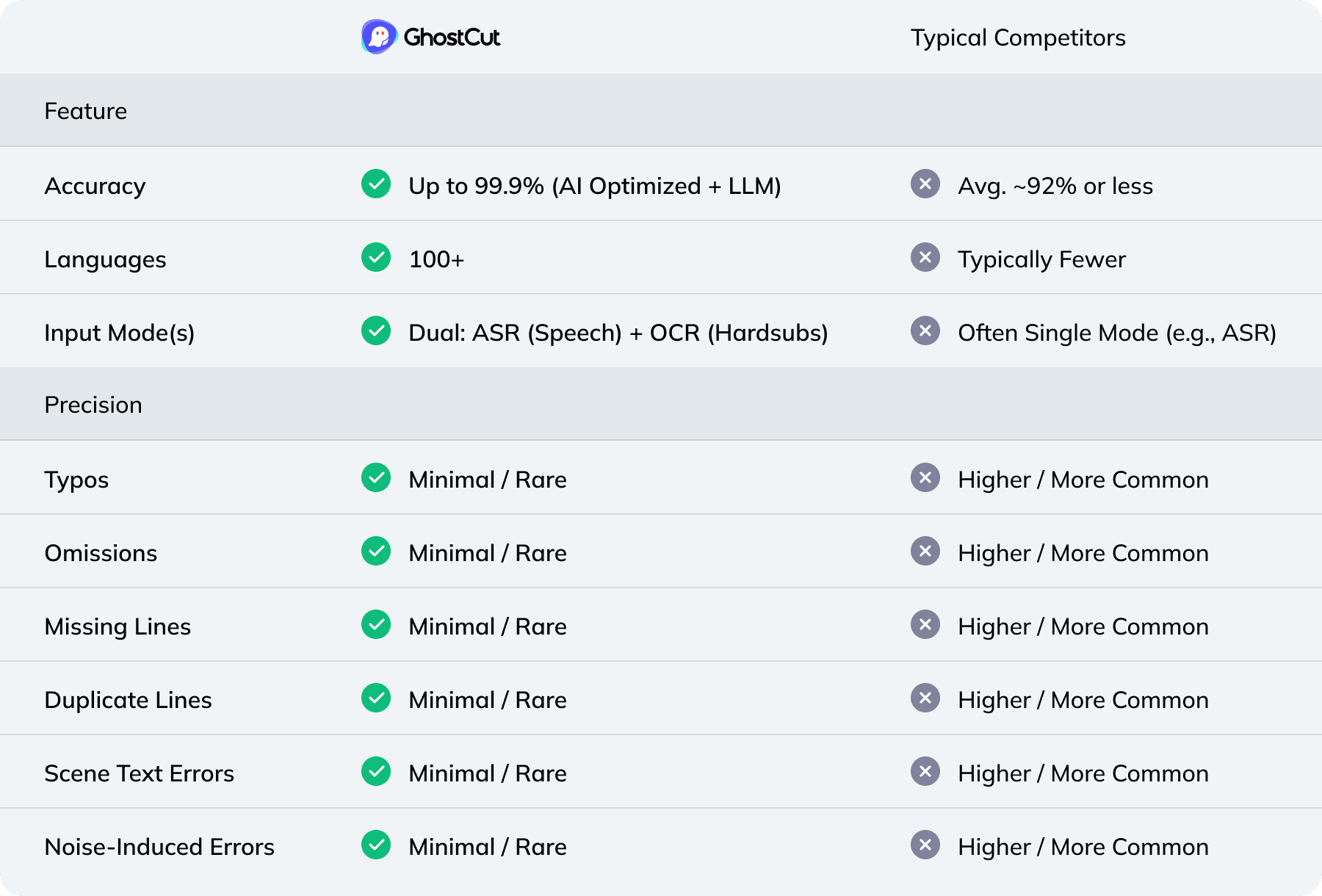
Weydub: Your one-stop video localization workbench
Prepare subtitles, review translations, and coordinate video localization in one workspace. Choose the tools needed for each source video and check the output before moving to the next step.
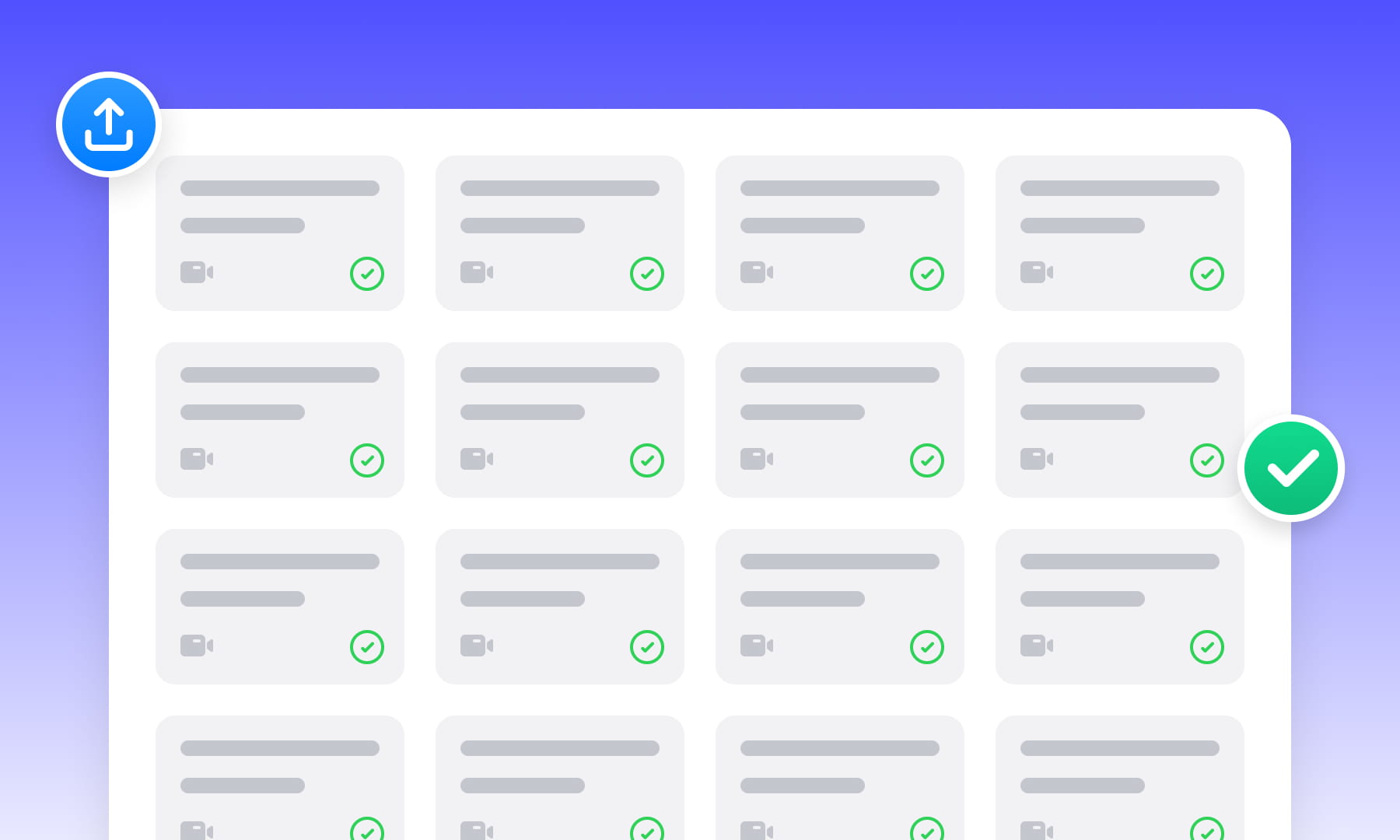
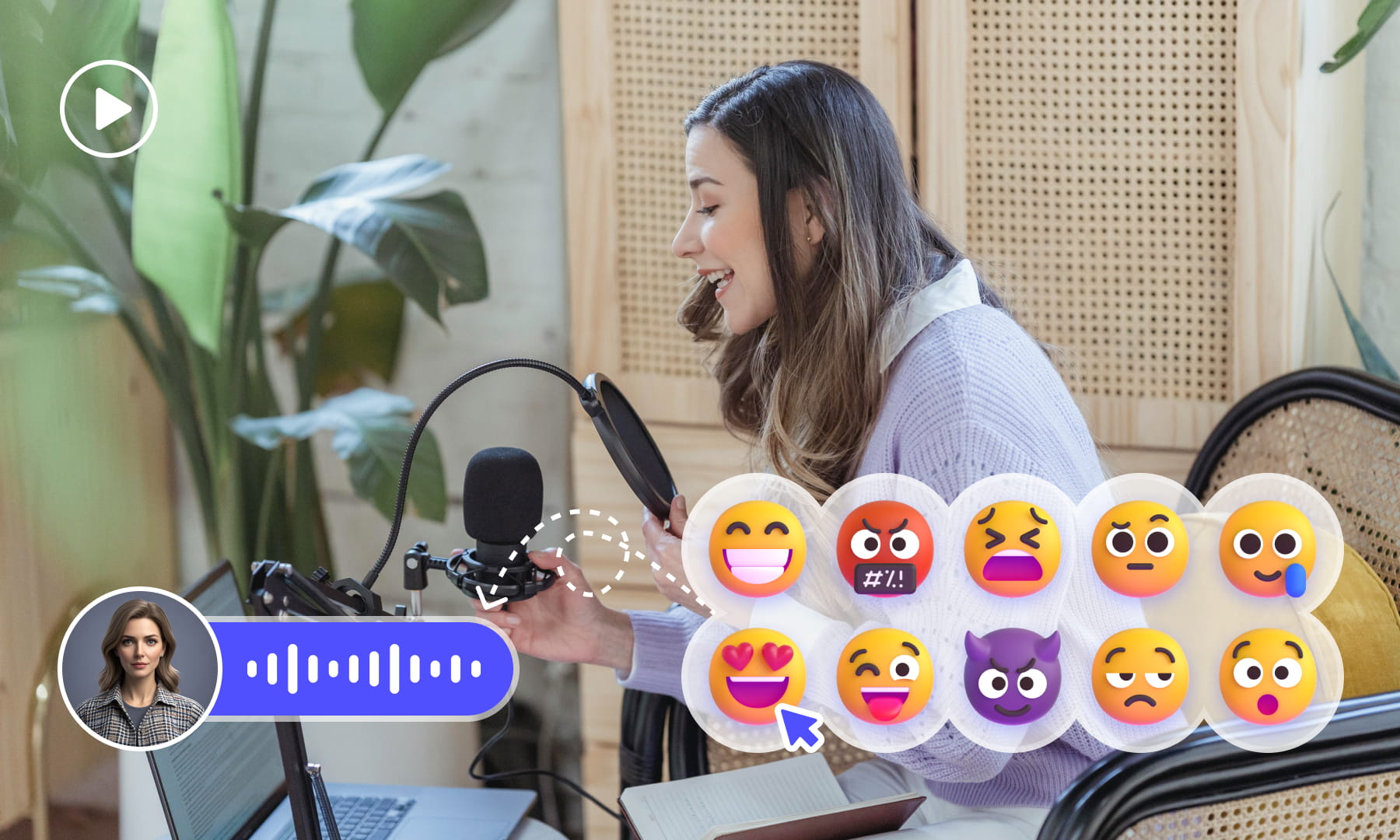
Project Management & Batch Processing
Organize source assets and use batch workflows for related videos. Check task limits, settings, and results for each file before delivery.
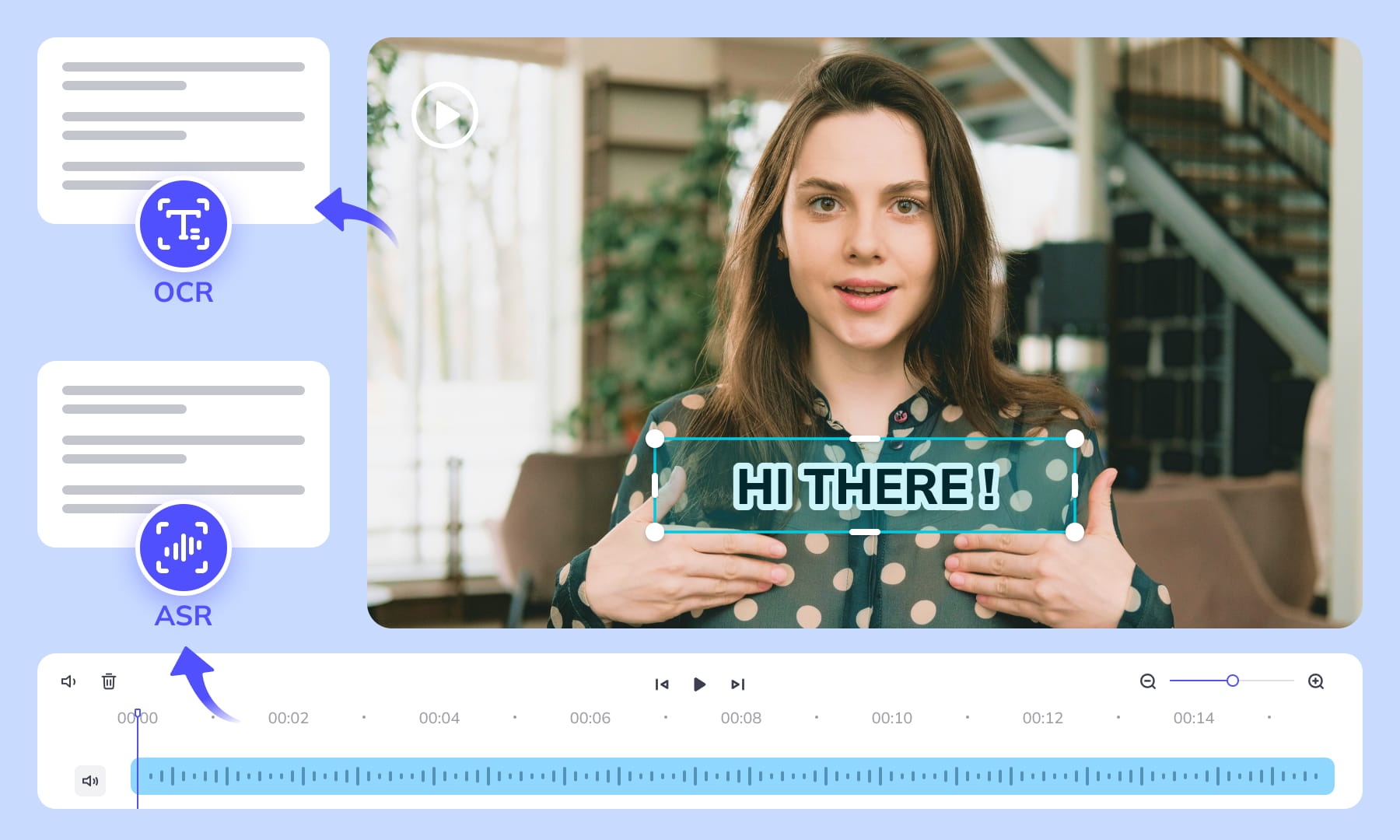
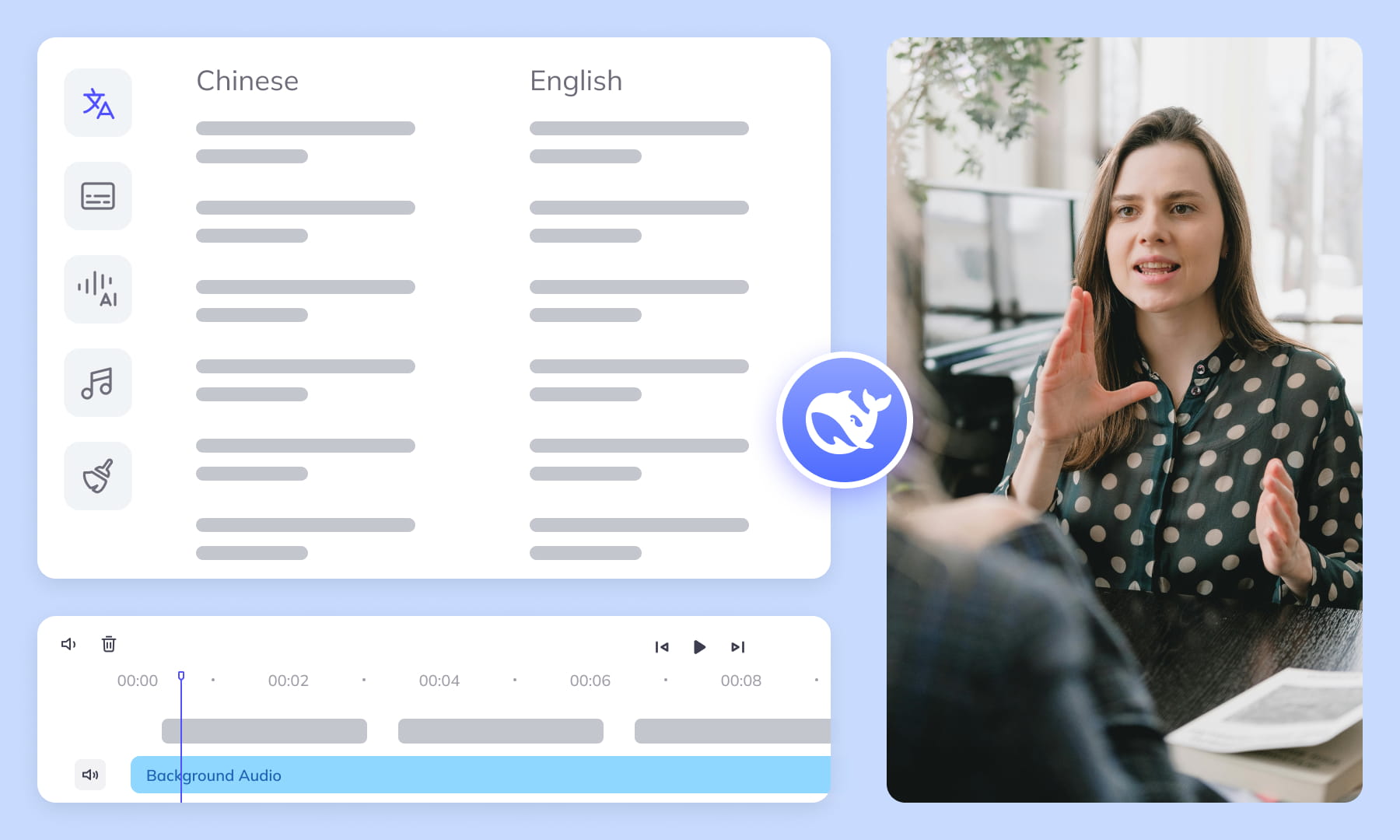

Automated Editing & Export
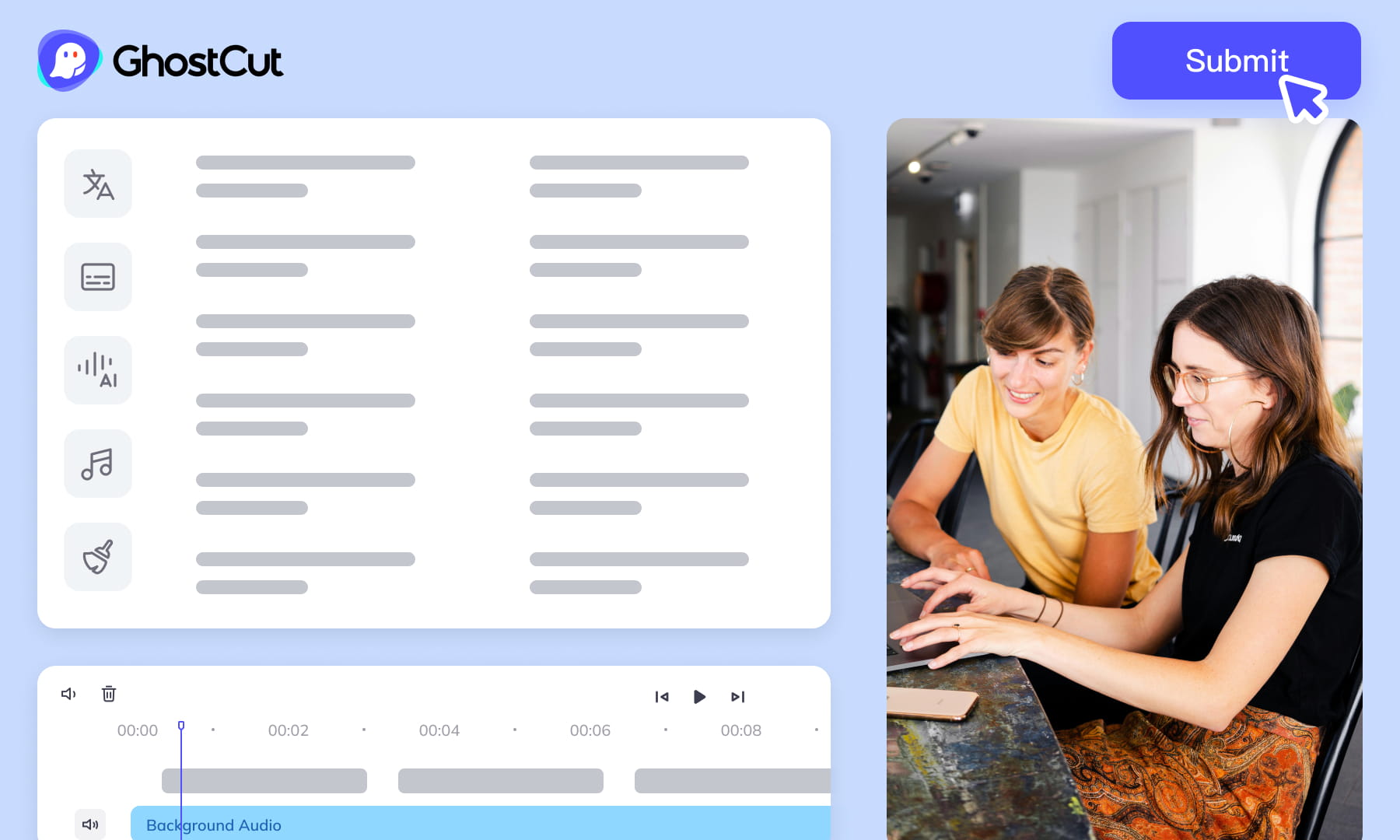
Auto-render and sync video, subtitles, AI dubs, and music. Ensures precise A/V alignment. Export project files compatible with professional NLEs (like Jianying/CapCut).
Meeting All-Scenario, Multilingual Video Subtitle Generation Needs.

Content Creators: Boost Appeal & Widen Reach
Short Drama Production: Powering Efficient Production & Market Expansion

E-commerce: Drive Engagement & Boost Sales Conversions
Animation & Film Entertainment: Accelerate Global Simultaneous Releases

Gaming Industry: Enhance Local Experience & Global Launch Efficiency
Multinational Corporate Communications & Training: Ensure Accurate Information Delivery

News Media & Broadcasting: Improve Timeliness & Public Coverage

Market Research & User Insights: Efficiently Analyze Qualitative Data
Video Tutorial
Frequently Asked Questions
Where can I check pricing and available trial credits?
Check the current Pricing page and your account balance before submitting a task. Available trial credits, paid options, and the cost shown for your selected workflow should guide your decision. Review the task settings and displayed estimate before confirming; this guide does not promise a fixed free allowance or a specific price.How accurate is Weydub's OCR for Nepali video subtitle extraction?
OCR results depend on caption clarity, font rendering, contrast, motion, and compression. After extraction, review Nepali Devanagari for intact conjuncts and vowel signs, and verify personal names against the video context. OCR reads visible picture text; use speech recognition when subtitles are absent and the required text must come from spoken audio.Can I batch extract subtitles from multiple Nepali videos?
Weydub can support batch workflows when that option is available in the current interface. Group videos that need the same recognition mode, then review each result separately. A video with visible Nepali captions calls for OCR, while one without picture text calls for speech recognition. Keep names and recurring terminology consistent across the batch.How do I proofread and edit Nepali subtitles?
Compare every subtitle with the audio and visible captions, then correct spelling, timing, and phrase boundaries. Check honorific agreement and verb endings from context, preserve regional expressions, and do not treat English code-switching as an error. Keep Devanagari character clusters intact when adjusting line breaks, and verify personal names consistently throughout the file.Do I need professional video editing experience?
Start by choosing a video and the appropriate subtitle workflow. You do not need to prepare a full editing project, but you should review recognized wording, names, timing, and line breaks before publishing. Specialized dialogue may need a knowledgeable reviewer, especially when a small transcription error changes the meaning.What other languages does Weydub support for subtitle timing?
Check the current workflow choices for the available source and destination languages before submitting a video. For any language, timing should follow complete spoken phrases rather than arbitrary visual breaks. In mixed Nepali and English speech, retain genuine code-switching, review where each phrase begins and ends, and avoid forcing English words into Nepali spelling unless the source requires it.Is there a video length limit for Nepali videos?
Check the current upload requirements in Weydub before submitting, because accepted conditions can vary by workflow. If a long recording must be divided, split it at a scene or sentence boundary rather than inside a spoken phrase. Keep segment names ordered, then review timing and terminology across the joins so the downloaded subtitle files remain consistent.How can I style Nepali subtitles after generation?
First review and download the subtitle file, then apply its font, size, color, and placement in a compatible downstream editor or player. Choose a font that renders Nepali Devanagari correctly. Test conjuncts, vowel signs, and line wrapping on representative frames, keeping character clusters and words intact instead of breaking them to fit a line.How do I extract hardcoded Nepali subtitles?
Choose OCR for hardcoded subtitles because they are visible pixels in the video image, not a selectable text track. Define the caption area closely enough to exclude logos or unrelated overlays, then review the extracted text and timing. Correct Devanagari conjuncts, vowel signs, names, and repeated terminology before downloading the subtitle file.What's the difference between external and hardcoded video subtitles?
External subtitles are separate files, while a selectable subtitle track is stored with the media but can still be turned on or off. Hardcoded subtitles are part of the picture and require OCR to recover their text. Speech recognition instead creates subtitles from audio. Review timing and Nepali text before using the downloaded file downstream.What should I check before uploading private or licensed footage?
Use footage you are entitled to process and check the current privacy policy and service terms before uploading sensitive material. For client projects, confirm that the agreed handling of faces, voices, personal details, and licensed media permits this workflow. Ask support about any specific retention or processing requirement rather than assuming a promise from this guide.