
Generate Accurate Subtitles for German Videos
Generate subtitle drafts for German videos using speech recognition or visible text extraction. Review wording and timing before delivery.
≤1GB, ≤15min (mp4、avi、mov、mkv、mpg)
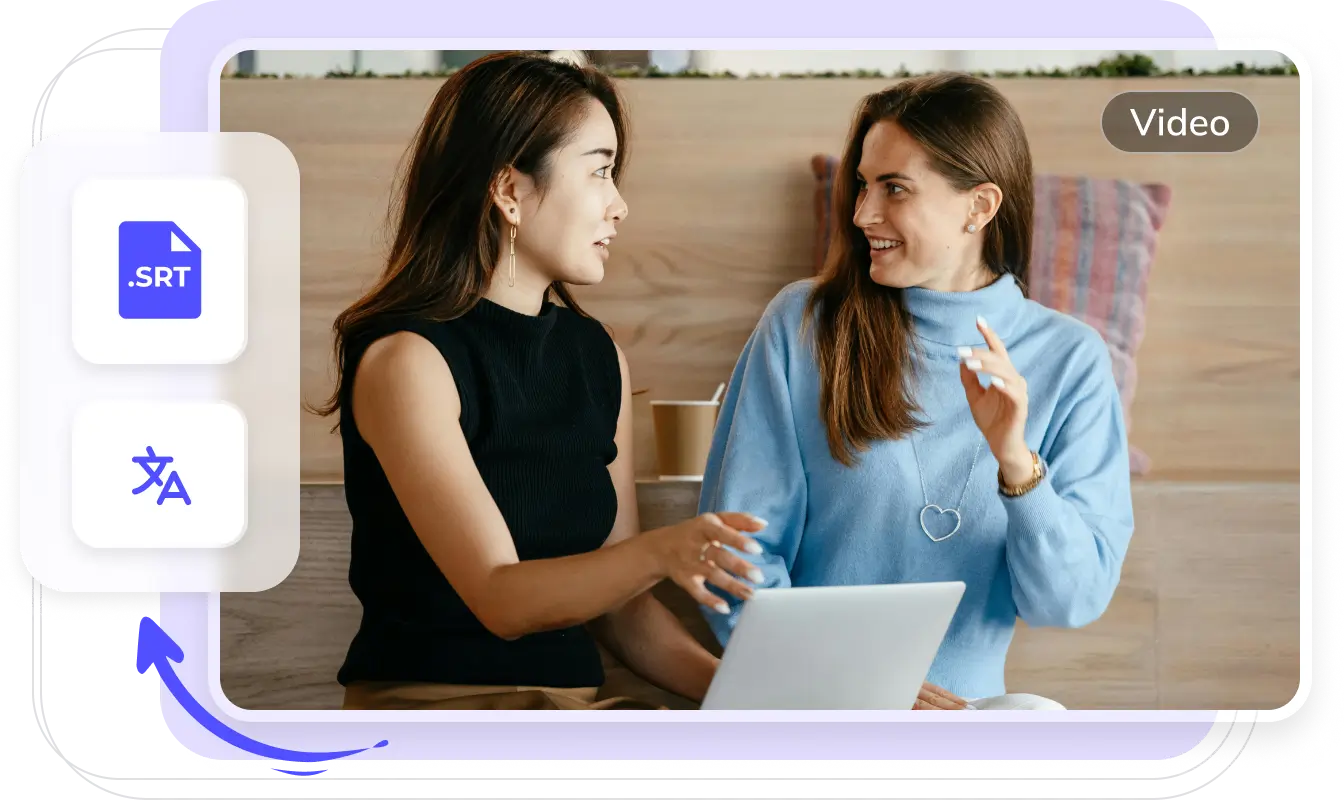
German subtitle workflow
A focused workflow for German subtitle generation
Build a clean subtitle track for German video content with a workflow tuned to the way this content is produced, reviewed, and delivered.
- Prepare German footage and keep the original speech context visible
- Generate a timed subtitle track and review names, terms, and line breaks
- Export an editable subtitle file for localization or publishing workflows
How to Create Accurate German Video Subtitles with AI?
Generate accurate AI subtitles in 3 easy steps with Weydub
Upload Video
- Select and batch upload German videos from your device.
- Or, import a supported direct video URL.

Choose Generation Settings
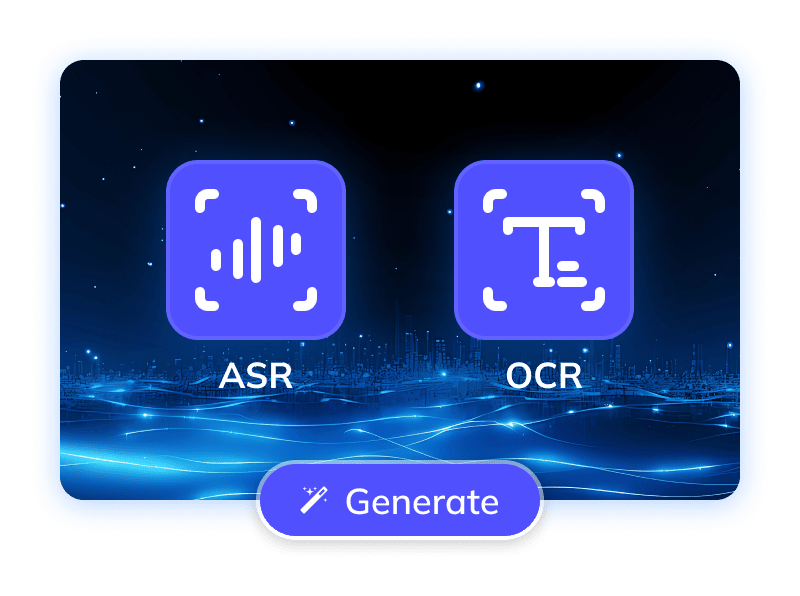
- Specify the video's original language and generation mode (via ASR or OCR).
- Check translation and calibration options and their displayed cost before submission.
Process & Download
- Generate timed subtitle drafts for your German videos and review the timestamps.
- Once done, batch download original/translated SRTs, edit online, or use AI dubbing.
Unsubtitled German Videos
In today's audiovisual digital environment, many users watch videos silently, making clear, accurate subtitles crucial for viewing experience and information comprehension. For the growing volume of quality German content, including films, scientific lectures, industrial tutorials, and cultural programs, to achieve global reach on platforms like YouTube, Vimeo, and LinkedIn Learning, professional German video subtitling is an indispensable cornerstone. Reviewed German subtitles help viewers follow complex information without sound. For audiences who do not read German, translate the reviewed text into the intended audience language. Thus, an efficient, precise German video subtitling and integration solution is now a critical requirement for barrier-free global dissemination of German content
Generating Highly Accurate German Video Subtitles: A Challenging Task
The challenges of generating precise, natural German video subtitles primarily stem from the accuracy of speech input. Automatic Speech Recognition (ASR) faces unique complexities when processing German: long, flexible compound words challenge accurate word boundary detection; rich cases (nominative, accusative, dative, genitive) and verb conjugations create numerous inflections, significantly increasing ASR ambiguity. Regional accents and rapid speech can affect recognition. Review umlauts (ä, ö, ü), ß, and noun capitalization in the generated text. When extracting visible German text with Optical Character Recognition (OCR), check those spellings against the original frames. For speech transcription, check wording against the audio and spelling in context. These combined difficulties, encompassing ASR accuracy, grammatical analysis, and visual presentation, constitute a substantial technical barrier to accurate German subtitle generation. Effective solutions necessitate a comprehensive approach, integrating high-precision ASR, intricate linguistic rule processing, and professional typesetting tailored for visual clarity
Trusted by 2,000,000+ Creators and Businesses


















Generate and Review German Video Subtitles
To maximize accuracy in German video subtitle generation and ensure a smooth user experience, Weydub's subtitle feature is meticulously optimized, integrating multiple AI technologies.
Speech Recognition and Visible Subtitle Extraction
Choose ASR to transcribe speech or OCR to extract visible subtitles from German videos. Select the mode that matches the source, then review the generated text and timing.
Generate subtitles now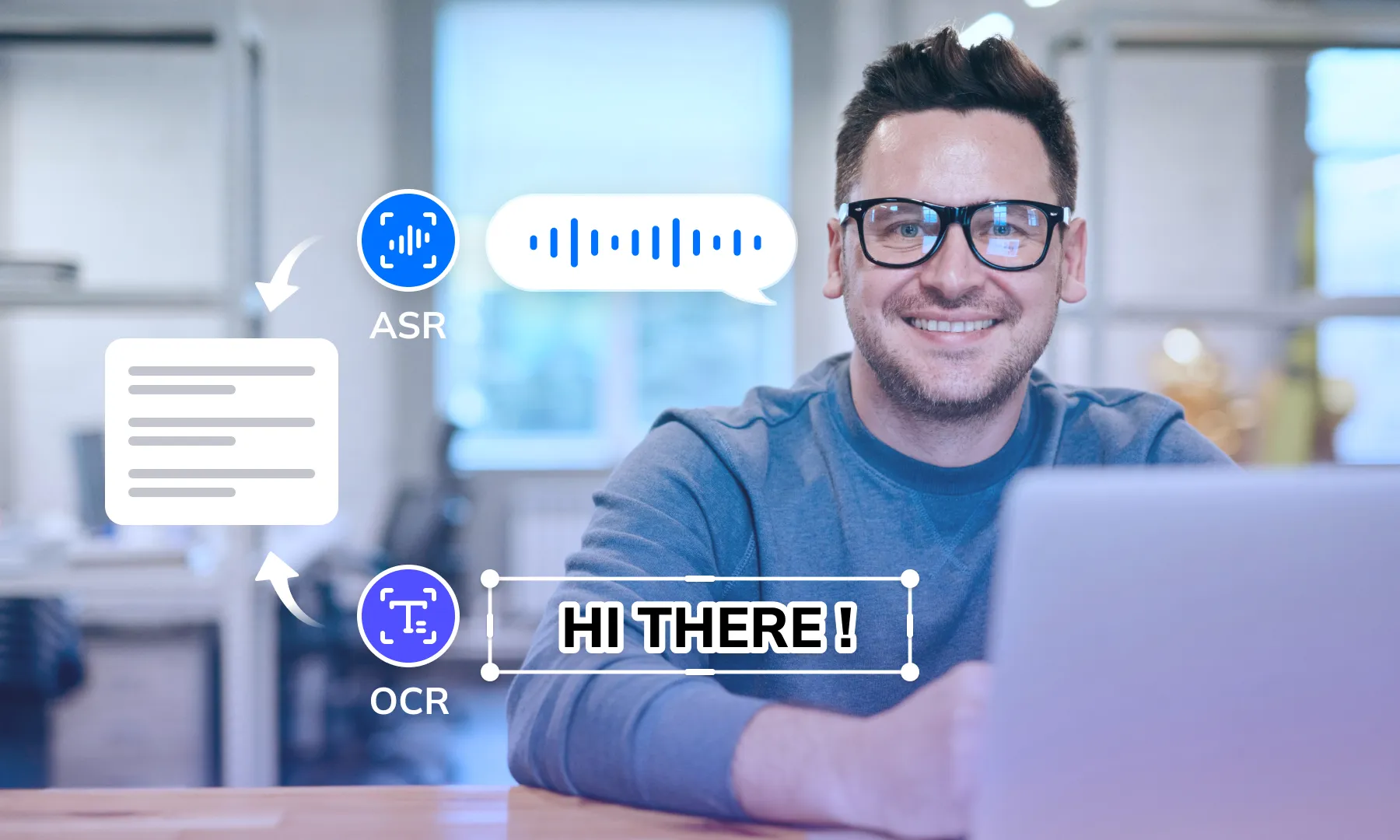

Speaker Labels and Dialogue Review
For German interviews and dialogue, review speaker changes and attribution against the audio. Check overlapping speech before handing subtitles to an editor or dubbing workflow.
Generate subtitles nowReview Speech Against Background Noise
Background music and other noise can affect German speech recognition. Compare the generated transcript with the original audio and correct words that are obscured or unclear.
Generate subtitles now
Subtitle Region Selection
Select the subtitle area in the German video, then check the extracted text for product labels or other scene text that should not be included. Adjust the selection when captions move or overlap other content.
Generate subtitles nowMulti-line Subtitle Review
Review multi-line German captions as complete subtitle entries. Check that line grouping preserves reading order and that text from neighboring overlays has not been merged into the same cue.
Generate subtitles now
Contextual Subtitle Calibration
Use calibration to review a subtitle draft in context. Compare names, terminology, and ambiguous wording against the source; automated suggestions still require review before publication.
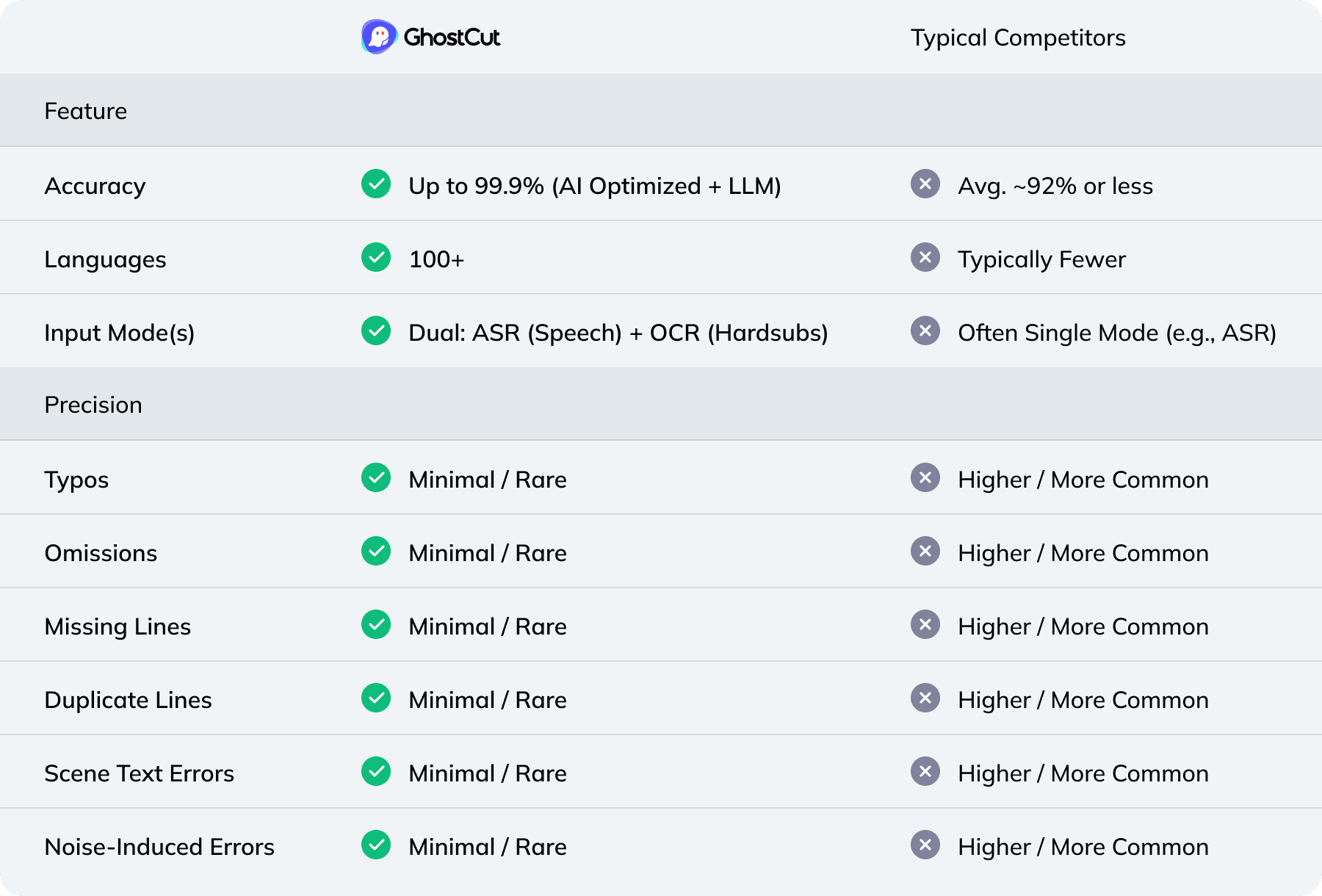
Generate subtitles nowCompare Recognition Modes and Review Options
Weydub: Your one-stop video localization workbench
Prepare subtitles, review translations, and coordinate video localization in one workspace. Choose the tools needed for each source video and check the output before moving to the next step.
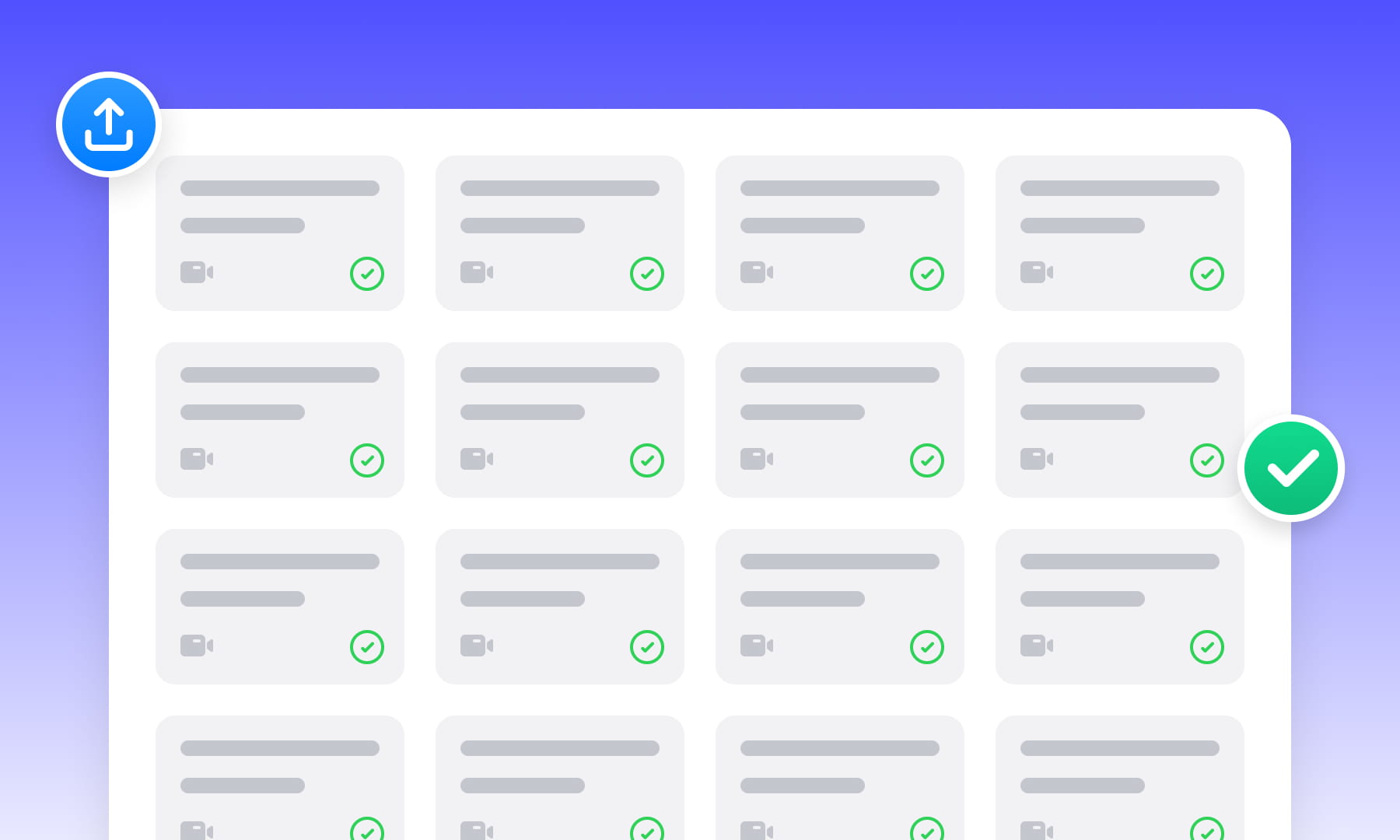
Project Management & Batch Processing
Organize source assets and use batch workflows for related videos. Check task limits, settings, and results for each file before delivery.
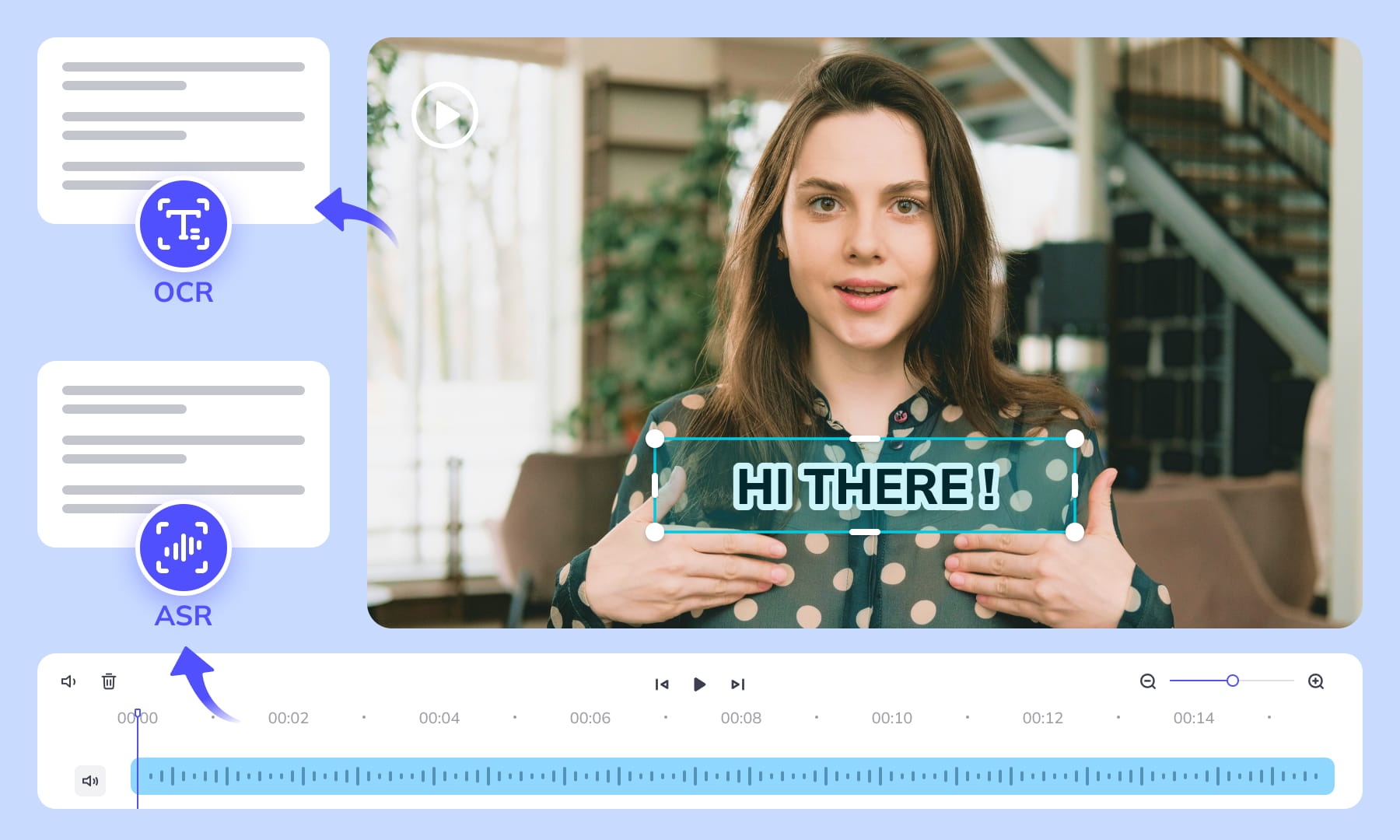
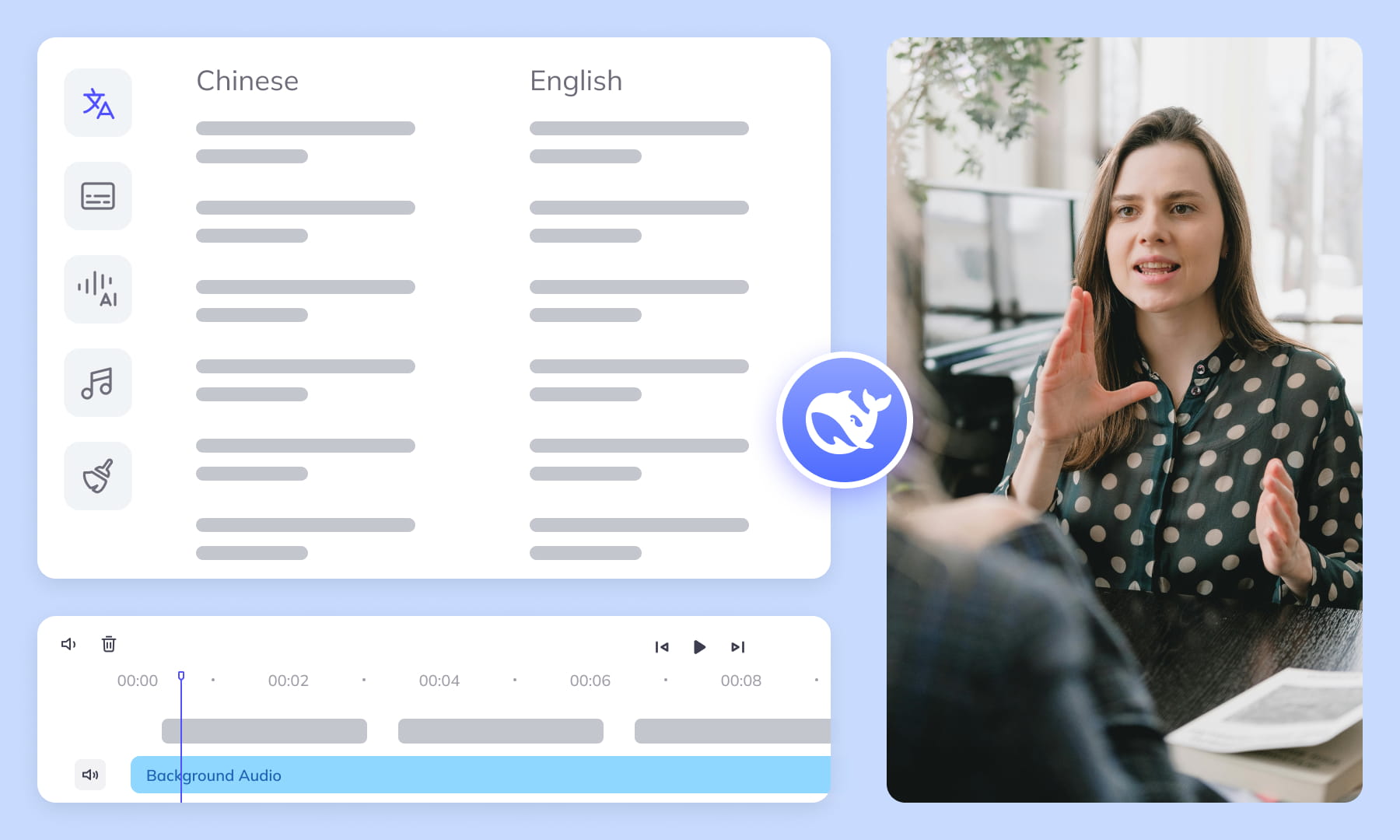
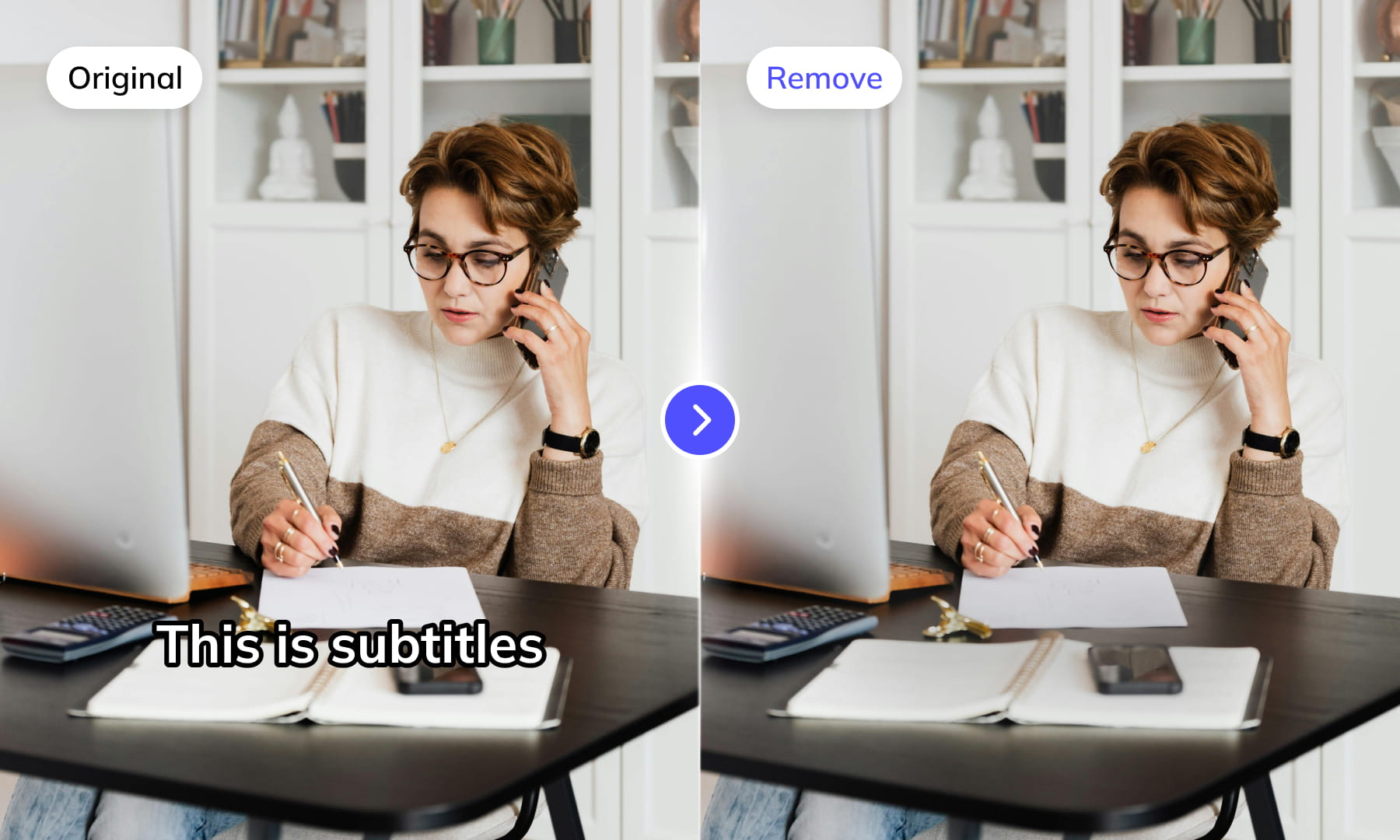
Automated Editing & Export
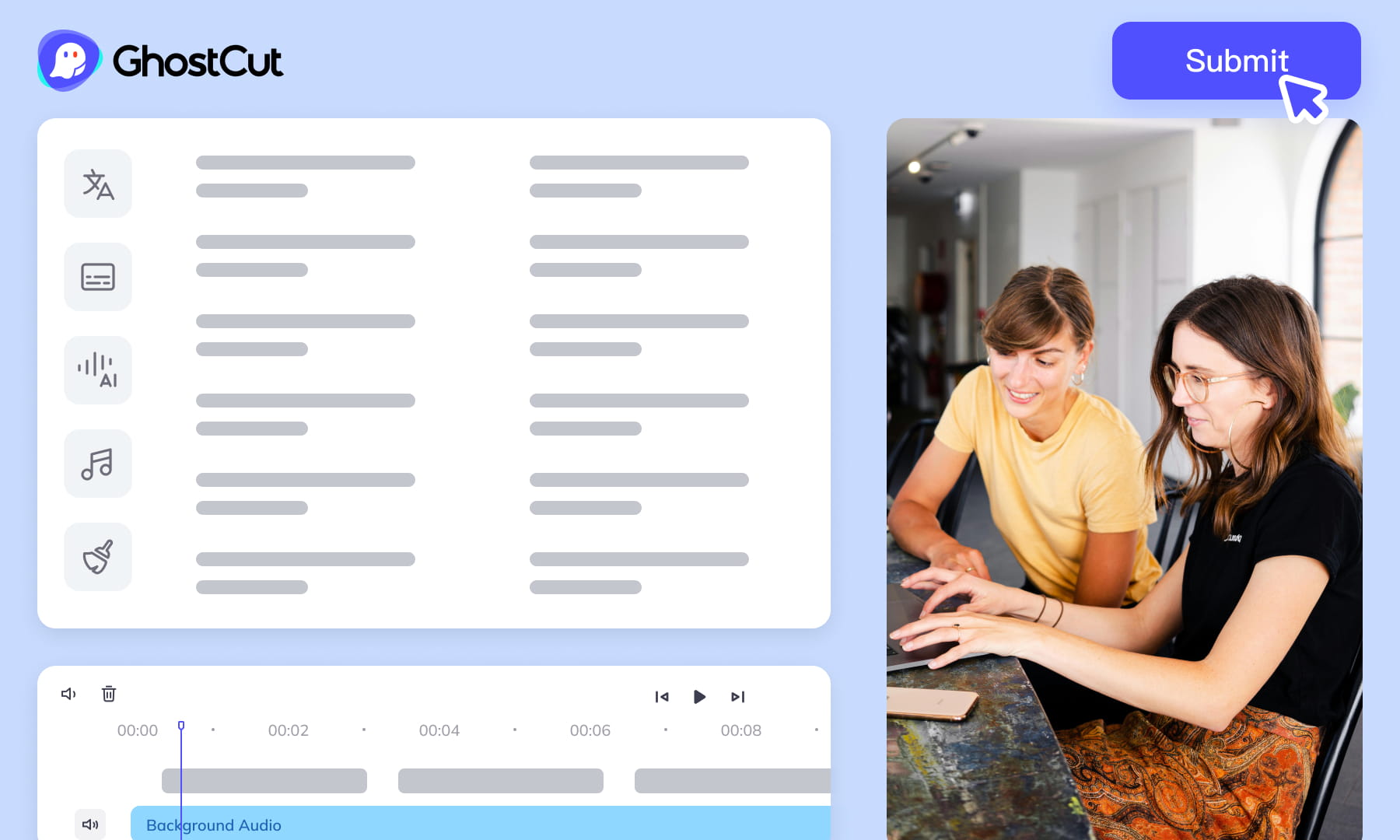
Review subtitle timing and any dubbed audio before delivery. Check the video and project export options available for the selected workflow, including Jianying/CapCut where offered.
Meeting All-Scenario, Multilingual Video Subtitle Generation Needs.

Content Creators: Boost Appeal & Widen Reach
Short Drama Production: Powering Efficient Production & Market Expansion

E-commerce: Review Product Captions and Calls to Action

Animation & Film Entertainment: Accelerate Global Simultaneous Releases

Gaming Industry: Enhance Local Experience & Global Launch Efficiency

Multinational Corporate Communications & Training: Ensure Accurate Information Delivery

News Media & Broadcasting: Improve Timeliness & Public Coverage

Market Research & User Insights: Efficiently Analyze Qualitative Data
Video Tutorial
Frequently Asked Questions
Where can I check pricing and available trial credits?
Check the current Pricing page and your account balance before submitting a task. Available trial credits, paid options, and the cost shown for your selected workflow should guide your decision. Review the task settings and displayed estimate before confirming; this guide does not promise a fixed free allowance or a specific price.How should German compounds be split across subtitle lines?
Keep German compounds intact whenever possible, because splitting them can slow reading and make a word appear incomplete. If a break is unavoidable, place it at a natural phrase boundary instead of between tightly connected word parts. Review the surrounding sentence and rendered layout together, since a grammatically sound caption may still wrap awkwardly on screen.How can OCR handle German text already visible in video?
Use OCR for German words already rendered in signs, labels, captions, or other visual elements. It does not replace recognition of spoken dialogue, so compare detected screen text with the audio when both sources appear. Check umlauts, capitalization, names, and punctuation carefully, especially when decorative fonts, motion, or low contrast makes letters difficult to distinguish.How should German speech recognition handle long sentences?
For spoken German, compare the recognized sentence with the audio before adjusting its subtitle layout. Long clauses can produce dense captions, while German compounds may make an already lengthy line harder to read. Correct missing words and punctuation first, then divide the sentence at a natural grammatical boundary without separating a compound or closely linked phrase.Do I need professional video editing experience?
Start by choosing a video and the appropriate subtitle workflow. You do not need to prepare a full editing project, but you should review recognized wording, names, timing, and line breaks before publishing. Specialized dialogue may need a knowledgeable reviewer, especially when a small transcription error changes the meaning.How do German umlauts affect subtitle review?
Inspect German umlauts rather than accepting visually similar unaccented substitutions. A missing umlaut can change a word or make a name look incorrect, while OCR and speech recognition may produce different errors. Compare the caption with the audio, visible source text, and surrounding grammar, then keep the corrected spelling consistent wherever the term reappears.When should German subtitles be hardcoded or external?
Choose hardcoded subtitles when the German wording must remain visible in the video image. Use external subtitles when a separate track should remain available for later text or timing changes. With either choice, check compound-word breaks, punctuation, and placement in the actual result, because a correct subtitle file can still look crowded or poorly positioned after rendering.How should German subtitle timing follow sentence structure?
Align German captions with complete thoughts where possible, rather than cutting a line at an arbitrary word. Check starts and ends around pauses, interruptions, and speaker changes, then ensure longer compounds do not force a late or early break. Replay the passage after edits to confirm that each caption remains readable and connected to the intended speech.How can German noun capitalization be corrected?
Review capitalization because German nouns are normally written with initial capitals, including common nouns that may look ordinary in context. Recognition can produce a plausible lowercase form, especially in fast speech or dense sentences. Compare uncertain words with the audio and surrounding grammar, then apply the corrected capitalization consistently to repeated nouns, names, and specialist terms.How should German subtitle results be reviewed before download?
Before downloading, review representative German scenes rather than only scanning the subtitle text. Check compound words, umlauts, noun capitalization, line breaks, timing, names, and placement against the video and audio. Include scenes with fast speech, visible text, and long sentences, because these reveal different recognition and layout problems that a single quiet sample may not show.What should I check before uploading private or licensed footage?
Use footage you are entitled to process and check the current privacy policy and service terms before uploading sensitive material. For client projects, confirm that the agreed handling of faces, voices, personal details, and licensed media permits this workflow. Ask support about any specific retention or processing requirement rather than assuming a promise from this guide.