
Generate Accurate Subtitles for Arabic Videos
Generate subtitle drafts for Arabic videos using speech recognition or visible text extraction. Review wording and timing before delivery.
≤1GB, ≤15min (mp4、avi、mov、mkv、mpg)
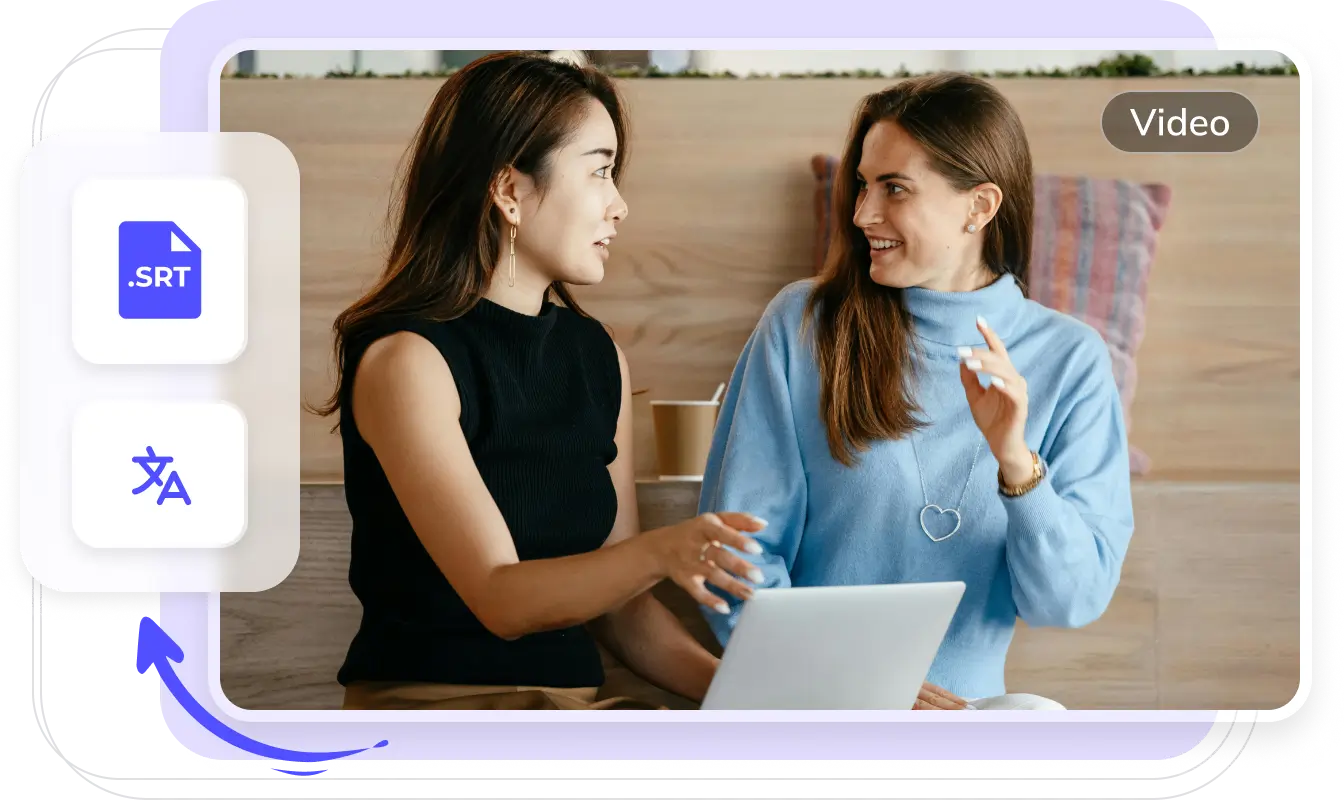
English subtitle workflow
A focused workflow for Arabic subtitle generation
Build a clean subtitle track for Arabic video content with a workflow tuned to the way this content is produced, reviewed, and delivered.
- Prepare Arabic footage and keep the original speech context visible
- Generate a timed subtitle track and review names, terms, and line breaks
- Export an editable subtitle file for localization or publishing workflows
How to Create Accurate Arabic Video Subtitles with AI?
Generate accurate AI subtitles in 3 easy steps with Weydub
Upload Video
- Select and batch upload Arabic videos from your device.
- Or, paste video links from social media.

Choose Generation Settings
- Specify the video's original language and generation mode (via ASR or OCR).
- Check translation and calibration options and their displayed cost before submission.
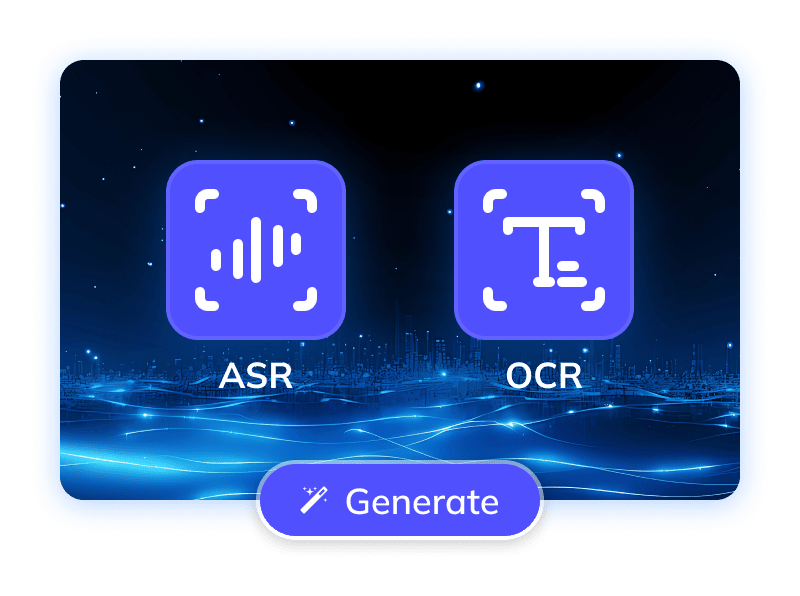
Process & Download
- Auto generate subtitles with precise timestamps for your Arabic videos.
- Once done, batch download original/translated SRTs, edit online, or use AI dubbing.

Arabic Video Subtitles
The digital age sees accelerated global video content spread and rising demand for accessible information across diverse viewing scenarios. For creators targeting hundreds of millions of global Arabic speakers, or those seeking to promote Arabic cultural content worldwide, high-quality Arabic video subtitle generation is crucial for their content's wide dissemination. Accurate Arabic subtitles not only ensure precise information delivery across diverse dialects and contexts, but also effectively boost video reach, user engagement, and search rankings on major platforms. Therefore, professional Arabic video subtitle generation and integration services are becoming an urgent need to bridge cultures, expand market boundaries, and enable quality content to reach a global audience seamlessly
Major Challenges in Generating High-Accuracy Subtitles for Arabic Videos
Generating accurate Arabic video subtitles presents significant hurdles, primarily due to the language's unique characteristics and complex speech recognition demands. Automatic Speech Recognition (ASR) struggles with the vast differences between numerous Arabic dialects (e.g., Egyptian, Levantine, Gulf) and Modern Standard Arabic (MSA), further compounded by widespread diglossia. Complex Arabic phonetics, including guttural, trilled, and emphatic sounds, alongside variable speech rates and coarticulation, severely impede accurate recognition. Moreover, Arabic's unique right-to-left script, contextual letter forms, easily confusable word shapes, and specific punctuation rules impose stringent requirements on text transcription and display. The decision to add diacritics (harakat) for disambiguation in subtitles also presents a trade-off. These combined complexities in speech recognition, linguistic understanding, and visual presentation create formidable technical barriers for Arabic subtitle generation. Effective solutions must integrate highly accurate speech recognition, precise text processing, and visually appropriate layout output
Trusted by 2,000,000+ Creators and Businesses














Overcoming Challenges Generate Arabic Video Subtitles Accurately with AI
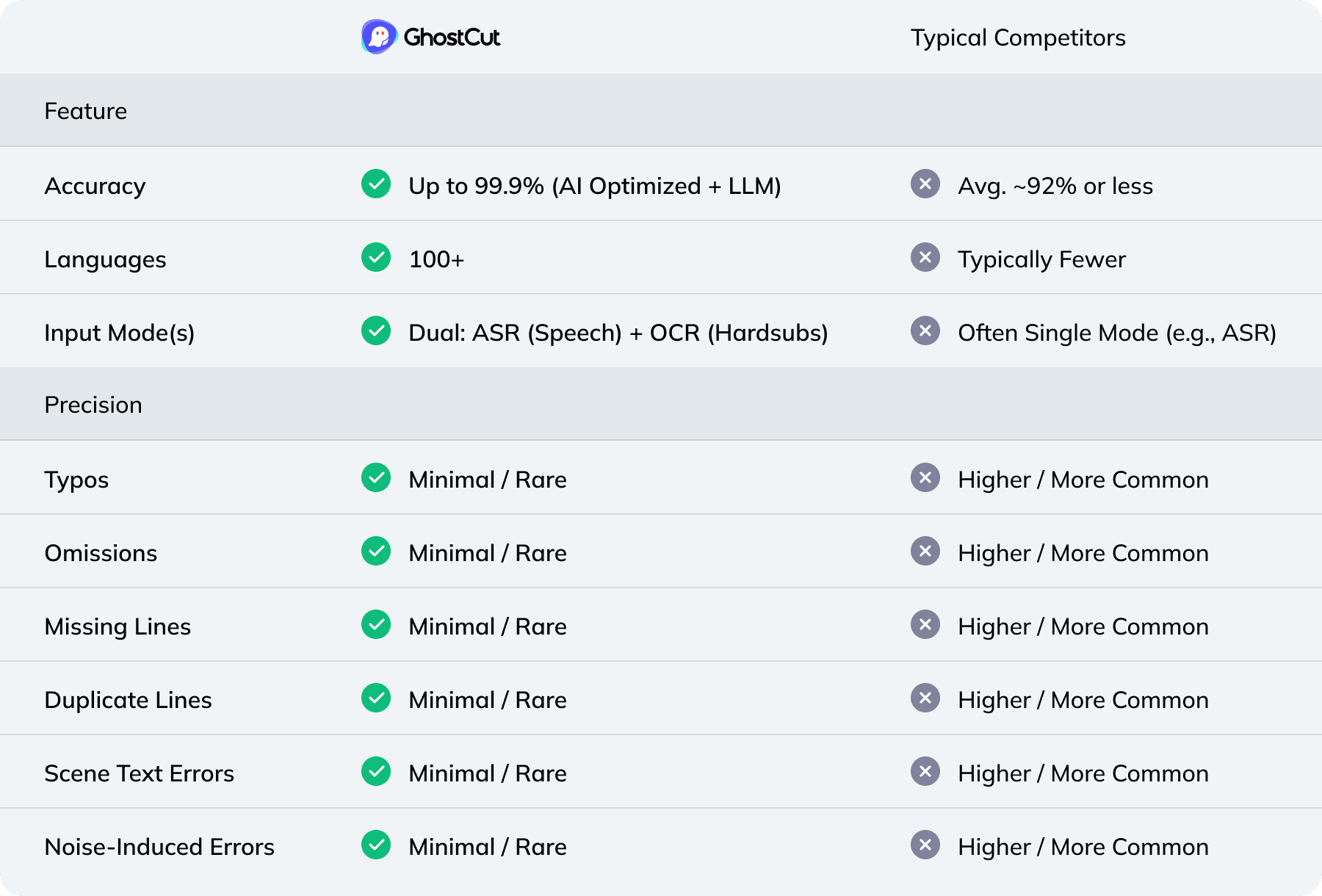
To maximize accuracy in Arabic video subtitle generation and ensure a smooth user experience, Weydub's subtitle feature is meticulously optimized, integrating multiple AI technologies.
Speech Recognition and Visible Subtitle Extraction
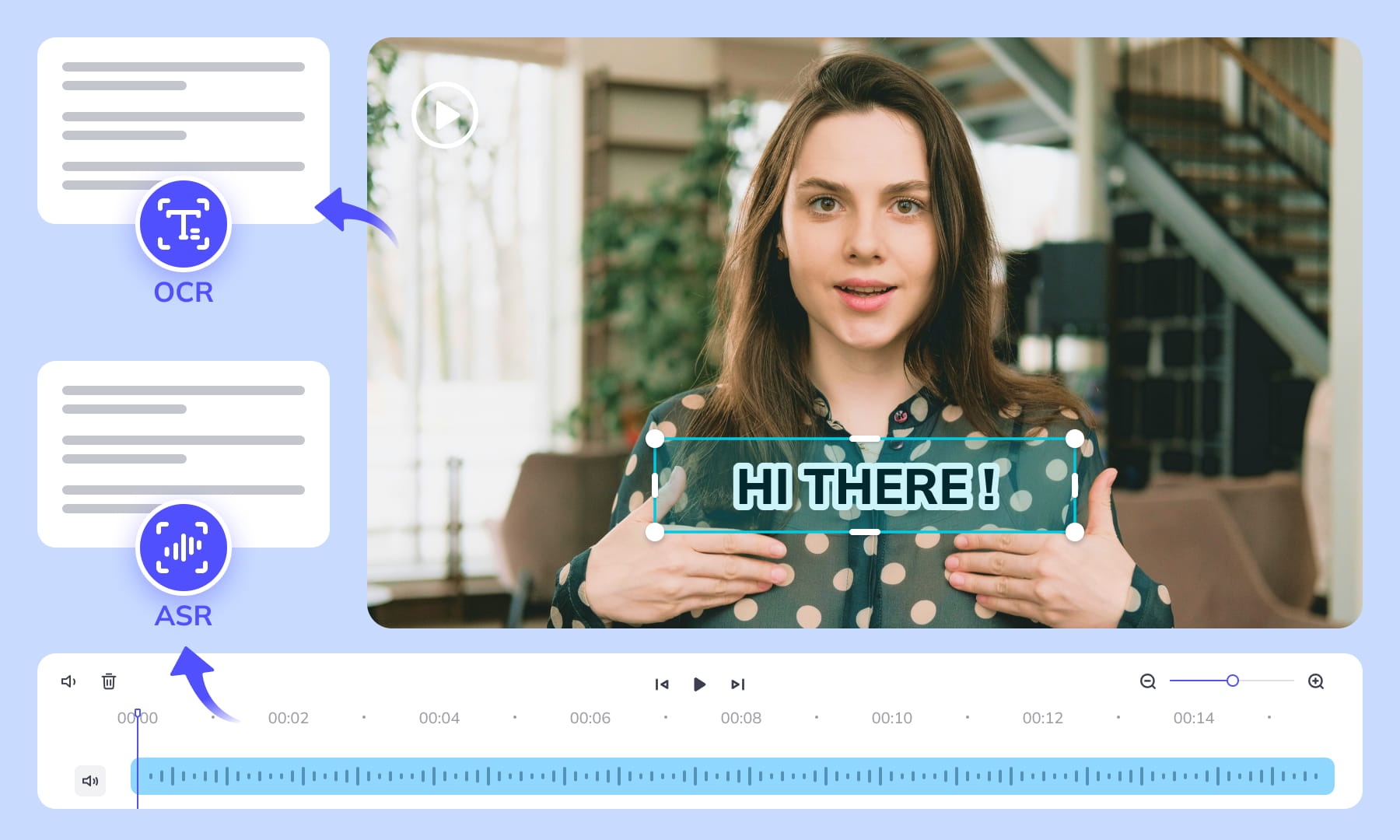
Choose ASR to transcribe speech or OCR to extract visible subtitles from Arabic videos. Select the mode that matches the source, then review the generated text and timing.
Generate subtitles now

Speaker Labels and Dialogue Review
For Arabic interviews and dialogue, review speaker labels alongside the transcript. Check overlapping speech and speaker changes before handing subtitles to an editor or dubbing workflow.
Generate subtitles nowReview Speech Against Background Noise
Background music and other noise can affect Arabic speech recognition. Compare the generated transcript with the original audio and correct words that are obscured or unclear.
Generate subtitles now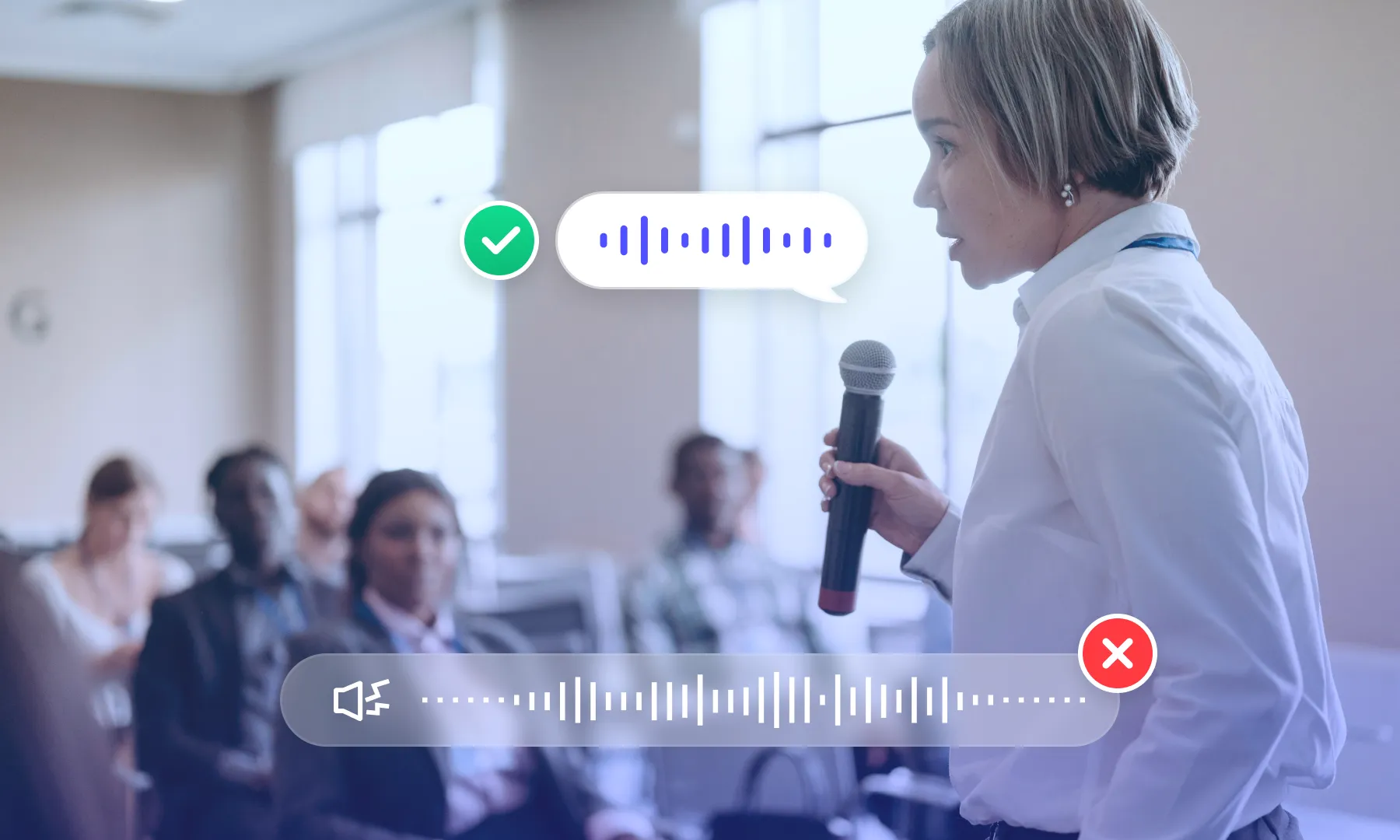
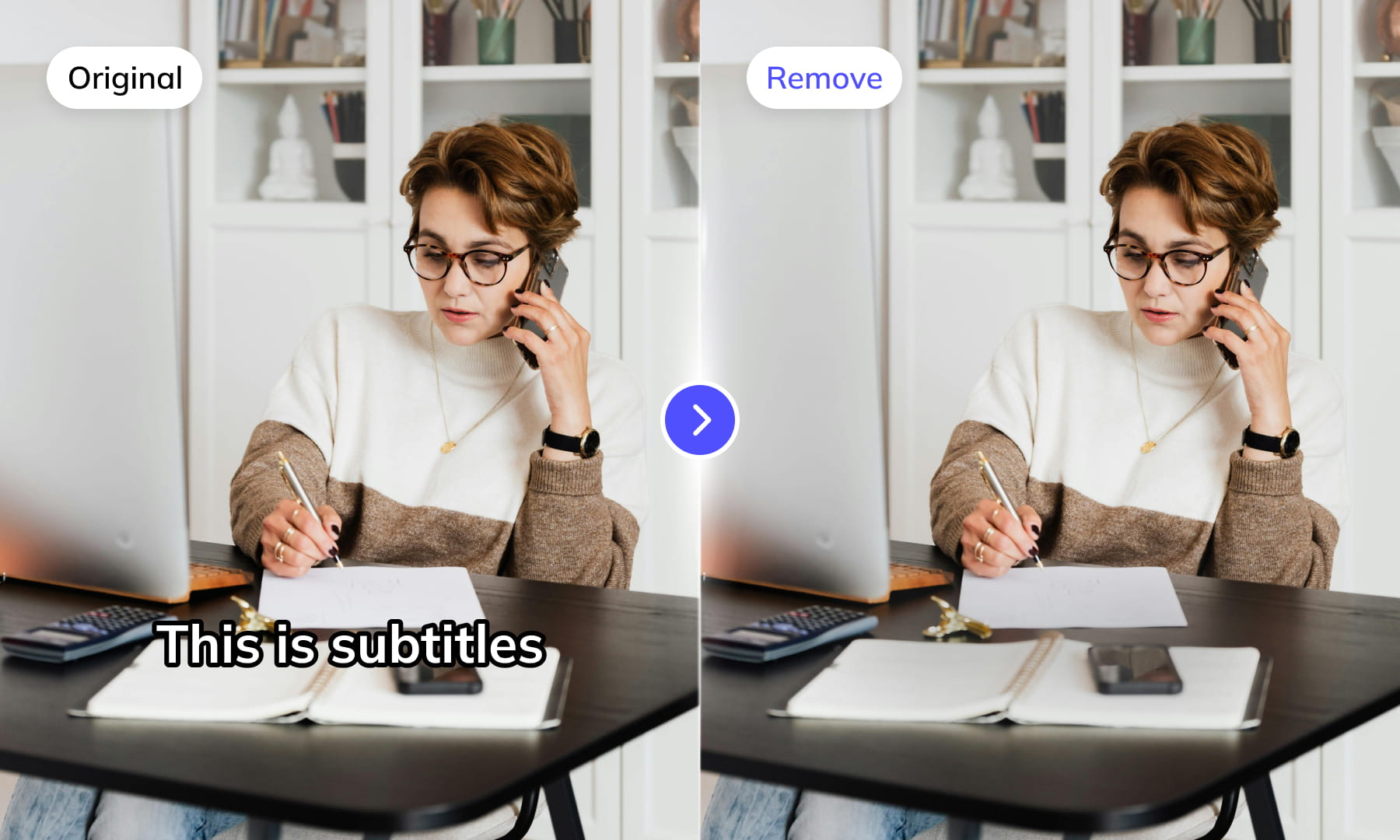
Subtitle Region Selection
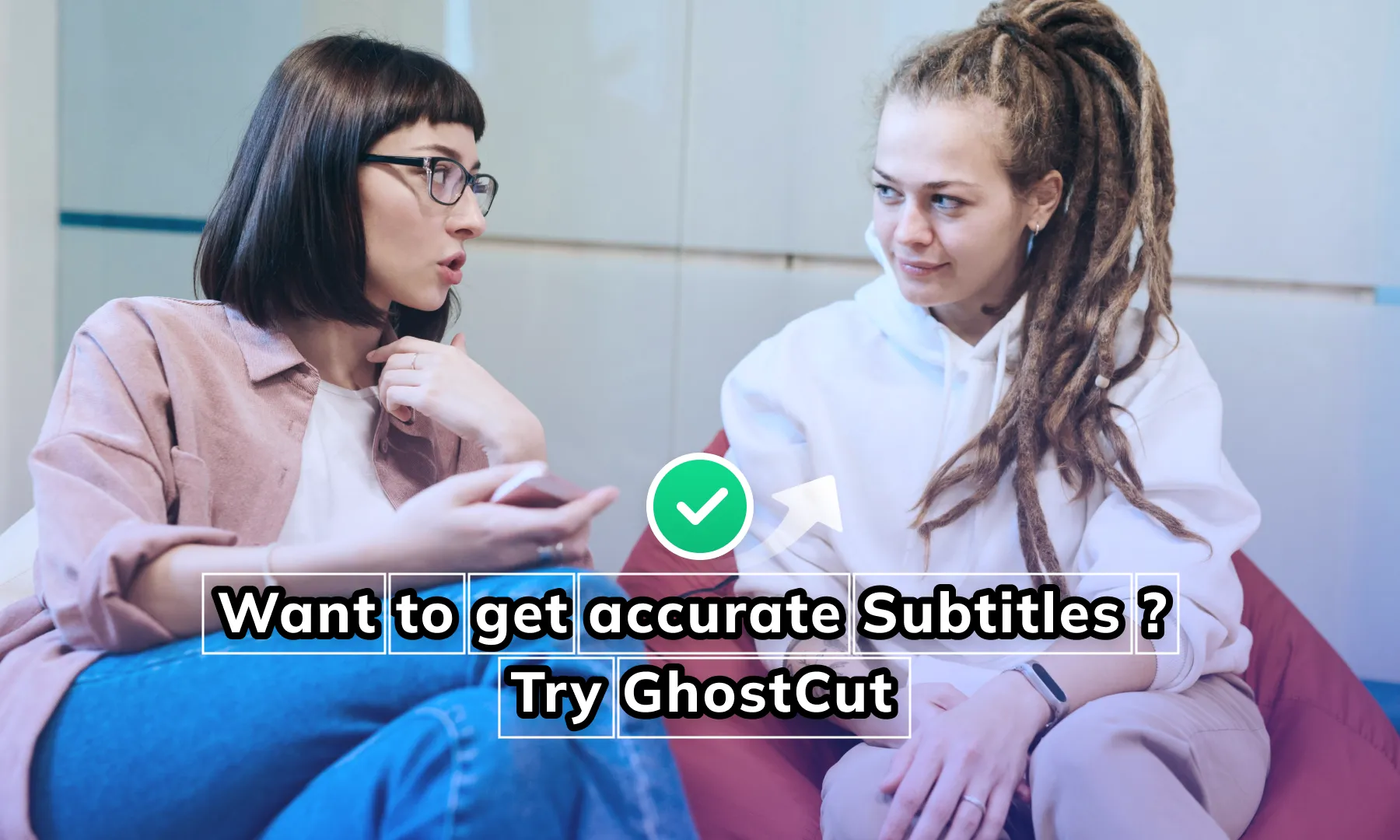
Select the subtitle area in the Arabic video, then check the extracted text for product labels or other scene text that should not be included. Adjust the selection when captions move or overlap other content.
Generate subtitles nowMulti-line Subtitle Review
Review multi-line Arabic captions as complete subtitle entries. Check that line grouping preserves reading order and that text from neighboring overlays has not been merged into the same cue.
Generate subtitles now
Contextual Subtitle Calibration
Use calibration to review a subtitle draft in context. Compare names, terminology, and ambiguous wording against the source; automated suggestions still require review before publication.
Generate subtitles nowCompare Recognition Modes and Review Options
Weydub: Your one-stop video localization workbench
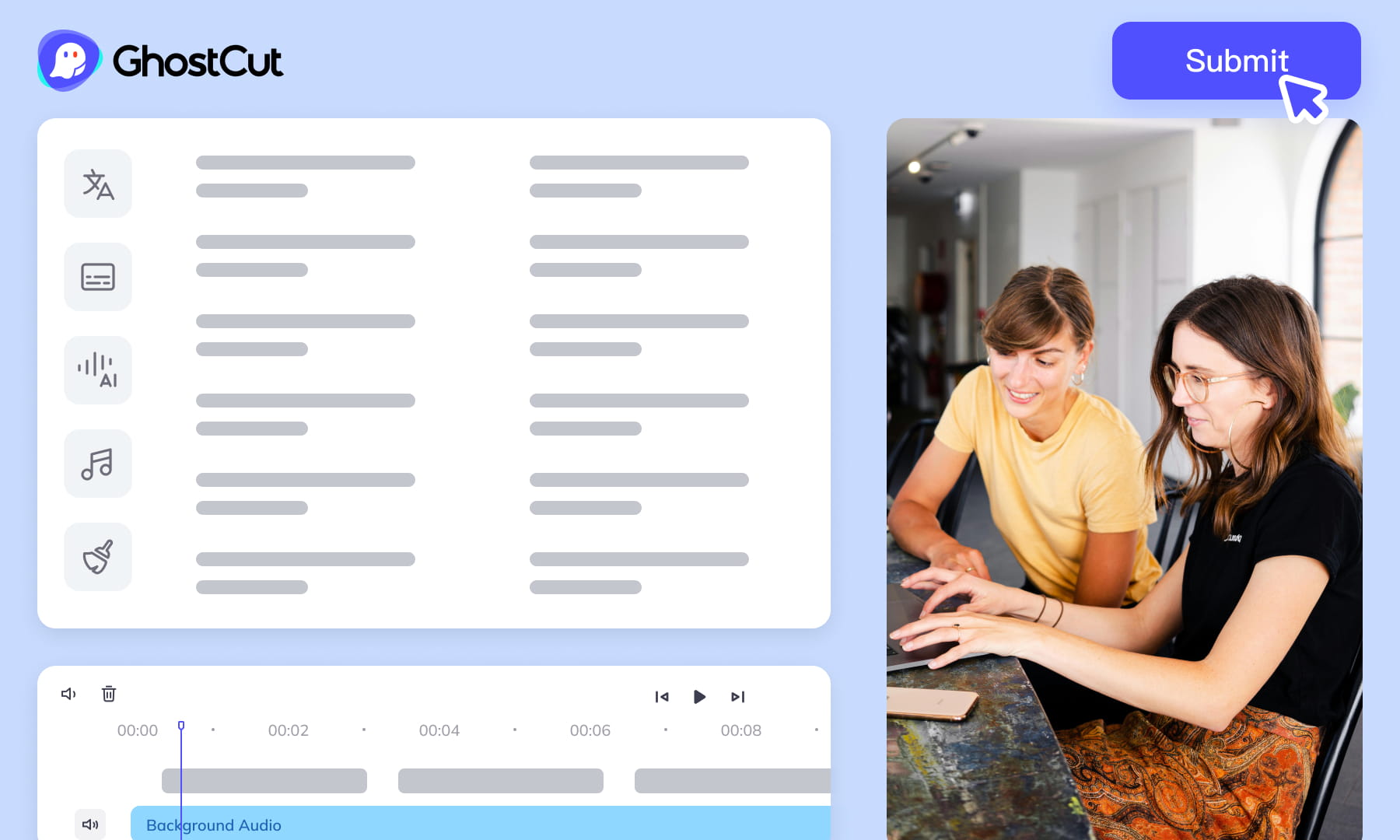
Prepare subtitles, review translations, and coordinate video localization in one workspace. Choose the tools needed for each source video and check the output before moving to the next step.
Project Management & Batch Processing
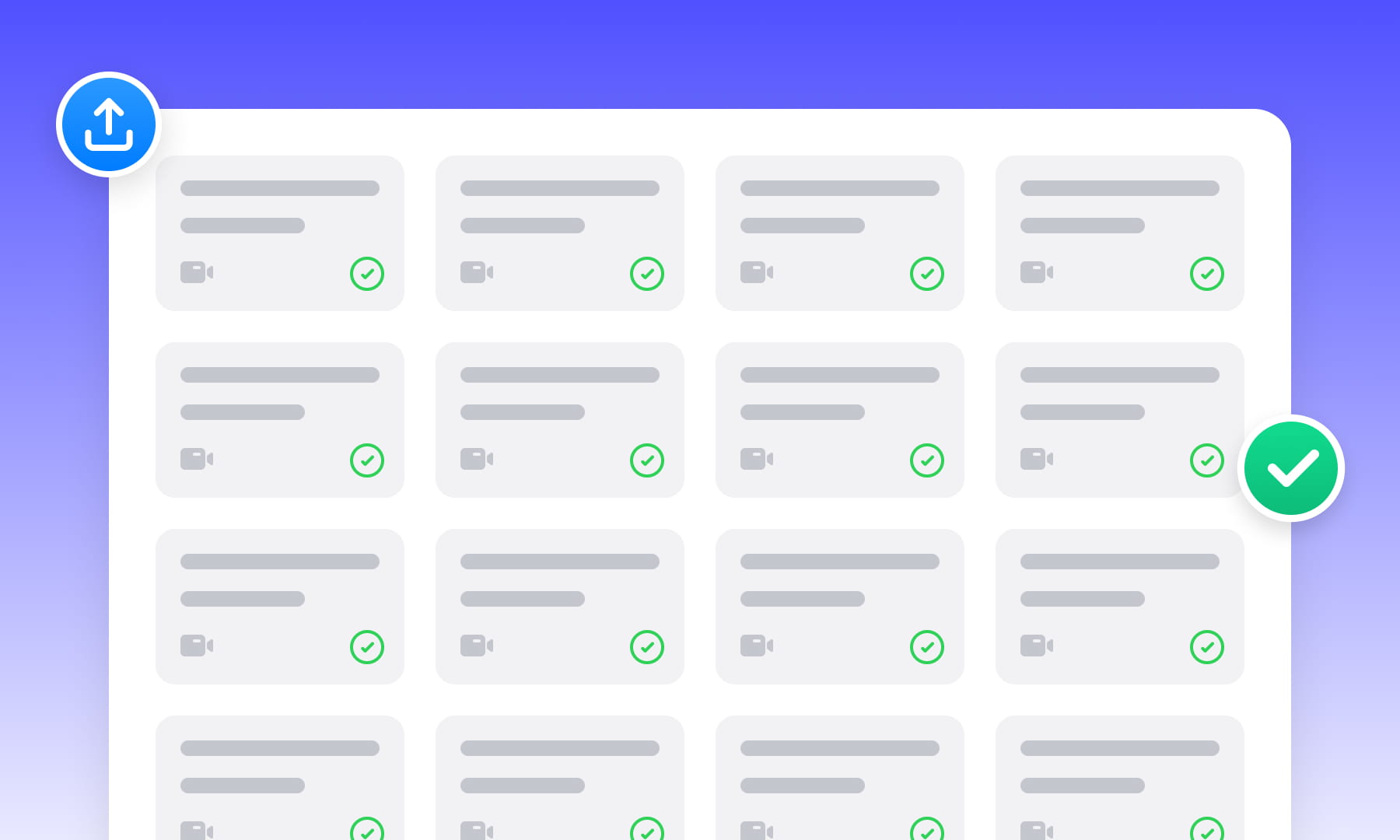
Organize source assets and use batch workflows for related videos. Check task limits, settings, and results for each file before delivery.
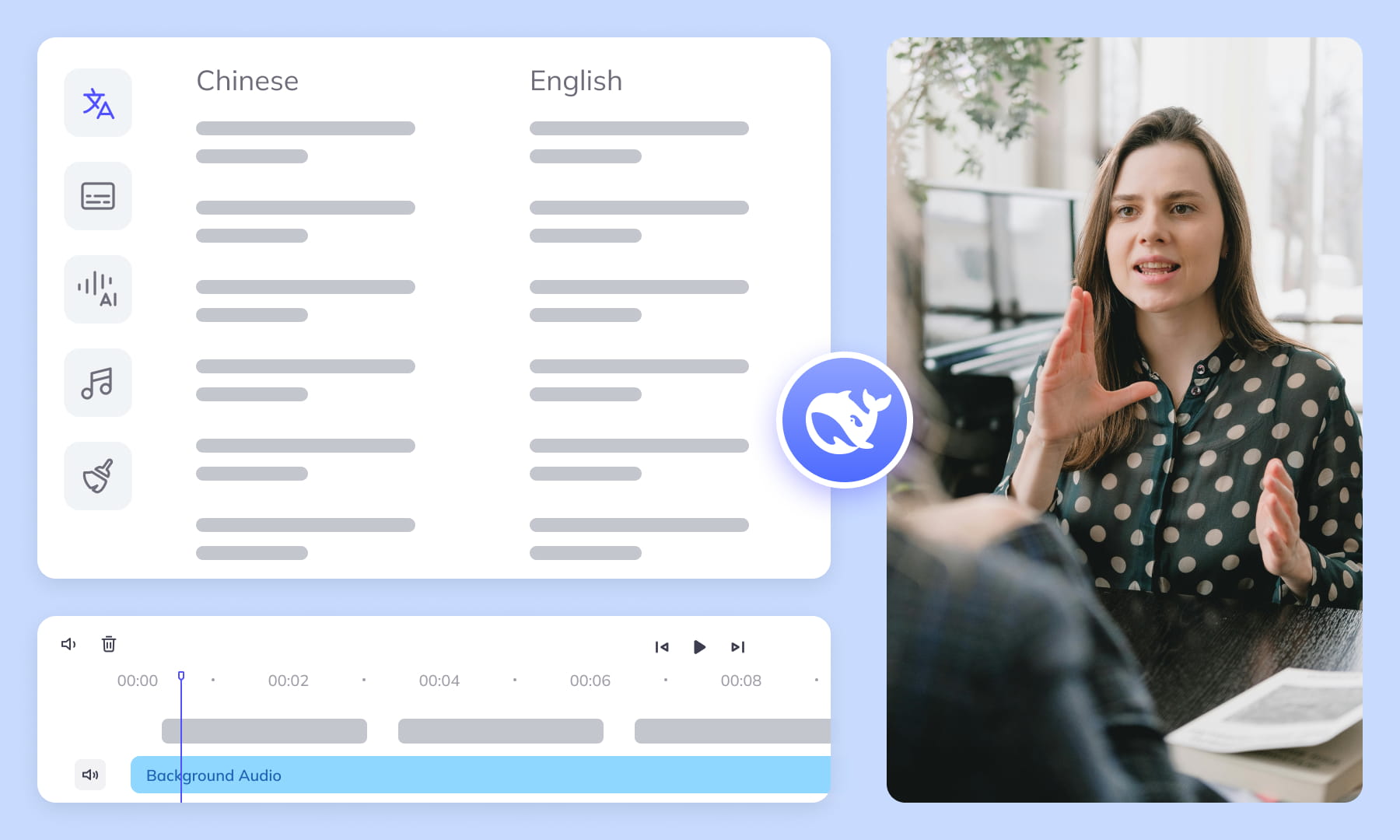

Automated Editing & Export
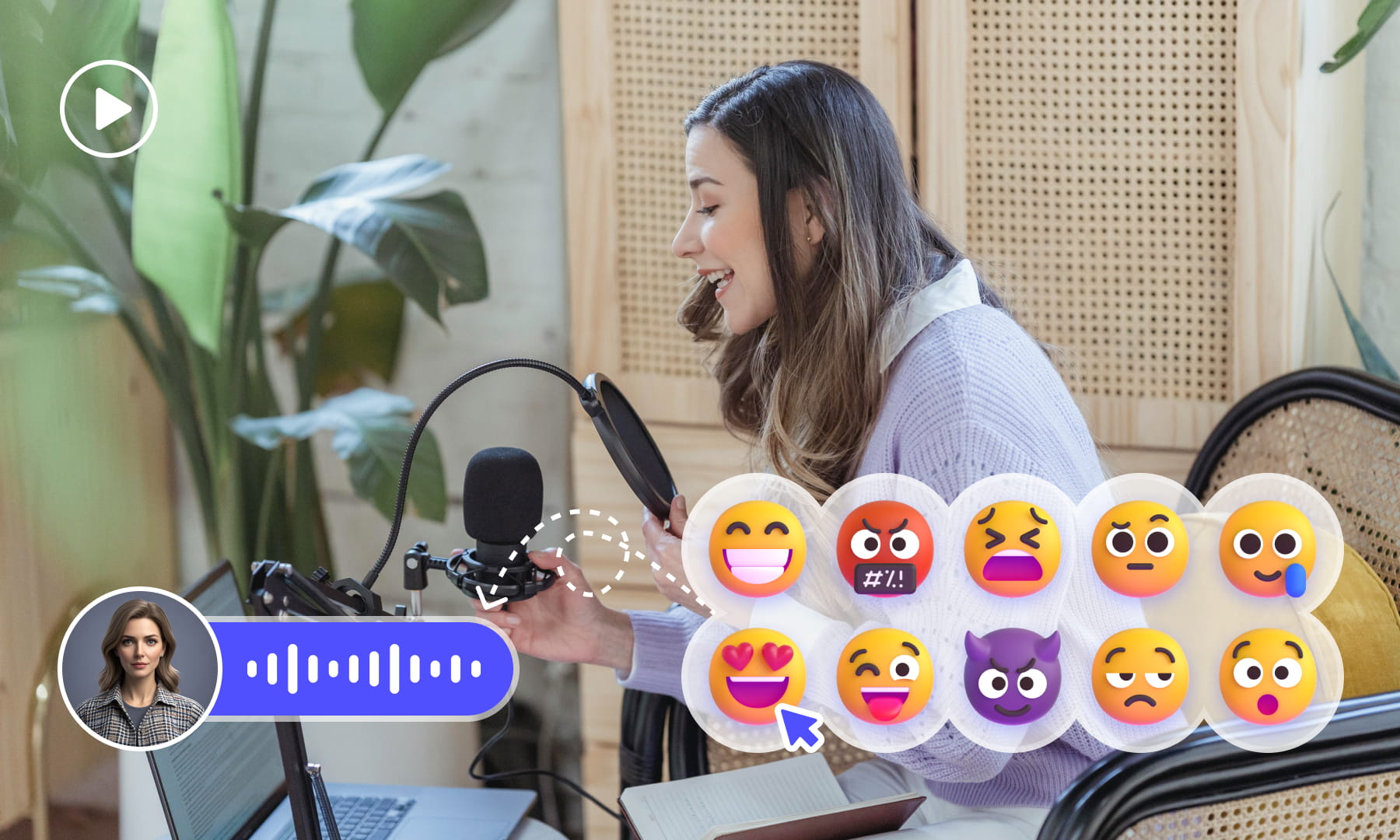
Auto-render and sync video, subtitles, AI dubs, and music. Ensures precise A/V alignment. Export project files compatible with professional NLEs (like Jianying/CapCut).
Meeting All-Scenario, Multilingual Video Subtitle Generation Needs.

Content Creators: Boost Appeal & Widen Reach
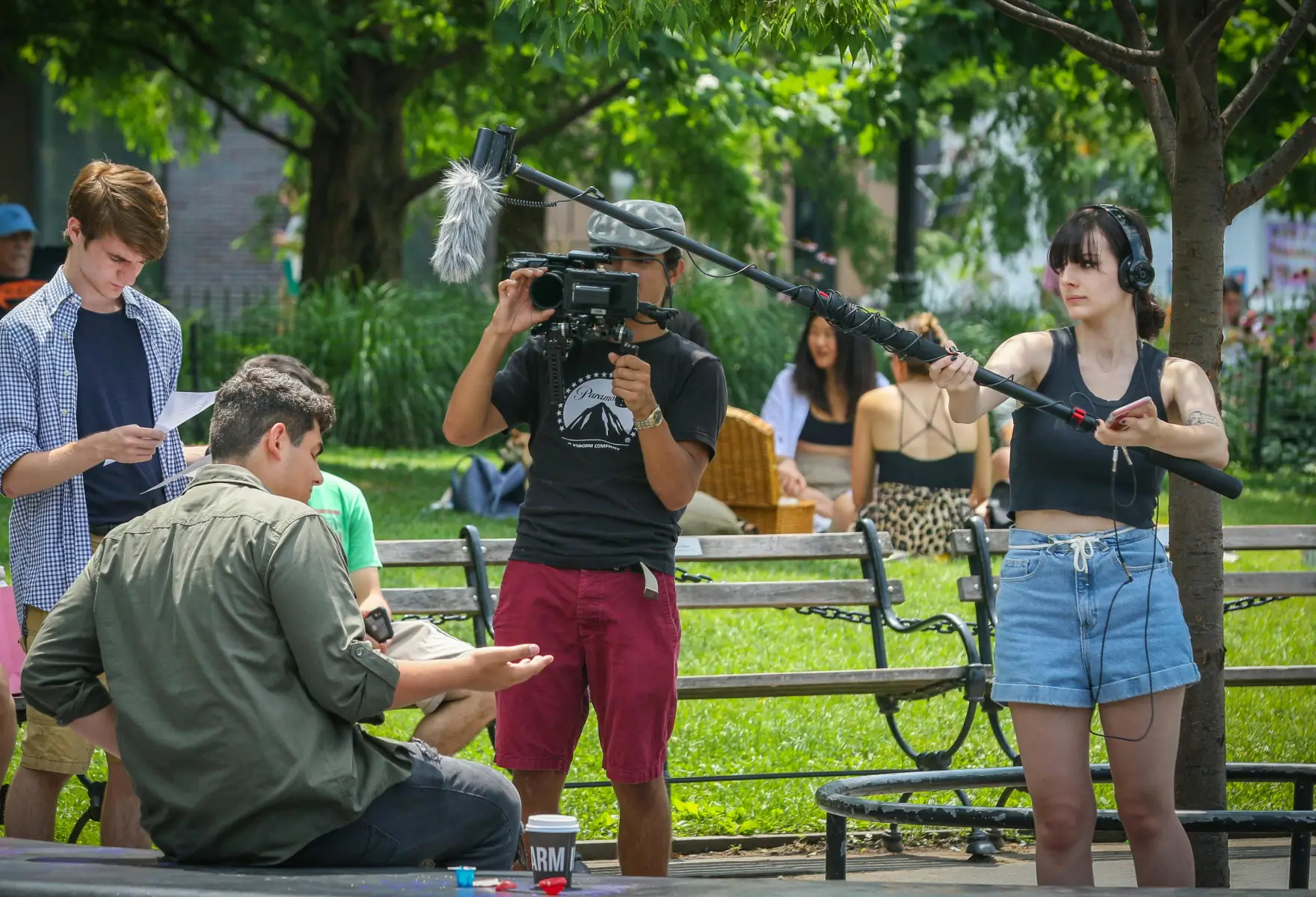
Short Drama Production: Powering Efficient Production & Market Expansion

E-commerce: Drive Engagement & Boost Sales Conversions

Animation & Film Entertainment: Accelerate Global Simultaneous Releases

Gaming Industry: Enhance Local Experience & Global Launch Efficiency

Multinational Corporate Communications & Training: Ensure Accurate Information Delivery

News Media & Broadcasting: Improve Timeliness & Public Coverage

Market Research & User Insights: Efficiently Analyze Qualitative Data
Video Tutorial
Frequently Asked Questions
Where can I check pricing and available trial credits?
Check the current Pricing page and your account balance before submitting a task. Available trial credits, paid options, and the cost shown for your selected workflow should guide your decision. Review the task settings and displayed estimate before confirming; this guide does not promise a fixed free allowance or a specific price.Should Arabic speech use OCR or speech recognition?
Use speech recognition when the Arabic words are spoken in the audio. Use OCR when Arabic text is already visible inside the video frames, such as captions, signs, or titles. A video can contain both, so identify each source separately and review the generated text against the audio and on-screen writing.How should right-to-left Arabic subtitles be checked?
Confirm that each Arabic subtitle displays in right-to-left order and that punctuation, numbers, and embedded Latin words appear in the intended position. These mixed-direction elements can change visual order unexpectedly. Review complete subtitle lines in the video rather than checking isolated words, because surrounding text affects readability and direction.Can connected Arabic letters break during subtitle editing?
Arabic letters change shape according to their position within a word. After editing, inspect connected letterforms for unwanted gaps, detached characters, or substitutions caused by an unsuitable font or copied text. Check the rendered subtitle in context, since a correct underlying string may still display poorly when font support or direction settings are wrong.Do I need professional video editing experience?
Start by choosing a video and the appropriate subtitle workflow. You do not need to prepare a full editing project, but you should review recognized wording, names, timing, and line breaks before publishing. Specialized dialogue may need a knowledgeable reviewer, especially when a small transcription error changes the meaning.How should Arabic subtitle line breaks be placed?
Place line breaks at natural phrase boundaries and avoid separating closely connected words. In Arabic, breaking a line around short particles, prepositions, or linked noun phrases can make reading harder. Preview the full right-to-left layout, keep each caption visually balanced, and revise breaks that create isolated fragments or confusing punctuation placement.How do hardcoded and external Arabic subtitles differ?
Hardcoded subtitles are visible text embedded in the video image, so OCR is relevant when extracting or examining them. External subtitles are separate timed text tracks that can be reviewed and edited without reading pixels. Determine which form you have before starting, because the recognition method, correction workflow, and final delivery checks differ.How can Arabic subtitle timing match spoken phrases?
Align each subtitle with the start and end of the corresponding spoken phrase, then watch transitions around pauses and speaker changes. Arabic sentence structure may place key meaning later in a phrase, so avoid cutting a caption before the thought is clear. Review timing together with line breaks instead of treating them as separate tasks.How should Arabic names and terminology be reviewed?
Compare names, technical terms, dialect words, and borrowed expressions with the audio and any approved reference material. Speech recognition may choose a familiar spelling that is wrong for the subject, while OCR may confuse visually similar Arabic letters. Keep terminology consistent across captions and check repeated names wherever they appear before delivery.What should be checked before exporting Arabic subtitles?
Review the complete video for text accuracy, timing, right-to-left display, connected letters, punctuation, and line breaks. Confirm that subtitles remain inside subtitle safe areas and do not cover essential on-screen text. Also verify names and repeated terminology in context, then download the output only after the rendered captions remain readable across scene changes.What should I check before uploading private or licensed footage?
Use footage you are entitled to process and check the current privacy policy and service terms before uploading sensitive material. For client projects, confirm that the agreed handling of faces, voices, personal details, and licensed media permits this workflow. Ask support about any specific retention or processing requirement rather than assuming a promise from this guide.